- What Sparked the Controversy?
- Social Media Backlash and Public Reaction
- Peyush Bansal Responds
- Did the Policy Exist Earlier?
- Balancing Brand Identity and Cultural Expression
- Lenskart’s Growth and Market Position
- Workplace Policies in the Spotlight
- Lessons from the Controversy
- Conclusion: Moving Forward with Clarity
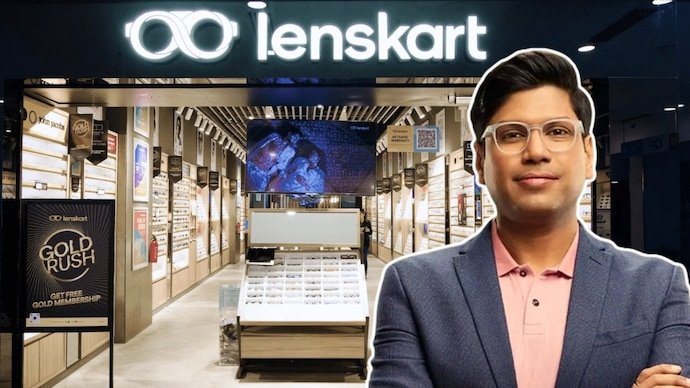
Lenskart recently found itself at the center of a public controversy after an alleged internal dress code document surfaced online, suggesting restrictions on wearing bindi, tilak, and kalawa, while allowing hijab under certain conditions. The issue gained traction on Social Media, prompting questions about workplace inclusivity and religious expression. Responding to the backlash, Lenskart founder and CEO Peyush Bansal clarified that the document was outdated and did not reflect the company’s current policies. The controversy has raised broader discussions about corporate dress codes, evolving workplace norms, and the balance between brand identity and cultural diversity.
What Sparked the Controversy?
The debate began when a document, claimed to be Lenskart’s internal grooming guide, was widely circulated online. The document outlined specific rules regarding employee appearance, particularly in retail environments.
Several points from the document drew criticism:
- Bindi: Not allowed at the workplace
- Tilak and kalawa: Religious threads and markings discouraged or prohibited
- Sindoor: Allowed with restrictions on visibility
- Hijab: Permitted with guidelines on color and style
This apparent inconsistency triggered a wave of reactions, with many questioning whether the policy unfairly targeted certain religious expressions.
Social Media Backlash and Public Reaction
The issue quickly escalated on platforms like X (formerly Twitter), where users, activists, and public figures voiced their concerns. Critics argued that allowing one form of religious expression while restricting others could be seen as discriminatory.
The controversy also sparked wider conversations about workplace inclusivity and whether companies should regulate cultural or religious symbols at all.
For many, the issue wasn’t just about dress code—it was about identity and fairness.
Peyush Bansal Responds
Amid growing criticism, Peyush Bansal issued a public clarification, stating that the circulated document was not reflective of Lenskart’s current policies.
“I want to speak directly that this document does not reflect our present guidelines… Our grooming policy has evolved over the years and outdated versions do not represent who we are today.”
He also apologized for the confusion and emphasized that the company does not impose restrictions on religious expression.
“We impose no restrictions on any form of religious expression, including bindi and tilak.”
This response aimed to address concerns while reinforcing the company’s commitment to inclusivity.
Did the Policy Exist Earlier?
While the CEO described the document as outdated, his statement suggested that such guidelines may have existed in the past. Like many growing organizations, Lenskart appears to have updated its internal policies over time.
This is not uncommon, especially for companies operating in customer-facing sectors where brand presentation is often emphasized.
However, the incident highlights how older policies can resurface and create reputational challenges if not clearly communicated.
Balancing Brand Identity and Cultural Expression
Retail companies often implement grooming standards to maintain a consistent brand image. These guidelines can include dress codes, appearance standards, and uniform requirements.
However, in a diverse country like India, such policies must carefully balance professionalism with cultural sensitivity.
Key Considerations for Companies
- Inclusivity: Respect for diverse religious and cultural practices
- Consistency: Uniform rules applied fairly across all groups
- Clarity: Clear communication of current policies
- Flexibility: Ability to adapt policies over time
Getting this balance right is easier said than done—but essential in today’s workplace.
Lenskart’s Growth and Market Position
Despite the controversy, Lenskart remains a major player in the eyewear industry. The company has built its reputation on affordability and innovation by Manufacturing its own products and reducing reliance on intermediaries.
Since achieving unicorn status in 2019, Lenskart has continued to expand rapidly and is reportedly preparing for a public listing.
| Metric | Performance |
|---|---|
| Valuation | Approximately $5.6 billion |
| Revenue Growth | 38.8% increase |
| Profit Growth | Significant rise year-on-year |
| Market Position | Leading eyewear retailer in India |
The company’s strong financial performance indicates that it continues to grow despite occasional public relations challenges.
Workplace Policies in the Spotlight
This incident is part of a broader trend where corporate policies are increasingly scrutinized in the public domain. Social media has made it easier for internal documents to surface and for public opinion to form quickly.
As a result, companies are under greater pressure to ensure that their policies are not only fair but also perceived as fair.
Transparency and timely communication have become critical in managing such situations.
Lessons from the Controversy
The Lenskart dress code row offers several takeaways for businesses:
- Keep policies updated: Outdated documents can create confusion
- Communicate clearly: Ensure employees and the public understand current guidelines
- Be culturally aware: Policies should reflect the diversity of the workforce
- Respond quickly: Timely clarification can prevent escalation
In today’s connected world, even internal guidelines can become headline news overnight.
Conclusion: Moving Forward with Clarity
The controversy surrounding Lenskart’s alleged dress code highlights the complexities of managing workplace policies in a diverse and highly connected society. While the company has clarified that it does not restrict religious expression, the incident underscores the importance of clear and up-to-date communication.
As businesses continue to grow and evolve, their policies must keep pace—not just in practice, but also in perception. For Lenskart, the focus now shifts to reinforcing trust and ensuring that its values align with its public image.
Looking ahead, such incidents may become more common, but they also present an opportunity for companies to demonstrate transparency, inclusivity, and responsiveness in an increasingly aware and engaged world.
For breaking news and live news updates, like us on Facebook or follow us on Twitter and Instagram. Read more on Latest India on thefoxdaily.com.






COMMENTS 0