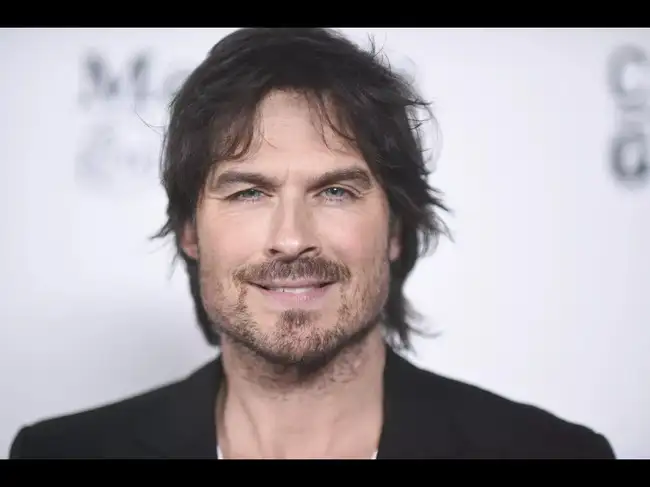
All About Ian Somerhalder: From Hollywood to Environmental Advocacy
Ian Somerhalder was born on December 8, 1978, in Covington, Louisiana. He grew up in the southeastern part of the state, surrounded by wetlands, marshes and bayous that helped shape his interest in the natural environment.
He became internationally recognised through television roles, particularly Boone Carlyle in Lost and Damon Salvatore in The Vampire Diaries. However, his interests gradually expanded beyond acting, with environmental protection and Sustainable Agriculture becoming major parts of his public work.
Somerhalder has described growing up around delicate ecosystems and learning how human activities can disturb the balance of nature. His family background also exposed him to different approaches to agriculture. He has spoken about relatives who practised more nature-conscious farming alongside others involved in conventional agricultural operations.
These early experiences helped establish an interest that became more pronounced as his acting career developed. The 2010 Deepwater Horizon oil spill in the Gulf of Mexico was another important turning point. The environmental damage in his home region affected him deeply and encouraged him to become more involved in environmental awareness and conservation.
Rather than limiting his involvement to public statements, Somerhalder began participating in projects that documented environmental challenges and explored practical solutions. His work eventually included producing documentaries, supporting regenerative agriculture initiatives and developing businesses with sustainability-related goals.
The Zimbabwe Trip That Changed His Perspective
One of the most influential experiences in Somerhalder’s environmental journey was a trip to Zimbabwe, where he witnessed land-restoration work associated with ecologist and regenerative agriculture advocate Allan Savory.
Somerhalder travelled to Africa with a small film crew to document efforts to restore degraded landscapes. The experience gave him an opportunity to see how land-management practices could influence grasslands, vegetation and surrounding ecosystems.
He has recalled staying in military-style tents on Savory’s property while observing the restoration work. The trip involved challenging conditions, but it also gave him a closer understanding of the relationship between soil, plants, grazing animals and the wider environment.
The experience changed how he thought about agriculture. Instead of viewing farming only as a way to produce food, he began to see land management as a process that could either weaken ecosystems or help restore them.
Regenerative agriculture became a central theme in his environmental advocacy. The approach generally focuses on rebuilding soil health through practices such as maintaining ground cover, reducing unnecessary soil disturbance, diversifying crops and managing livestock grazing carefully.
These methods are not identical on every farm. Their application depends on local soil conditions, climate, water availability and the type of agricultural operation. The broader objective is to improve the ability of farmland to support productive ecosystems over time.
How Kiss the Ground Took Seven Years to Make
Somerhalder’s Zimbabwe experience became part of the foundation for Kiss the Ground, the environmental documentary released in 2020. He served as an executive producer and helped bring attention to the potential of regenerative agriculture.
In a 2020 interview, Somerhalder said the documentary had taken seven years to make. The long production period reflected the time spent documenting agricultural practices, exploring environmental challenges and presenting a complex subject in a format that could reach a broad audience.
The initial footage from Zimbabwe was filmed years before the documentary’s release. Somerhalder later explained that he had recorded the Africa material with Allan Savory approximately 13 years before discussing the film at the 2024 premiere of its follow-up, Common Ground.
The documentary was directed by Joshua Tickell and Rebecca Harrell Tickell. It examines the condition of agricultural soils and presents regenerative farming as one approach to addressing environmental problems connected to land degradation.
Narrated by Woody Harrelson, the film features farmers, scientists and environmental advocates discussing how farming practices affect soil structure, biodiversity, water systems and the movement of carbon through the environment.
Why Healthy Soil Matters
Soil is much more than the material in which crops grow. Healthy soil contains minerals, organic matter, microorganisms and other living components that support plant development and help regulate water movement.
When soil is repeatedly disturbed, left exposed or managed without sufficient attention to its biological condition, it can become more vulnerable to erosion and declining fertility. Degraded land may also struggle to retain water, making agricultural production more difficult under changing weather conditions.
Regenerative farming attempts to address these problems by improving the biological and physical condition of the soil. Practices can include planting cover crops between growing seasons, reducing tillage, rotating crops and using managed grazing systems.
Cover crops, for example, help protect the ground from direct exposure to wind and rain. Their roots can contribute organic matter and support soil structure. Crop rotation can also help diversify the biological activity in agricultural land and reduce dependence on a single production system.
Livestock management is another important part of some regenerative systems. Carefully planned grazing allows animals to feed in designated areas while giving other sections time to recover. The objective is to manage grazing pressure rather than allowing animals to repeatedly consume vegetation in the same locations.
The documentary presents these approaches as potential tools for restoring agricultural landscapes. However, regenerative agriculture is not a single universal formula, and results depend on how practices are adapted to local conditions. Farmers also need to consider costs, markets, labour and the time required for changes in soil health to become measurable.
From Kiss the Ground to Common Ground
Kiss the Ground was followed by Common Ground, another documentary directed by Joshua and Rebecca Tickell. Released in 2023, the follow-up continued exploring the relationship between agriculture, soil health, food production and environmental sustainability.
Somerhalder also served as an executive producer on the second film. During its promotion in 2024, he reflected on the long journey behind the original documentary and explained that the subject had been part of his life for many years.
The two films form part of a broader effort to make regenerative agriculture more familiar to audiences who may not have direct experience with farming. They also highlight the role of farmers, who make decisions about land management that can influence the condition of ecosystems over time.
For Somerhalder, the documentaries were not simply filmmaking projects. They reflected a growing commitment to environmental work that increasingly shaped his professional and personal priorities.
How Did the Nutro Partnership Start?
Somerhalder’s partnership with Nutro developed around a shared interest in healthy soil and the connection between agricultural practices and the ingredients used in pet food.
Nutro, a pet food brand, worked with the environmental organisation Kiss the Ground to promote awareness of regenerative agriculture. The collaboration introduced Tail of Two Farms, an animated short film narrated by Somerhalder.
Announced in November 2023, the film follows two animal characters, Sunny the cat and Arlo the dog, as they discover the importance of healthy soil and how it contributes to the natural ingredients used in food.
The project was designed to explain an agricultural subject through a story that could appeal to pet owners and families. Instead of presenting soil science as a technical lesson, the animated film used the experiences of its animal characters to connect everyday pet nutrition with the wider food-production system.
Somerhalder’s involvement was closely connected to his existing environmental work. He had spent years promoting the importance of soil restoration through Kiss the Ground and Common Ground, making the Nutro collaboration a continuation of a subject he was already actively supporting.
In an interview with EatingWell published in November 2023, Somerhalder described the partnership as consistent with his own approach to environmental responsibility. He said that understanding healthy animal nutrition also involved recognising the importance of protecting the soil from which food ingredients originate.
The collaboration also gave Nutro an opportunity to connect its pet food messaging with a wider agricultural initiative. Healthy soil supports the production of crops and other agricultural ingredients, making land management relevant to discussions about food systems beyond human consumption.
How the Nutro Campaign Raised $300,000 for Farmers
The partnership went beyond producing an animated film. Nutro connected the project to its 2024 Greater Ground Soil Growth Grants, an initiative intended to help selected growers implement healthy soil practices.
Under the campaign, Nutro pledged to contribute $1 for every view of Tail of Two Farms during 2024. The company ultimately awarded $300,000 through the grant initiative to support farmers working to improve soil health.
The campaign linked audience participation with financial support for agricultural producers. Each view contributed to the campaign’s funding mechanism, turning an educational video into a platform for raising money for soil-related farming initiatives.
The grants were intended to help selected growers adopt practices that support healthier agricultural land. Depending on the needs of individual farms, regenerative approaches can involve changes to crop management, soil cover, grazing practices and other aspects of production.
Such changes can require investment. Farmers may need new equipment, additional seeds, technical guidance or time to adjust established production systems. Financial support can help reduce some of the initial barriers associated with adopting different land-management practices.
However, the $300,000 figure represents the amount awarded through the programme, not a claim that every participating farm received the same funding or that the campaign restored a specific area of land. The initiative was designed to support selected growers as they worked towards implementing healthier soil practices.
Why Supporting Farmers Is Central to Soil Restoration
Regenerative agriculture depends on decisions made at farm level. Documentaries and public-awareness campaigns can explain why soil health matters, but farmers are the people who must adapt those ideas to real fields, weather conditions and business requirements.
Changing agricultural practices can involve financial and operational challenges. A farmer considering cover crops, reduced tillage or a different grazing system may need to invest before seeing the full benefits. The results can also vary according to soil type, rainfall, crop selection and local conditions.
Grant programmes can provide support during this transition. They can help growers test new methods, purchase necessary materials or introduce practices that may otherwise be difficult to adopt because of upfront costs.
Nutro’s Greater Ground Soil Growth Grants placed this practical element at the centre of its partnership with Somerhalder and Kiss the Ground. Rather than focusing only on the documentary-style message of soil conservation, the campaign connected awareness with funding for farmers.
The collaboration also highlighted a connection that consumers may not always consider: the health of agricultural land can influence the quality and availability of ingredients used across food supply chains, including pet food.
Ian Somerhalder’s Life on a Regenerative Farm
Somerhalder’s interest in farming has also become part of his personal life. He and his wife, actor and entrepreneur Nikki Reed, have spoken about their efforts to maintain an organic farm and practise regenerative agriculture.
In a 2023 interview with EatingWell, Somerhalder discussed his intention to move further towards ranching and regenerative farming. He explained that he had stepped away from acting to focus on raising his children and building his businesses.
The couple’s farm provides an opportunity to put some of the ideas promoted through their environmental work into practice. Somerhalder has spoken about caring for animals and involving his children in activities connected to growing food and understanding where it comes from.
For him, farming is not simply an environmental interest that developed through documentary production. He has described it as a longer-term direction for his life, supported by his family’s agricultural background and experiences in the natural environments of Louisiana.
His move away from regular acting work has therefore coincided with a greater focus on environmental projects, business ventures and agriculture. Although audiences continue to associate him with his television roles, his public activities increasingly reflect these interests.
What the Nutro Campaign Means for the Future of Regenerative Agriculture
The $300,000 Nutro campaign illustrates how businesses, environmental organisations and public figures can work together to support agricultural initiatives. Its approach combined an accessible educational film with a financial commitment intended to help farmers introduce healthier soil practices.
It also demonstrates how environmental campaigns can reach audiences outside traditional farming communities. Pet owners who watched Tail of Two Farms were introduced to the relationship between soil health, agricultural ingredients and animal nutrition, even if they had little previous knowledge of regenerative agriculture.
For farmers, the more important question is whether financial support and public awareness can translate into practical improvements on the land. Soil restoration is a long-term process, and the results of individual farming methods need to be assessed over time rather than assumed from a campaign’s fundraising total.
Somerhalder’s involvement connects the initiative to a wider environmental journey that began with his experiences in Louisiana and became more focused after his trip to Zimbabwe. His work on Kiss the Ground helped bring regenerative agriculture into mainstream conversations, while the Nutro partnership connected that message to direct support for selected growers.
From a seven-year documentary project to a campaign that awarded $300,000 in grants, the common theme has been the importance of healthy soil and the people responsible for managing it. Somerhalder’s shift from Hollywood actor to environmental advocate and farming enthusiast reflects how a personal experience can develop into a sustained public effort to encourage changes in agriculture.
For breaking news and live news updates, like us on Facebook or follow us on Twitter and Instagram. Read more on Latest World on thefoxdaily.com.






COMMENTS 0