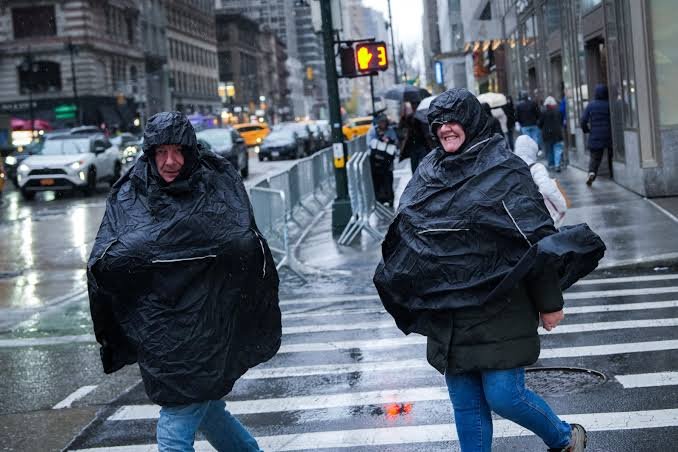
Thanksgiving travel across the United States entered its final stretch on Sunday, November 29, as millions of passengers began returning home amid forecasts of heavy rain, thunderstorms, strong winds and possible snow in several regions. The weather threat added another layer of uncertainty to an already demanding holiday travel period, with airports and highways dealing with high passenger volumes, Flight Delays and concerns about recent airline technology failures.
The National Weather Service warned that a low-pressure system could bring rainfall and thunderstorms across the eastern United States into Monday, while heavy rain was also possible along parts of the West Coast and in the South. Meanwhile, travellers in the Midwest faced forecasts of rain, gusty winds, scattered thunderstorms and possible snow.
Sunday was expected to be the busiest day of the Thanksgiving holiday period for US airports, with the Transportation Security Administration (TSA) projecting more than three million passenger screenings. Airlines, rail operators and state transportation departments were preparing for heavy return traffic as the holiday weekend approached its conclusion.
Heavy Rain and Storms Threaten Thanksgiving Return Journeys
Weather conditions were a major concern for travellers returning home on Sunday, particularly those travelling through the eastern United States and parts of the West Coast. The approaching low-pressure system was expected to spread unsettled weather across several regions, potentially affecting road conditions and flight operations.
The National Weather Service’s Weather Prediction Center identified wet conditions as the primary concern in many areas. Meteorologist Brian Hurley said rainfall could make travel surfaces slippery, while some locations could experience more hazardous conditions because of particularly heavy precipitation.
Southern California faced a notable risk of excessive rainfall by Monday. Heavy downpours in the region could create difficult driving conditions, especially on roads vulnerable to water accumulation. Travellers were also advised to consider the possibility of delays as weather conditions changed.
Across the Midwest, the forecast included rain, strong winds, possible snowfall and scattered thunderstorms. These conditions could affect both highway journeys and airport operations, particularly where wind or reduced visibility creates difficulties for transport services.
On the East Coast, people who began their return journeys later on Sunday risked encountering steady rain and heavier traffic. The combination of wet roads and holiday congestion could make journeys slower and increase the need for caution.
TSA Expects More Than Three Million Airport Passengers on Sunday
The Thanksgiving holiday period placed significant pressure on US airports, with the TSA expecting to screen approximately 17.6 million passengers between November 24 and December 1. Sunday was projected to be the busiest day, with more than three million travellers expected to pass through airport security checkpoints.
The agency urged passengers to allow additional time for the entire airport process, including parking, airline check-in and security screening. Heavy passenger volumes can create queues at multiple stages of a journey, making early arrival particularly important during major holiday periods.
TSA Administrator David P. Cummins said the agency was prepared to manage the increased passenger numbers while maintaining its security responsibilities.
“TSA is prepared to handle the increased passenger volumes expected during the Thanksgiving holiday travel period while maintaining our focus on security.”
The projected screening numbers reflected the scale of Thanksgiving travel, one of the busiest annual periods for transportation networks in the United States. Even with preparations in place, the combination of crowded terminals and adverse weather could make the return journey challenging for passengers.
Amtrak Prepares for Heavy Rail Demand
Airports were not the only transport hubs expecting substantial passenger numbers. Amtrak anticipated that it could exceed its previous Thanksgiving holiday travel record of 1.2 million trips.
The rail operator encouraged passengers to plan their journeys in advance as demand increased across its network. Train travel can offer an alternative to congested highways and busy airports, but high holiday demand can also put pressure on available services.
Amtrak’s projection highlighted the continued importance of passenger rail during major US holiday periods. Travellers choosing trains still needed to account for crowded stations, busy services and possible weather-related disruption.
Road Traffic Expected to Remain Heavy Despite High Fuel Prices
Road travel remained another major part of the Thanksgiving transportation rush. Although AAA predicted a slight decline in the number of people travelling by road, partly because of elevated fuel prices, state transportation departments continued to anticipate heavy traffic.
The busiest road conditions were expected later on Sunday as holidaymakers returned home after spending Thanksgiving with family and friends. High traffic volumes, combined with rainfall and gusty winds in several regions, could increase journey times and create additional safety risks.
Transportation authorities encouraged drivers to remain alert, avoid distractions and make responsible decisions behind the wheel. Wet roads can reduce tyre grip and increase stopping distances, making sudden braking and aggressive driving particularly dangerous.
Maine Uses Humorous Road Signs to Encourage Safer Driving
In Maine, the state Department of Transportation adopted a light-hearted approach to its road safety messaging during the holiday rush. The department deployed electronic signs carrying Thanksgiving-themed reminders intended to encourage motorists to pay attention while driving.
Messages included “Eyes on the road, not pie” and “Mash potatoes not the gas”. The wordplay connected familiar holiday food with practical driving advice, using humour to remind motorists not to become distracted or speed during busy journeys.
Other states used more direct messaging. The Florida Department of Transportation reminded drivers to arrange sober transportation while attending the state’s many rivalry football games over the weekend.
In a message posted on X, the department urged people to make responsible travel arrangements before celebrating.
“When making your game day plans, a sober ride home should always be at the top of your list. Celebrate responsibly and make the right plays.”
The warnings reflected a wider road safety concern during the holiday period. Increased traffic, celebrations and long-distance driving can create dangerous conditions when motorists drive while impaired, distracted or fatigued.
Recent Airline Technology Failures Add to Passenger Anxiety
Beyond the weather, travellers were also hoping to avoid another round of airline technology failures after several major disruptions affected US aviation during November.
The problems included a Federal Aviation Administration network malfunction that triggered the longest nationwide ground stop in 25 years. The disruption forced flights across the country to remain on the ground while aviation authorities dealt with the system failure.
United Airlines and Delta Air Lines also experienced their own operational outages within the previous two weeks, contributing to hundreds of flight delays. The incidents raised concerns about how technology disruptions at major airlines and aviation agencies can affect passengers across an interconnected air travel network.
For Thanksgiving travellers, the timing of these failures was particularly frustrating. The holiday period already places considerable pressure on airlines, airport staff and air traffic management systems. When technical problems occur during peak demand, even a disruption affecting one part of the system can create delays that spread across multiple airports.
Passengers returning home on Sunday were therefore facing two separate uncertainties: changing weather conditions and the possibility of further operational problems. Although the recent outages did not mean another nationwide disruption was inevitable, they added to travellers’ concerns about the reliability of air services.
Thousands of Flight Delays Reported Across the United States
Flight-tracking service FlightAware reported nearly 4,300 flight delays and hundreds of cancellations across the United States on Saturday. Disruptions continued into Sunday as airports dealt with weather conditions and heavy holiday demand.
At San Francisco International Airport, flights experienced delays of more than 90 minutes because of wind. Wind-related disruptions were also reported in Austin, Texas, where conditions affected flight operations.
Weather-related delays can occur when strong winds make take-offs and landings more difficult or require changes to aircraft operations. Even when conditions do not force an airport to close, restrictions on how aircraft can operate may reduce the number of flights handled over a given period.
During a busy holiday weekend, the effects can extend beyond the airport experiencing the initial problem. Aircraft and crews operate on schedules connecting multiple cities, meaning a delay at one location can affect later departures elsewhere.
Passengers facing disruptions may also encounter limited alternative flights because many services are already heavily booked during Thanksgiving. This can make rebooking more difficult and leave travellers waiting longer to complete their journeys.
US Air Traffic Reaches a 16-Year High During Holiday Week
The scale of the Thanksgiving travel rush was reflected in the number of flights operating across the country. US air traffic reached a 16-year high on Tuesday, with approximately 52,000 flights recorded in a single day, according to Transportation Secretary Sean Duffy.
The figure illustrated the pressure placed on the national aviation network during the holiday period. Airlines were managing large numbers of passengers while airports and air traffic controllers worked to keep flights moving safely.
High traffic volumes also leave less room for disruption. When airports are operating close to their capacity, weather-related restrictions, technical failures or staffing challenges can have a greater impact on schedules.
The Thanksgiving period is therefore a major operational test for the US aviation system. The combination of record-level traffic, changing weather and recent technology problems made this year’s return weekend particularly demanding for transport operators.
What Travellers Should Watch as the Holiday Weekend Ends
With unsettled weather expected to continue into Monday in several regions, travellers still completing their journeys needed to monitor conditions and transport updates. The most important risks varied by location, with heavy rainfall a concern in parts of the East and South, possible excessive rain in Southern California, and a mix of wind, snow and thunderstorms in the Midwest.
Air passengers could reduce uncertainty by checking flight status before leaving for the airport and allowing additional time for parking, check-in and security. Travellers driving long distances needed to account for slower road conditions, maintain safe distances and avoid unnecessary risks in heavy rain or strong winds.
Those using rail services were also encouraged to check schedules and plan ahead as Amtrak anticipated record-level Thanksgiving demand.
A Busy Thanksgiving Travel Period Nears Its End
Sunday marked the closing phase of one of the busiest travel periods of the year in the United States. Millions of people were returning home after the national holiday, while airports, highways and rail networks continued to handle substantial demand.
The combination of adverse weather, thousands of flight disruptions and recent airline technology failures made the final stage of the Thanksgiving rush more complicated than a routine holiday return. Although transportation agencies said they were prepared for the passenger surge, travellers still faced the possibility of longer journeys and changing schedules.
As the weekend came to an end, weather conditions remained the most immediate concern in several parts of the country. For passengers and motorists alike, reaching home safely and allowing extra time for unexpected delays remained the central priorities.
For breaking news and live news updates, like us on Facebook or follow us on Twitter and Instagram. Read more on Latest World on thefoxdaily.com.




COMMENTS 0