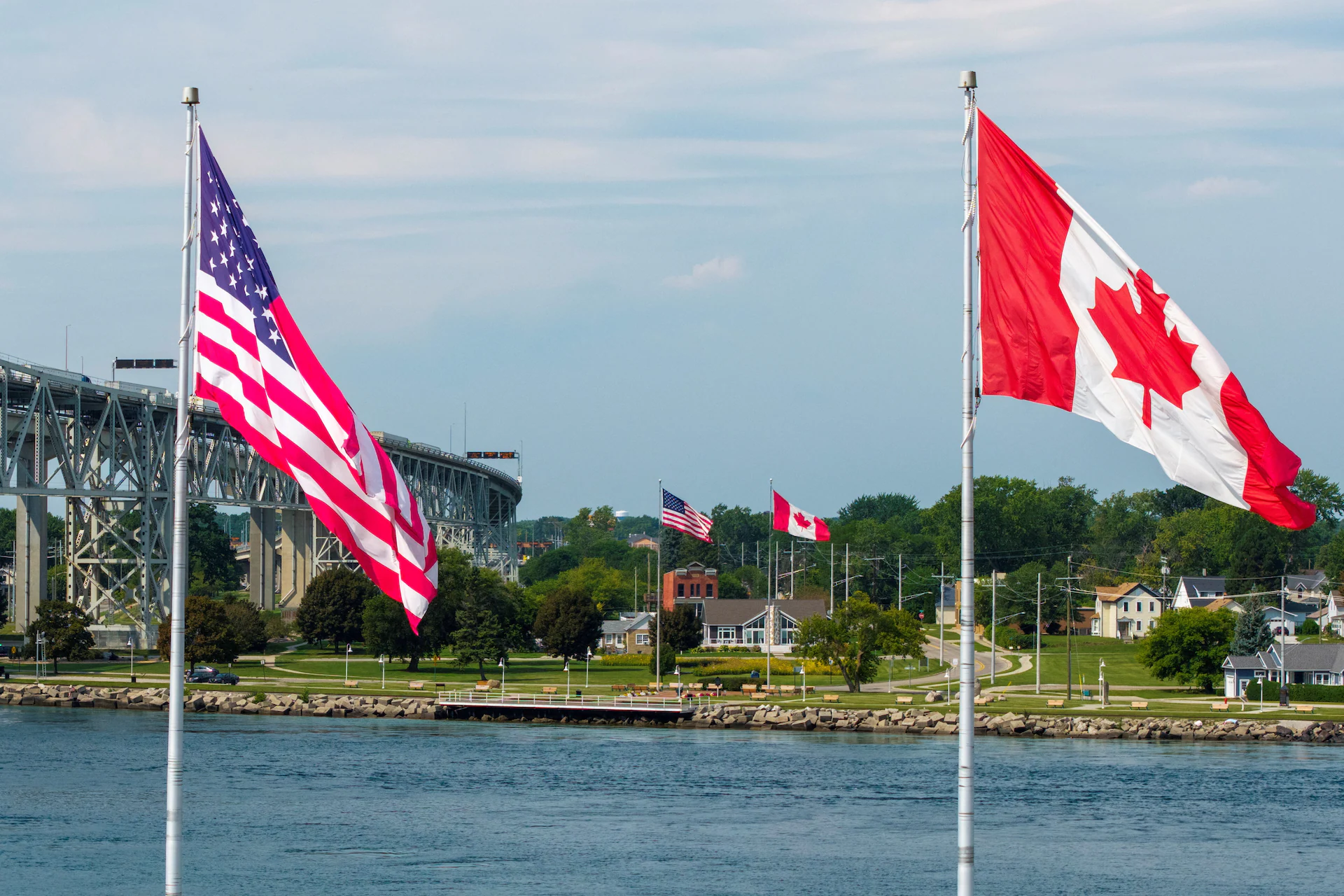
A food importer has sued the Trump administration in an effort to block the latest tariffs on goods imported from Canada, opening another legal challenge over the limits of presidential authority to impose trade duties.
The lawsuit, filed in New York on October 20, argues that the tariffs represent another attempt by President Donald Trump to exercise sweeping authority over import duties. The plaintiff contends that courts have already rejected broad claims of unrestricted presidential power to impose tariffs.
The case adds to the legal disputes surrounding Trump’s trade policies and his administration’s use of tariffs against foreign trading partners. Its outcome could have implications for how far the president can go in imposing import duties without exceeding the authority granted under US law.
The lawsuit specifically targets the latest tariffs affecting imports from Canada. However, the available report does not identify the food importer, specify the products it brings into the United States or detail the precise legal provisions cited in the complaint.
Why the food importer is challenging Trump’s Canada tariffs
The plaintiff argues that the latest duties are part of a broader effort to establish extensive presidential control over tariff policy. According to the lawsuit, this approach conflicts with court decisions that have rejected claims of unfettered executive authority to impose tariffs.
Tariffs are taxes imposed on imported goods. They can influence the cost of bringing products into a country, affect competition between domestic and foreign suppliers, and change the commercial calculations of businesses that rely on international trade.
For food importers, additional duties can create uncertainty over procurement costs, pricing and supply arrangements. Businesses may have to reconsider contracts, suppliers or prices when the cost of importing goods changes. The actual impact depends on the products covered, the tariff rate and the extent to which importers, retailers or consumers absorb the additional expense.
The lawsuit’s central issue, however, is not simply whether tariffs make imports more expensive. It challenges the legal authority used to impose the latest duties and argues that the president cannot claim unlimited discretion over tariff policy.
The court will need to consider the legal arguments and the relevant statutory authority when determining whether the challenged measures can stand. The filing of a lawsuit does not itself suspend the tariffs or establish that the administration acted unlawfully.
The broader legal battle over presidential tariff powers
The challenge reflects a wider debate in the United States over the division of authority between Congress and the president in trade policy.
Tariff policy can be used to pursue economic and diplomatic objectives, but presidential authority to impose duties is governed by federal law. The scope of that authority depends on the legal provisions invoked and the conditions Congress has established for their use.
The food importer argues that the latest Canada Tariffs represent another attempt to claim a level of presidential power that courts have already rejected. That contention places the administration’s legal justification for the duties at the centre of the dispute.
Different tariff measures can rely on different legal authorities, so the outcome of one court case does not automatically determine the validity of every other tariff. The specific legal basis for the challenged duties and the reasoning in relevant court decisions will be important in assessing the case.
The available report does not provide the full complaint, identify the previous rulings cited by the plaintiff or explain the administration’s legal defence. It is therefore not yet possible to determine how the new lawsuit relates to particular earlier cases or whether the court will grant the requested relief.
What the lawsuit could mean for businesses importing Canadian goods
The case could matter to businesses that depend on Canadian imports because it seeks to block the latest tariffs. For importers, uncertainty over the legal status of duties can complicate planning, particularly when goods are purchased under contracts that extend over time.
Tariffs can affect the costs associated with importing products and may influence decisions about sourcing, inventory and pricing. Businesses may face difficulty estimating future expenses when the rules governing import duties are being challenged in court or could change through further government action.
Food imports can involve additional commercial considerations, including the need to coordinate purchases and deliveries with suppliers and distributors. However, the report does not identify the plaintiff’s products or establish that the challenged tariffs have already caused particular losses to the company.
The lawsuit also does not automatically mean that other importers will receive relief. Any court order would depend on the proceedings, the legal issues presented and the scope of the remedy granted. Until the court acts, the filing should be understood as a challenge to the tariffs rather than a decision overturning them.
What happens next in the legal challenge?
The next steps will depend on the court proceedings and the arguments presented by the food importer and the Trump administration. The court will need to assess the plaintiff’s claims about presidential authority alongside the legal basis for the tariffs.
Important questions include whether the administration acted within the authority granted by Congress, how relevant court rulings apply to the challenged measures and whether the plaintiff is entitled to the requested relief.
The available report does not provide a hearing date, identify the judge assigned to the case or state whether the plaintiff has requested an emergency order. It also does not establish whether the tariffs will remain in effect throughout the proceedings.
Until further details or a court decision become available, the legal status of the challenged duties should not be confused with the plaintiff’s allegations. The lawsuit begins another contest over the limits of presidential trade powers, but its outcome remains uncertain.
Conclusion
A food importer has filed a lawsuit seeking to block Donald Trump’s latest tariffs on Canadian imports, arguing that the administration is again attempting to claim broad presidential authority that courts have rejected.
The case highlights the legal questions surrounding the president’s power to impose trade duties and the importance of identifying the statutory authority supporting individual tariff measures. It also underscores the uncertainty businesses can face when import costs depend on trade policies under legal challenge.
The lawsuit does not itself overturn the tariffs, and the available information does not establish when the court will rule. Its significance will depend on the legal arguments, the administration’s defence and whether the court determines that the challenged duties exceed the president’s authority under US law.
For breaking news and live news updates, like us on Facebook or follow us on Twitter and Instagram. Read more on Latest World on thefoxdaily.com.





COMMENTS 0