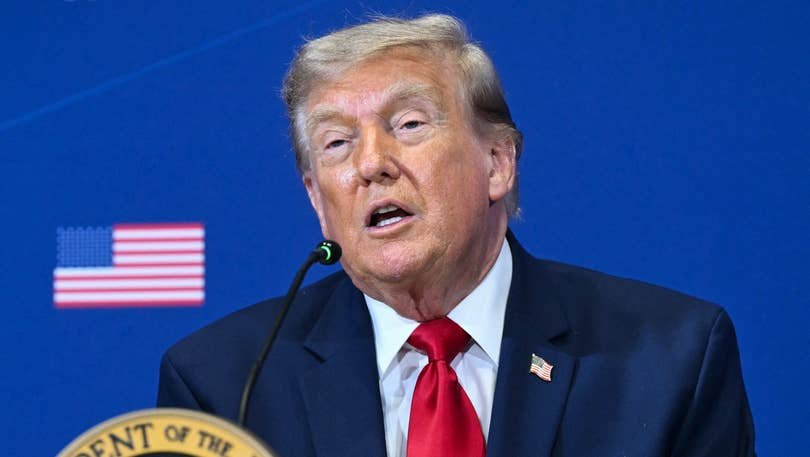
President Donald Trump delivered a primetime address focused on election integrity, arguing that the United States must strengthen its voting system to ensure free and fair elections. During the speech, Trump announced the release of previously classified documents related to the 2018 and 2020 elections, alleging vulnerabilities involving foreign influence and election security. The address also served as a renewed call for Congress to pass stricter voter identification legislation.
The speech immediately generated intense political debate. Supporters viewed it as a necessary discussion about safeguarding future elections, while critics argued that it revisited claims surrounding the 2020 presidential election without presenting evidence that vote totals had been altered. With the 2026 midterm elections approaching, the address has once again placed election security at the center of American political discourse.
What Trump Announced During the Speech
Trump began his address by describing election integrity as one of the nation’s most urgent priorities. He argued that public confidence in elections depends on preventing cheating, foreign interference, and administrative vulnerabilities.
Among the key announcements were:
- The release of previously classified documents related to election intelligence and investigations.
- A renewed push for stricter voter identification requirements.
- Calls for broader election reforms intended to improve public confidence.
- Allegations that the current election system contains significant weaknesses.
Trump stated that his administration believes stronger safeguards are necessary to protect future elections, regardless of political party.
The Released Documents: What We Know
Alongside the speech, the White House published documents described as previously classified material connected to election security investigations.
The released records reportedly included intelligence assessments, internal correspondence, and investigative files concerning foreign influence activities. However, many of the documents were presented without detailed explanatory context, prompting immediate debate among policymakers, intelligence experts, and election officials over how the information should be interpreted.
Because intelligence documents often represent preliminary analysis rather than final conclusions, experts generally caution that individual excerpts should be evaluated alongside the broader investigative record.
Foreign Interference vs. Vote Manipulation
One of the most important distinctions in election security is the difference between foreign influence operations and direct manipulation of vote counts.
| Foreign Influence | Vote Manipulation |
|---|---|
| Attempts to influence public opinion through propaganda, social media campaigns, or misinformation. | Changing ballots, vote totals, voting machines, or certified election results. |
| Can affect public perception. | Would directly alter election outcomes. |
| Has been documented in multiple election cycles involving several foreign governments. | No credible evidence has established that vote counts in the 2020 U.S. presidential election were changed by foreign actors. |
This distinction remains central to understanding the ongoing political debate surrounding election security.
What Previous Reviews Found
Following the 2020 presidential election, numerous audits, recounts, court proceedings, and election reviews examined allegations of widespread fraud and foreign interference.
Federal and state election officials, bipartisan election administrators, and multiple independent reviews concluded that there was no evidence of widespread fraud capable of changing the certified outcome of the presidential election.
Numerous legal challenges were also considered by courts across several states, with certified election results ultimately remaining unchanged.
Why Election Security Remains an Important Issue
Even though investigations have not established evidence that foreign governments changed certified vote totals in 2020, election security continues to be a legitimate national security concern.
Foreign governments have repeatedly been accused of attempting to influence democratic elections through:
- Disinformation campaigns.
- Cyber operations targeting political organizations.
- Social media influence campaigns.
- Attempts to amplify political polarization.
- Online propaganda targeting voters.
Protecting elections therefore involves not only securing voting systems but also defending the broader information environment that shapes public opinion.
Trump’s Push for Voter ID Legislation
A central theme of Trump’s address was his support for stronger voter identification requirements. He argued that stricter verification measures would increase public confidence in elections and reduce vulnerabilities.
Supporters of voter ID laws generally argue that:
- They strengthen election integrity.
- They increase voter confidence.
- They help prevent certain forms of election fraud.
Critics, however, contend that:
- Existing evidence shows in-person voter fraud is relatively rare.
- Additional identification requirements may create barriers for some eligible voters.
- Election reforms should balance both accessibility and security.
The debate over voter identification remains one of the most contested issues in American election policy.
Political Reactions
Trump’s address drew sharply different reactions from political leaders.
Republican allies largely supported renewed attention to election security, emphasizing the importance of protecting future elections and increasing voter confidence.
Democratic lawmakers argued that the speech revisited previously disputed claims while potentially undermining public trust in upcoming elections. Several Democrats maintained that existing election systems remain secure and expressed concern that renewed focus on past elections could influence public perception ahead of the 2026 midterms.
The contrasting responses illustrate how election administration has become one of the nation’s most politically polarized issues.
Why the Timing Matters
The speech comes as preparations for the 2026 congressional midterm elections accelerate.
Historically, midterm elections often serve as a referendum on a sitting president’s administration. Control of Congress, state governments, and numerous local offices will be at stake, making election administration an especially prominent topic.
By emphasizing election integrity months before voting begins, Trump has ensured that election security will remain a central political issue throughout the campaign season.
Understanding Public Confidence in Elections
Election experts frequently note that confidence in democratic institutions depends on two equally important goals:
- Ensuring elections are secure against fraud and foreign interference.
- Ensuring eligible voters can participate without unnecessary obstacles.
Maintaining both objectives simultaneously is often one of the greatest challenges facing election administrators. Policies that improve security must also preserve accessibility and transparency to sustain public trust.
The Broader Debate Over Election Integrity
Election integrity extends far beyond voting machines or ballot counting. Modern elections involve cybersecurity, voter registration systems, absentee ballot processing, supply chain security, public communication, and protection against foreign disinformation campaigns.
Governments increasingly invest in cybersecurity partnerships, intelligence sharing, and infrastructure upgrades designed to strengthen resilience against evolving threats.
These efforts reflect growing recognition that protecting elections requires coordination among federal agencies, state election officials, technology providers, and local governments.
What Could Happen Next?
The release of additional government documents is likely to generate further analysis from intelligence experts, lawmakers, election officials, and journalists. Congressional discussions surrounding election reform, voter identification legislation, and cybersecurity funding may also intensify in the months leading up to the midterms.
Meanwhile, election officials across the country are expected to continue preparing for the 2026 elections through security testing, poll worker training, equipment certification, and public education campaigns.
Expert Insight: Why Transparency Is Becoming as Important as Security
One of the biggest lessons from recent election cycles is that protecting democracy involves more than preventing technical vulnerabilities. Public understanding of how elections are conducted has become increasingly important.
Election experts argue that transparency—such as publishing audit procedures, explaining vote-counting processes, and communicating clearly during investigations—can strengthen confidence regardless of political affiliation. In an era of rapidly spreading information and misinformation, clear communication is often as critical as the security measures themselves.
Conclusion
President Trump’s primetime address once again placed election integrity at the forefront of national politics by combining allegations of foreign interference, the release of previously classified documents, and renewed calls for stricter voter identification laws. The speech immediately intensified debate over election security, government transparency, and the future of voting policy in the United States.
While previous reviews of the 2020 election did not find evidence that foreign actors manipulated certified vote totals, concerns about foreign influence operations and election cybersecurity remain active areas of attention for policymakers and intelligence agencies. As the country moves toward the 2026 midterm elections, discussions surrounding election integrity, public confidence, and voting reforms are likely to remain among the defining political issues shaping the national conversation.
For breaking news and live news updates, like us on Facebook or follow us on Twitter and Instagram. Read more on Latest World on thefoxdaily.com.






COMMENTS 0