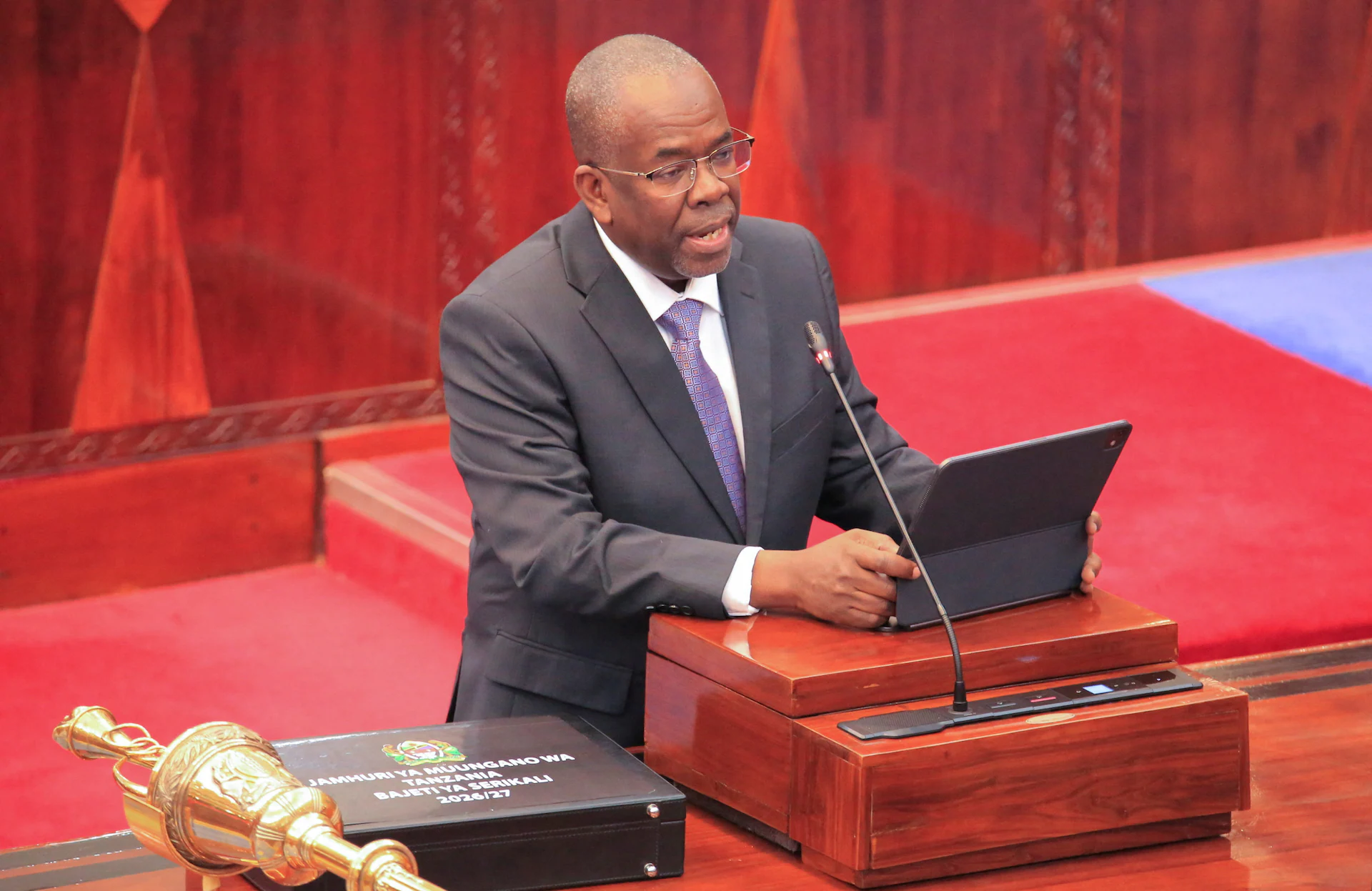
Tanzania is close to finalising agreements for a $42 billion liquefied Natural Gas (LNG) development, with the government expecting to conclude major investment deals in the coming months, Finance Minister Khamis Mussa Omar told Reuters on Tuesday.
The LNG project, led by Equinor and Shell, is a central part of Tanzania’s efforts to attract international investment, expand its energy industry and support long-term industrialisation. The development is expected to unlock 47.13 trillion cubic feet of natural gas reserves, positioning the country for a larger role in East Africa’s energy sector.
Omar said negotiations were nearing completion, despite earlier expectations that the agreement would be signed before June. “It’s almost there,” he said.
$42 Billion LNG Project Nears Agreement
The proposed LNG development is among Tanzania’s most significant planned energy investments. Equinor and Shell are leading the project, with Exxon Mobil, Pavilion Energy, Medco Energi and state-owned Tanzania Petroleum Development Corporation also participating.
The project is expected to support the development of Tanzania’s substantial natural gas resources. While most of the LNG produced will be exported to international markets, a portion will be reserved for domestic consumption.
Using natural gas for local energy needs could help support industrial activity, while exports could generate revenue and attract further investment. The government sees the project as part of a broader strategy to develop revenue-generating infrastructure and strengthen the country’s economic base.
Equinor and Shell did not respond to requests for comment on the status of the negotiations.
East Africa Seeks to Expand Its Energy Industry
Tanzania’s LNG ambitions form part of a wider effort to establish East Africa as a major energy hub. The region is preparing for further developments in oil and gas production, with Uganda planning its first oil exports through Tanzania’s port of Tanga in early 2027.
The planned Ugandan exports could strengthen Tanzania’s role as a regional transport and energy gateway, while the LNG project would expand its position in international natural gas markets.
For Tanzania, these developments offer opportunities to attract foreign capital, generate export earnings and support industrial growth. However, the scale of the planned investments means that final agreements and project implementation remain important milestones.
Tanzania Targets 8,000 MW of Power Capacity by 2030
Alongside the LNG development, Tanzania aims to roughly double its electricity generation capacity to 8,000 megawatts by 2030, according to Omar.
The government also wants around 75% of its energy to come from sources it classifies as clean. These include hydropower, solar, wind and natural gas.
The targets reflect Tanzania’s ambition to expand electricity supplies while increasing the contribution of lower-carbon energy sources. Greater power generation capacity could help meet growing electricity demand and support industrialisation.
Natural gas is expected to play a role in this strategy alongside renewable sources. The balance between expanding energy supplies, attracting investment and meeting the government’s energy targets will be important as Tanzania develops its infrastructure.
Critical Mineral Investment Agreements Also Near Completion
Tanzania is also close to finalising agreements for two critical mineral projects, Omar said, declining to provide further details.
He added that US investors were particularly interested in opportunities involving energy and critical minerals. The government is seeking more international investment in projects capable of generating revenue and helping finance their own development.
Critical minerals have become an important area of interest for investors because of their role in industrial supply chains and energy-related technologies. For Tanzania, attracting capital into these projects could broaden investment beyond traditional energy developments.
The government is looking to secure investment that supports economic activity while reducing the need to rely exclusively on external financing or public funds.
Tanzania Expands Access to Domestic Bond Market
Alongside its efforts to attract project investment, Tanzania is working to broaden access to its domestic debt market for foreign investors.
The government has not yet decided whether to issue an international bond. However, it is taking steps to attract international participation in domestic government debt and develop the country’s capital markets.
In July, Tanzania widened foreign investor access to its domestic bond market. It launched a sovereign yield curve in August and introduced reforms intended to encourage corporate debt issuance.
Omar said the government was still assessing the risks associated with greater foreign participation. The central bank is studying the experiences of other African countries as Tanzania considers how to expand access while managing potential financial risks.
The strategy reflects a broader trend among frontier markets seeking to attract global investment into local-currency debt. Greater participation could broaden the investor base, although authorities must also consider how changes in foreign capital flows might affect domestic financial markets.
Domestic Revenue Funds Two-Thirds of Tanzania’s Budget
Tanzania currently finances approximately two-thirds of its budget through domestic revenue, according to Omar. The country’s budget is valued at around 62.3 trillion Tanzanian shillings, equivalent to approximately $23.7 billion.
Official development assistance, which previously accounted for around 40% of the budget, has declined significantly as international aid has fallen. Omar described its current contribution as “very, very negligible”.
The shift highlights the government’s growing reliance on domestic revenue and its efforts to attract private and international investment to support development projects.
Large-scale investments in LNG, electricity generation and critical minerals could create new economic opportunities, although their eventual contribution will depend on project agreements, implementation and the ability to generate sustainable returns.
Government Weighs New IMF Lending Programme
Tanzania is also considering whether to seek a new lending programme from the International Monetary Fund (IMF). Omar said the government expects to decide by June whether to pursue another arrangement.
The country’s previous $1.7 billion IMF programme ended in July. It included an Extended Credit Facility and a climate-focused Resilience and Sustainability Facility.
A decision on a new programme would form part of the government’s broader approach to managing its financing needs and economic priorities. At the same time, Tanzania is seeking to increase domestic revenue, attract foreign investors and advance major infrastructure and industrial projects.
Investment Plans Central to Tanzania’s Economic Strategy
Tanzania’s proposed $42 billion LNG development remains a key component of its plans to expand energy production and support industrialisation. The government is also pursuing critical mineral investments, higher electricity generation capacity and measures to deepen its domestic debt market.
The combination of energy projects and financial reforms is intended to attract international capital while increasing the role of domestic revenue in funding public spending.
With LNG negotiations nearing completion and additional investment agreements under discussion, the coming months will be important for determining how quickly Tanzania can move its development plans forward. The finalisation of these agreements could help establish the foundation for further investment in the country’s energy sector and wider economy.
For breaking news and live news updates, like us on Facebook or follow us on Twitter and Instagram. Read more on Latest Automobile on thefoxdaily.com.



COMMENTS 0