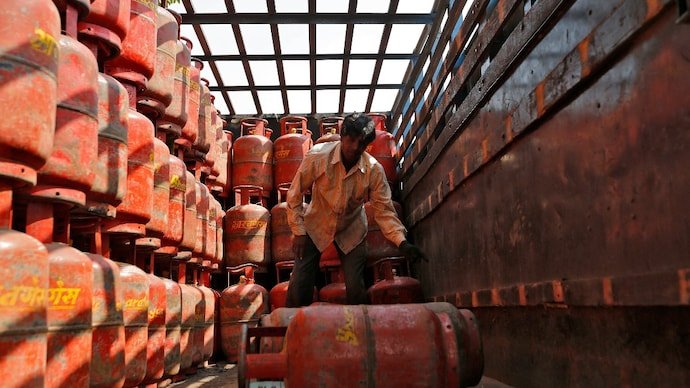
India is weighing a proposal to impose new levies on liquefied petroleum gas (LPG) and natural gas consumers as part of an ambitious plan to build a strategic fuel reserve estimated to cost around $42 billion over the next decade. According to Reuters, the proposal remains under consideration and has not yet received approval from the Union Cabinet.
If implemented, the initiative would mark a significant shift in India’s Energy Security strategy by extending strategic reserves beyond crude oil for the first time. The proposal comes after recent geopolitical tensions in the Middle East highlighted the risks associated with India’s heavy dependence on imported energy supplies.
Why India Is Planning New Strategic Fuel Reserves
India is the world’s third-largest importer of crude oil and relies extensively on overseas suppliers for its energy requirements. This dependence exposes the country to disruptions caused by geopolitical conflicts, shipping bottlenecks, and volatility in international energy markets.
Recent tensions affecting the Middle East, particularly around key shipping routes such as the Strait of Hormuz, have renewed concerns over supply security. Any disruption along these routes can increase transportation costs, tighten global supplies and push up domestic fuel prices.
The proposed reserve programme seeks to strengthen India’s ability to withstand such disruptions by maintaining larger emergency inventories of critical fuels.
What the Proposal Includes
According to the Reuters report, the government’s long-term plan aims to establish emergency stockpiles capable of covering:
- Approximately two months of crude oil demand.
- Around two months of liquefied natural gas (LNG) demand.
- Roughly six weeks of liquefied petroleum gas (LPG) consumption.
India already maintains strategic crude oil reserves, but dedicated emergency storage facilities for LPG and LNG do not currently exist. The proposed expansion would therefore represent a major addition to the country’s emergency energy infrastructure.
How the Proposed Levies Would Work
To help finance the construction of LPG and natural gas storage facilities, the Ministry of Petroleum and Natural Gas is reportedly considering modest user levies.
According to the proposal:
- An LPG levy of Rs 1.29 per kilogram is under consideration.
- A natural gas levy of Rs 1.43 per standard cubic metre has also been proposed.
Officials are reportedly still discussing the mechanism for collecting these charges, and no final decision has been announced.
The proceeds would primarily be used to finance storage infrastructure for LPG and natural gas, while strategic crude oil reserves would continue to receive government funding.
Estimated Impact on Household LPG Bills
Based on current consumption levels, the proposed LPG levy could add roughly Rs 18 to the price of a standard domestic cooking gas cylinder.
The Reuters report estimates that the LPG levy could generate approximately $460 million annually for storage infrastructure.
Meanwhile, the proposed natural gas levy could raise around $1 billion each year.
Together, these charges are expected to contribute nearly $1.5 billion annually towards developing the country’s expanded strategic fuel reserve network.
Key Features of the Proposal
| Proposal | Details | Status |
|---|---|---|
| Total strategic reserve plan | Approximately $42 billion over 10 years | Under consideration |
| LPG levy | Rs 1.29 per kg | Proposed |
| Natural gas levy | Rs 1.43 per standard cubic metre | Proposed |
| Expected LPG cylinder increase | About Rs 18 per domestic cylinder | Estimated impact |
| Purpose | Develop LPG and LNG strategic storage infrastructure | Proposed |
Why Energy Security Has Become a Bigger Priority
The proposal reflects growing recognition that energy security extends beyond maintaining adequate crude oil reserves.
Natural gas has become increasingly important for electricity generation, fertiliser production, industrial manufacturing and city gas distribution networks. Similarly, LPG remains a primary cooking fuel for millions of Indian households.
Maintaining emergency reserves of these fuels could help reduce supply disruptions during periods of international conflict or shipping interruptions.
India’s Existing Strategic Oil Reserves
India currently possesses government-owned strategic crude oil storage capacity of approximately 5.33 million tonnes. Another 6.5 million tonnes of storage capacity is under construction.
However, unlike crude oil, the country does not yet maintain dedicated strategic reserves for LPG or LNG.
The proposed plan seeks to close that gap by creating infrastructure specifically designed to store these fuels for emergencies.
How India Compares with Other Asian Countries
According to the supplied material, India’s emergency fuel reserves remain relatively modest compared with several major Asian economies.
Government-controlled reserves currently cover less than 10 days of national demand, whereas countries such as Japan and South Korea maintain emergency stockpiles designed to last well over 100 days.
Although the composition of these reserves differs across countries, the comparison highlights why policymakers are seeking to expand India’s strategic energy buffer.
Potential Impact on Consumers and Industry
For households, the proposed levies would increase gas bills by an estimated 2%, according to the report.
While the increase on individual domestic consumers may appear relatively modest, industries that consume large quantities of natural gas could experience higher operating costs if the proposal is implemented.
Sectors that could be affected include:
- Fertiliser manufacturing.
- Power generation.
- Steel production.
- Industrial gas users.
The final impact would depend on how the levy is structured and whether any exemptions are introduced.
Why the Government Has Not Made the Discussions Public
According to Reuters, discussions surrounding the proposal have been kept confidential to avoid triggering consumer concern over possible increases in domestic fuel prices.
Fuel pricing remains politically sensitive in India because changes directly affect household budgets and business costs.
No official announcement has yet been made regarding the timing of any decision.
What Happens Next?
The proposal is still awaiting approval from the Prime Minister’s Cabinet. Until such approval is granted, the suggested levies remain under consideration rather than government policy.
Officials are also expected to finalise the mechanism for collecting the proposed charges and determine how the funds would be managed.
If approved, the initiative would represent one of India’s most significant long-term investments in energy security, expanding emergency reserves beyond crude oil and creating dedicated infrastructure for LPG and natural gas for the first time.
Why the Proposal Matters
India’s Economy continues to depend heavily on imported energy, making it vulnerable to international geopolitical developments and disruptions in global supply chains.
The proposed strategic reserve programme aims to strengthen the country’s resilience during future crises by ensuring larger emergency fuel inventories are available when international supplies become constrained.
Although consumers could face modest increases in gas bills if the levies are introduced, policymakers appear to be weighing those additional costs against the longer-term objective of improving India’s energy security and reducing the impact of future global fuel shocks.
For breaking news and live news updates, like us on Facebook or follow us on Twitter and Instagram. Read more on Latest Business on thefoxdaily.com.






COMMENTS 0