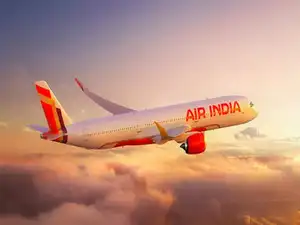
Air India is considering expanding its orders for wide-body aircraft as it looks to strengthen its international operations and capitalise on growth opportunities in the global aviation market. However, profitability remains a major concern for the airline as it works to improve its financial performance amid industry challenges.
Air India CEO Tewolde Gebremariam has emphasised the importance of balancing expansion with financial discipline. The airline is seeking to build its long-term capabilities while addressing the commercial pressures that continue to affect the aviation sector.
Air India Considers Expanding Wide-Body Aircraft Orders
The airline’s interest in increasing its wide-body aircraft orders reflects its ambitions to expand its long-haul operations and strengthen its international network. Wide-body aircraft are generally used for long-distance routes and offer airlines the capacity to serve major international markets.
Additional aircraft could provide Air India with greater flexibility to develop international connections, increase capacity on selected routes and compete for a larger share of global passenger traffic. However, any expansion would need to be aligned with demand, aircraft availability and the airline’s financial objectives.
The focus on wide-body aircraft also highlights the importance of international connectivity in Air India’s broader growth strategy. As India’s aviation market expands, the airline is looking to strengthen its position in the long-haul travel segment.
Profitability Remains a Major Challenge
Despite its expansion ambitions, profitability remains a concern for Air India. Growing an airline requires substantial investment in aircraft, operations, technology, infrastructure and customer services. These costs can put pressure on financial performance, particularly when airlines are operating in a competitive market.
For Air India, the challenge is to ensure that capacity expansion translates into sustainable revenue growth. Adding aircraft and launching more routes can create opportunities, but the commercial success of these decisions depends on passenger demand, operating costs and the ability to generate sufficient returns.
The airline’s emphasis on improving financial performance indicates that growth alone is not the only priority. It must also strengthen operational efficiency and make network decisions that support long-term profitability.
India’s Ambition to Become a Global Aviation Hub
Gebremariam also highlighted the need for India to make timely decisions to realise its potential as a global aviation hub. India’s expanding aviation market offers opportunities to improve international connectivity and attract a larger share of global passenger traffic.
Becoming a major aviation hub requires more than a growing domestic passenger market. It also depends on airport infrastructure, international connections, efficient passenger transfers, regulatory decisions and the ability of airlines to operate competitive networks.
Timely policy and infrastructure decisions could help India strengthen its position in international aviation. Better connectivity would allow passengers travelling between different regions to use Indian airports as convenient transfer points, potentially supporting the growth of domestic and international airlines.
Air India Looks to Rethink Hubs and Network Structure
Air India is also looking at how its hubs and network structure should evolve to reflect changing market conditions. Hub-based operations allow airlines to connect passengers from multiple destinations through selected airports, helping them build a wider network and improve route connectivity.
Reassessing its hubs could help the airline identify opportunities to improve connections, deploy aircraft more efficiently and strengthen its international reach. Network planning will be particularly important as Air India considers additional wide-body aircraft and evaluates potential long-haul growth opportunities.
However, changes to hubs and routes require careful planning. Airlines must consider passenger demand, airport capacity, operating expenses and the availability of suitable aircraft before making major network adjustments.
Balancing Expansion With Financial Discipline
Air India’s plans underline the challenge facing airlines that want to expand in a growing but demanding aviation market. Increasing aircraft orders and developing international routes can support long-term ambitions, but they also require significant financial commitments.
The airline will need to balance its fleet strategy with the goal of improving profitability. Decisions about aircraft orders, route development and hub operations will play an important role in determining whether expansion can deliver sustainable financial results.
For India’s wider aviation ambitions, Air India’s strategy also raises questions about the country’s ability to develop globally competitive airline networks and strengthen its position in international travel.
Outlook: Air India’s Growth Strategy Faces a Financial Test
Air India’s interest in expanding wide-body aircraft orders signals its continued focus on international growth. At the same time, the airline’s acknowledgement of profitability concerns highlights the financial challenges involved in pursuing that strategy.
The coming phase of its development will depend on how effectively it aligns fleet expansion, network planning and operational performance. Its approach to hubs and international connectivity will also matter as India seeks to strengthen its role in global aviation.
Ultimately, Air India’s expansion ambitions will need to be supported by sustainable financial performance. Building a larger international network may create new opportunities, but maintaining profitability will remain central to the airline’s long-term plans.
For breaking news and live news updates, like us on Facebook or follow us on Twitter and Instagram. Read more on Latest Business on thefoxdaily.com.






COMMENTS 0