
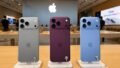
Apple‘s new iPhone Duo has arrived with an eye-catching design, a large foldable display and a starting price of $1,999 in the United States. But while the technology has generated excitement, one major question remains unanswered: who exactly is Apple expecting to buy it?
The foldable iPhone was unveiled during Apple’s September event in Cupertino, where new CEO John Ternus demonstrated the device running applications including Zoom, Slack and Netflix. Apple presented the larger screen as a way to combine smartphone convenience with an experience closer to an iPad.
Yet analysts say Apple’s marketing did not clearly identify whether the iPhone Duo is primarily a productivity device, an entertainment machine, a creative tool or simply a more luxurious version of the iPhone.
That uncertainty could become important after the initial excitement fades. Apple’s powerful brand may generate strong early demand, but the company’s long-term challenge will be convincing consumers that a foldable iPhone is worth paying almost $2,000 for.
Apple’s $1,999 Foldable iPhone Creates a Positioning Problem
Apple has historically been skilled at explaining why a new product category matters. When Steve Jobs introduced the iPad in 2010, Apple positioned the tablet as something between a smartphone and a laptop, with a strong emphasis on media consumption and a new computing experience.
Later, Apple gave the iPad Pro a more clearly defined role as a device for creative professionals and demanding users.
The Apple Watch followed a similar evolution. Initially marketed partly as a fashion and lifestyle product, it increasingly became associated with health, fitness and everyday convenience.
Analysts say the iPhone Duo does not yet have an equally clear identity.
Carolina Milanesi of Creative Strategies said Apple normally does not explicitly define its buyer, but in this case the company appeared particularly reluctant to explain exactly who should purchase the foldable device.
That creates an unusual marketing challenge for Apple. A $1,999 starting price is high enough that consumers may expect a strong reason to upgrade rather than simply another premium design option.
Is the iPhone Duo for Work or Entertainment?
During the launch presentation, Apple demonstrated several different use cases. The foldable screen can make video calls more spacious, provide a larger area for productivity applications and improve the viewing experience for movies and other content.
Zoom and Slack demonstrations suggested a professional angle, while Netflix highlighted entertainment. Apple’s description of the device as a personal AI hub also points toward a broader computing role.
But versatility can become a weakness when a product lacks a defining purpose.
Counterpoint Research analyst Neil Shah said the presentation did not make it obvious whether the device was intended more for work or play. He argued that versatility has always been central to the iPhone’s identity.
The challenge is that consumers considering a nearly $2,000 phone may want something more specific. Professionals could compare it with a laptop or tablet, while entertainment-focused buyers may question whether the larger display justifies the premium.
Why Apple May Still Sell Millions of Foldable iPhones
Despite the positioning concerns, analysts expect the iPhone Duo to have a powerful advantage that competitors cannot easily reproduce: Apple’s enormous installed base and brand loyalty.
Counterpoint’s Shah estimates Apple could sell close to 6 million iPhone Duo units by the end of 2026. Those sales alone could give Apple roughly a quarter of the global foldable smartphone market, according to his estimate.
That would be a significant achievement for a company entering the category years after rivals.
Apple does not necessarily need to convince every smartphone buyer immediately. Its existing iPhone customers already understand the company’s software ecosystem, services and design philosophy. Some may be willing to pay a substantial premium simply to experience Apple’s first foldable device.
This creates what analysts describe as pent-up demand: customers who have been waiting for Apple to enter a product category they have already seen from Samsung and other manufacturers.
Foldable Phones Remain a Small Smartphone Category
The broader foldable market remains relatively small compared with traditional smartphones.
IDC expects foldable phones to represent less than 3% of the global smartphone market in 2026. The research firm does not expect the share to change dramatically in 2027, even after Apple’s entry.
That statistic explains why Apple’s launch is important but does not automatically mean foldables will become mainstream overnight.
Consumers still face higher prices, concerns about durability and questions about whether the larger screen provides enough everyday value to justify changing from a conventional smartphone.
| Factor | iPhone Duo | Market Implication |
|---|---|---|
| Starting U.S. price | $1,999 | Places the device firmly in the premium segment |
| Highest storage price | $3,199 | Creates an extremely narrow potential audience |
| Expected 2026 sales | Nearly 6 million | Strong potential for an initial launch |
| Foldable market share | Less than 3% of global smartphones | Shows the category remains niche |
| Apple’s key advantage | Brand and existing iPhone ecosystem | Can generate demand despite premium pricing |
Samsung Has Had Years to Build the Foldable Market
Apple may have the brand advantage, but Samsung has the experience advantage.
Samsung has been selling Foldable Smartphones since 2019 and remains the market leader. Counterpoint estimates that Samsung controls approximately 40% of the foldable smartphone market.
The company did not have an easy start. Early Samsung foldables faced widely reported screen and component problems, an episode that became known informally as “foldgate.”
Samsung continued improving the technology, however, and has spent years educating consumers about the advantages of foldable phones.
That means Apple is entering a category in which competitors have already experienced the difficult early stages of hardware development.
Apple Is Entering the Foldable Market Late—But That Could Help
Apple’s late arrival could actually be an advantage in some areas.
Samsung and other manufacturers have spent years addressing problems involving hinges, displays, durability and software optimization. Apple can study those developments and enter the category with a more mature product rather than being the company that has to teach the market what a foldable phone is.
The launch of the iPhone Duo therefore represents a different strategy from Apple’s early smartphone approach. Rather than pioneering the foldable category, Apple is attempting to bring its own design standards and ecosystem into a market that already exists.
That strategy has worked for Apple in other categories. The company has often entered markets after competitors and attempted to differentiate its products through integration, software and user experience.
Why the $3,199 Maximum Price Matters
The pricing becomes even more significant at the high end. The iPhone Duo can reach $3,199 in the United States with the highest storage configuration.
At that level, the device is no longer competing only against other smartphones. Potential buyers could compare the cost with premium laptops, tablets and other high-end technology products.
This makes Apple’s target audience increasingly important.
A wealthy technology enthusiast may view the device as a desirable status product. A professional could consider its productivity benefits. An Apple loyalist may simply want the latest and most exclusive iPhone.
But those groups together still represent a relatively limited portion of the global smartphone market.
The iPhone Duo Could Become a Status Symbol
TECHnalysis Research chief analyst Bob O’Donnell argued that the high price would limit the potential audience, particularly among younger consumers. At the same time, he expects Apple enthusiasts to support early sales.
He suggested that the device could become something consumers strongly desire and that its scarcity could temporarily reinforce its status appeal.
This is an important distinction. A product can succeed commercially without becoming a mainstream product.
The iPhone Duo could initially be successful because people want to own Apple’s first foldable phone. The harder question is whether the product can eventually become a mainstream category within Apple’s portfolio.
Apple’s Brand May Matter More Than the Foldable Market
Apple has an enormous ecosystem of iPhone users, and that gives the iPhone Duo a starting advantage that many foldable manufacturers never had.
A consumer who already owns an iPhone, uses iCloud, subscribes to Apple services and owns other Apple products may have fewer reasons to consider switching to a competing foldable ecosystem.
The iPhone Duo can therefore appeal not only because it folds but because it remains part of Apple’s wider platform.
This ecosystem effect could help Apple capture a disproportionate share of foldable sales even if foldables remain a small percentage of the overall smartphone market.
Apple’s Entry Could Boost the Entire Foldable Industry
Apple’s arrival may also benefit competitors.
Omdia expects Apple’s entry to provide the biggest year-over-year boost to global foldable smartphone shipments since 2021. The research company has forecast approximately 22.3 million foldable smartphones for 2026.
A successful Apple launch could encourage consumers who previously ignored foldables to consider the category for the first time.
That could increase awareness of Samsung, Google and Chinese manufacturers as well.
In other words, Apple does not necessarily need to dominate the entire category for the foldable market to grow. Its marketing reach alone could make foldable phones more familiar to mainstream consumers.
Samsung’s Response Shows How Competitive the Market Could Become
Samsung has already responded to Apple’s entry with an aggressive marketing campaign. The company has highlighted its own experience in foldable smartphones and mocked Apple’s decision to enter the category years after Samsung.
Samsung also launched a redesigned passport-style foldable phone in July, and the device has reportedly performed better than its predecessors.
The competitive battle could therefore become about more than specifications. Apple will emphasize ecosystem integration and brand prestige, while Samsung can point to years of foldable experience and product refinement.
The Biggest Question: Can Apple Make Foldables Mainstream?
The iPhone Duo’s initial sales may not answer this question.
Apple’s first customers are likely to be the people most interested in new technology, the company’s strongest fans and consumers with enough disposable income to absorb the premium.
The real test will come later.
If Apple can gradually reduce the cost of foldable technology, improve durability and demonstrate everyday benefits that conventional iPhones cannot provide, the category could expand.
If the device remains expensive while its advantages are mostly limited to having a larger screen, it could remain a luxury niche.
Three Possible Futures for the iPhone Duo
1. Premium Niche
The iPhone Duo could become a highly desirable but relatively exclusive product. Apple would sell millions of units to wealthy consumers and enthusiasts while keeping conventional iPhones as the mainstream choice.
2. Foldable Becomes Apple’s Next Major Category
If customers discover compelling productivity, entertainment and AI benefits, Apple could gradually expand the foldable lineup and make it a more important part of its smartphone business.
3. Technology Eventually Moves Downmarket
Apple could use the first-generation Duo as a technology platform while future generations become more affordable. This could eventually allow foldable designs to reach a much wider portion of the iPhone customer base.
What Investors and Consumers Should Watch
- Actual iPhone Duo sales: Early demand will show how powerful Apple’s brand advantage is.
- Customer retention: The important question is whether buyers continue choosing foldables after the initial novelty disappears.
- Price reductions: Lower prices would be a strong signal that Apple sees a path toward mainstream adoption.
- Software development: More applications designed specifically for the foldable screen could strengthen its usefulness.
- Battery and durability: Long-term reliability will influence consumer confidence.
- Competitor response: Samsung and Chinese manufacturers may accelerate their own product development.
Why Apple’s Foldable Launch Is Bigger Than One Phone
The iPhone Duo is important not simply because Apple has finally released a foldable smartphone. It represents a test of whether Apple’s brand can transform a niche technology into a more mainstream consumer category.
The company has several powerful advantages: a massive installed base, strong ecosystem loyalty, global distribution and enormous marketing reach.
But the device also faces a fundamental challenge. A starting price of $1,999 requires Apple to explain why folding the phone creates enough additional value to justify the premium.
That explanation was not completely clear at launch.
Bottom Line
Apple’s $1,999 iPhone Duo is likely to generate strong early demand, particularly among wealthy technology enthusiasts and dedicated Apple customers. Analysts expect millions of units to be sold before the end of 2026, demonstrating the power of Apple’s brand and ecosystem.
But early sales will not necessarily prove that foldable phones have become mainstream. The global foldable market remains a small part of the overall smartphone industry, and Apple’s premium pricing sharply limits the potential audience.
The biggest question is therefore not whether people want the first foldable iPhone. Many clearly do. The more important question is whether Apple can explain and eventually deliver a compelling everyday reason for ordinary consumers to choose a foldable iPhone over a conventional model.
If Apple succeeds, the iPhone Duo could help reshape the smartphone market and accelerate foldable adoption. If it does not, the device may become what some analysts already expect: an impressive, highly desirable status product aimed primarily at a wealthy niche.
For breaking news and live news updates, like us on Facebook or follow us on Twitter and Instagram. Read more on Latest Business on thefoxdaily.com.





COMMENTS 0