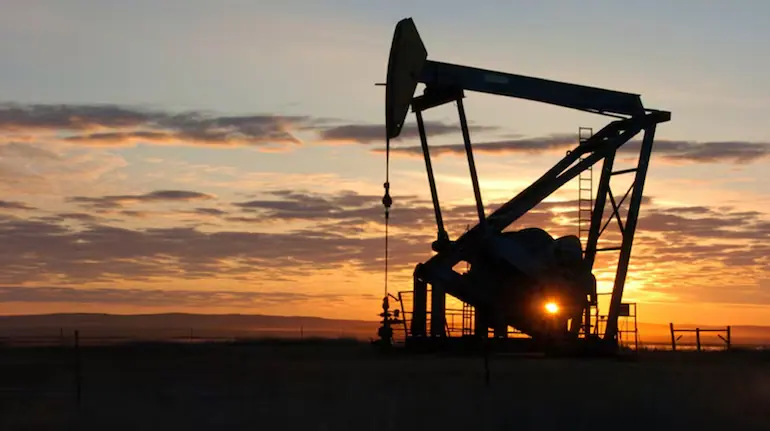
oil prices fell by more than 3% on Monday, November 2, as diplomatic discussions involving Iranian and Qatari officials raised hopes of progress towards ending the US-Israeli war on Iran. The developments temporarily eased concerns about further disruption to Global Energy supplies, putting pressure on crude prices after a strong rally in October.
Brent crude futures, the global oil benchmark, declined 3.05% to around $110 a barrel at approximately 9:30 am. US West Texas Intermediate (WTI) crude fell 3.10% to $100.90 a barrel.
The decline followed a sharp increase in oil prices last week, when Brent ended October at its highest level in six months. Investors had been concerned about a possible military escalation between the United States and Iran after Tuesday’s US midterm elections and the potential consequences for energy exports from the Middle East.
Diplomatic Hopes Ease Immediate Supply Concerns
The latest decline in crude prices came as Iranian and Qatari officials held discussions for a third consecutive day on efforts to advance a deal that could help end the conflict.
The talks are aimed at creating conditions for the resumption of direct negotiations between Tehran and Washington, with Qatar playing a mediating role. The prospect of diplomatic progress has offered some relief to energy markets, which have been closely monitoring developments in the Gulf.
Tim Waterer, chief market analyst at KCM Trade, described the decline as a combination of technical correction following last week’s gains and renewed optimism about diplomatic efforts.
“Oil is seeing a technical pullback this morning after last week’s strong gains,” Waterer said, according to Reuters.
He added that hopes of diplomatic progress, alongside the absence of significant military escalation over the weekend, had reduced some immediate upward pressure on prices.
However, the improvement in sentiment does not mean that geopolitical risks have disappeared. Market participants remain concerned that a breakdown in negotiations or renewed military action could quickly reverse the decline.
Iran-Qatar Talks Keep Strait of Hormuz in Focus
The diplomatic discussions are taking place against the backdrop of continuing threats to maritime trade through the Strait of Hormuz, one of the world’s most important routes for international oil shipments.
Attacks on commercial vessels and concerns about maritime security have increased shipping rates and energy transportation costs. Any prolonged disruption in the waterway could affect crude exports from major producers in the Gulf and create additional uncertainty for global energy markets.
Iranian Foreign Minister Abbas Araqchi said on Sunday that the discussions were ongoing and progressing. He indicated that the efforts were intended to maintain dialogue through Qatari mediation, while stressing that Tehran remained prepared for both defence and diplomacy.
The Strait of Hormuz remains central to the market outlook because of the volume of energy shipments that pass through it. Even without a complete closure, security threats and restrictions on vessel movements can increase insurance premiums, freight costs and delivery uncertainty.
For oil traders, the key question is whether diplomatic efforts can reduce the risk of further attacks and restore confidence in the uninterrupted movement of energy supplies.
OPEC+ Keeps December Production Targets Unchanged
Separately, the Organisation of the Petroleum Exporting Countries and its allies, known as OPEC+, decided on Sunday to maintain its December production targets without changes.
The decision was in line with market expectations and indicated that the producer alliance would avoid an immediate adjustment to its planned output levels as it navigates the effects of the Iran war on exports and regional supply chains.
The conflict has complicated the global supply outlook, with disruptions affecting energy transportation and raising uncertainty over how much crude can reach international markets. Maintaining existing production targets gives producers a more predictable framework while geopolitical conditions remain unsettled.
However, production targets and actual export volumes are not necessarily the same. Maritime security problems and logistical restrictions can prevent available supplies from reaching buyers even when producers maintain their planned output.
Saudi Arabia’s October Crude Exports Show Increase
Ship-tracking data cited by Reuters indicated that Saudi Arabia increased its crude exports in October compared with September, according to two of the three monitoring firms referenced in the report.
The increase came despite continued concerns about attacks on Saudi energy infrastructure by Iran-backed Houthi forces in Yemen. The data suggest that Saudi exports were able to rise during the month, although security risks surrounding regional energy facilities and shipping routes remain significant.
Saudi Arabia is an important participant in global oil markets, and developments affecting its production, exports and transport infrastructure can influence expectations about available supplies.
For investors, the latest export figures provide another factor to consider alongside diplomatic developments and the security situation around the Strait of Hormuz.
Brent Crude Could Approach $120 if Tensions Escalate
Despite Monday’s decline, analysts have warned that crude prices could rise again if tensions involving Iran intensify after the US midterm elections.
Waterer cautioned that renewed military escalation or stronger rhetoric surrounding Iran could push Brent crude towards $120 a barrel. Such a move would reverse part of the relief-driven decline and could increase pressure on energy-importing economies.
The Oil Market is therefore facing two competing forces. Diplomatic progress could reduce the geopolitical risk premium built into crude prices, while renewed attacks or threats to shipping could raise concerns about supply shortages and transportation disruptions.
The direction of prices will depend heavily on developments across the Gulf, the outcome of the Iran-Qatar diplomatic efforts and whether the parties involved move towards negotiations or further confrontation.
What Investors Will Watch in the Coming Days
Crude oil traders are likely to remain focused on several developments as the week progresses. The first is whether Iranian and Qatari officials can make further progress towards facilitating direct discussions between Tehran and Washington.
The second is the security situation around the Strait of Hormuz, where any fresh attacks or restrictions on commercial shipping could quickly affect supply expectations and freight costs.
Investors will also monitor the potential for military escalation following the US midterm elections, along with updates on Saudi export activity and OPEC+ production policy.
Monday’s fall in Brent and WTI prices reflects a temporary improvement in market sentiment rather than a complete resolution of the supply risks associated with the conflict. Until there is greater clarity on diplomacy and maritime security, crude prices are likely to remain sensitive to developments across the Middle East.
For breaking news and live news updates, like us on Facebook or follow us on Twitter and Instagram. Read more on Latest Business on thefoxdaily.com.






COMMENTS 0