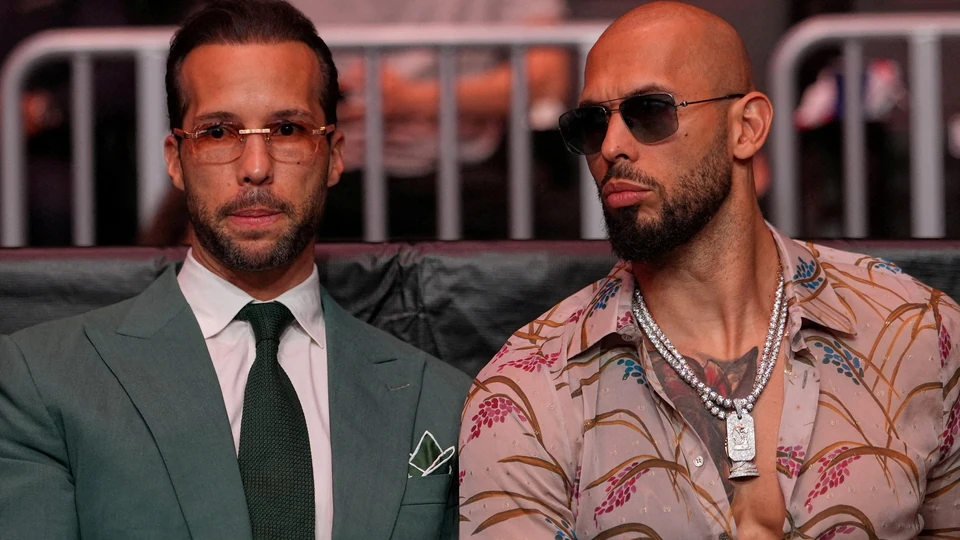
The manosphere has evolved from a collection of online communities discussing masculinity and dating into a highly profitable digital industry built around male insecurity. Influencers promote images of extreme wealth, physical perfection, sexual confidence and financial success, while selling products and services that promise followers a path towards the same lifestyle.
Figures such as Andrew and Tristan Tate have become prominent faces of this culture, using luxury cars, expensive holidays and displays of cryptocurrency wealth to attract attention. Yet the image presented on Social Media does not always reflect reality. In a legal filing submitted in August, lawyers for the Tate brothers acknowledged that some of the supercars and yachts featured in their videos were rented or provided through paid promotions, arguing that the brothers were effectively playing a role to market businesses that teach men how to make money.
The brothers have been held in detention since July as Britain seeks their extradition to face rape and sex-trafficking charges, which they deny. Their legal situation is separate from the broader commercial ecosystem they helped popularise, but their social-media strategy illustrates how carefully constructed displays of wealth can become marketing tools.
Across YouTube, TikTok, Instagram, Facebook and livestreaming platforms, the manosphere has developed a business model that turns insecurity into attention, attention into influence and influence into revenue. Its earnings come from advertising, sponsorships, paid communities, online courses, supplements and, increasingly, gambling partnerships.
What Is the Manosphere and Why Is It Growing?
The term manosphere describes a loosely connected collection of online creators, communities and platforms focused on masculinity, male identity, dating, relationships, self-improvement and men’s social status. It includes relatively mainstream motivational personalities as well as controversial influencers who promote aggressive ideas about gender, wealth and relationships.
There is no single ideology shared by everyone in this space. Some creators concentrate on fitness, grooming, confidence or entrepreneurship. Others build their brands around hostility towards women, rigid ideas of male dominance or the claim that modern society has disadvantaged men.
What connects many of these personalities is the commercial value of addressing problems that young men may already feel anxious about. A viewer worried about his appearance can be directed towards grooming products or cosmetic advice. Someone struggling with dating may be encouraged to buy a relationship course. A person concerned about money may be shown videos promising financial independence through online businesses or cryptocurrency.
The broader manosphere attracted renewed attention during the 2024 US presidential election, when some commentators argued that male-oriented podcasters and online personalities, including Joe Rogan, helped Donald Trump connect with younger male voters. However, the ecosystem is not primarily political. Many of its most visible creators are more interested in selling products, building audiences and securing commercial partnerships than promoting a particular political programme.
Its central commercial opportunity lies in presenting personal dissatisfaction as a problem that can be solved through consumption. The message is often that a man can become more attractive, respected, wealthy or powerful if he follows the right influencer, purchases the right product or adopts the right lifestyle.
Social Media Algorithms Help Manosphere Content Reach Young Men
The growth of the manosphere is closely connected to recommendation algorithms on short-video platforms. A young man searching for advice about earning money, improving his appearance or finding a relationship may quickly encounter content that promotes highly rigid ideas about masculinity.
A 2024 study by researchers at Dublin City University examined how recommendation systems exposed users to this material. The researchers created dummy male accounts on YouTube Shorts and TikTok and monitored the content recommended to them. All the accounts were shown manosphere videos within 26 minutes.
The recommended material included videos promoting an so-called alpha-male lifestyle and content disparaging women. The findings highlighted how quickly users can encounter this type of content even when they have not deliberately sought out an entire manosphere community.
This matters commercially because short videos can introduce an influencer to millions of potential customers without requiring viewers to follow the creator first. A provocative clip may attract attention, while longer videos, livestreams and external links provide opportunities to promote paid products.
According to data provider Fabric Media, ten leading manosphere influencers collectively received 3.4 billion views across YouTube, TikTok, Instagram and Facebook during the year covered by its figures. Their actual reach may be higher because popular creators also rely on independent video editors known as clippers.
Clippers take longer videos, podcasts and livestreams and turn them into short clips designed to circulate across social media. The practice allows a creator’s message to spread through numerous accounts, including pages that are not officially controlled by the influencer.
Aleksa Ibrahimović of Cliptic, a company providing clipping services, says leading influencers in manosphere-related categories can spend around $500,000 a month paying clipping companies and competitors to distribute their content.
That spending reveals an important feature of the industry: influencers are not simply waiting for algorithms to recommend their videos. Some invest heavily in making sure their content appears repeatedly across different feeds and platforms.
How Manosphere Influencers Turn Views Into Money
Large audiences create several revenue opportunities. Advertising payments are one source, but they are often only a part of the business. Sponsorships, product promotions, subscriptions and direct sales can generate additional income.
For example, Clavicular, an influencer associated with the online looksmaxxing movement, has promoted streetwear brand YoungLA. Looksmaxxing refers to efforts to improve physical appearance, sometimes through grooming, fitness and skincare, but also through more extreme practices.
The Fresh and Fit podcast, which markets itself as a men’s self-improvement programme, has worked with skincare company Tiege Hanley and erectile-dysfunction treatment seller BlueChew. These partnerships show how audiences built around dating, masculinity and appearance can become commercially attractive to businesses selling products connected to those concerns.
The marketing opportunity is not limited to established consumer brands. Influencers can also sell their own courses, supplements, memberships and advice programmes, giving them greater control over the products promoted to their followers.
However, controversial personalities often face restrictions from mainstream advertisers. Publicist Mitchell Jackson, who represents Clavicular and other edgy public figures, believes major brands may eventually become more willing to work with controversial creators, just as they gradually embraced ordinary social-media influencers.
Jackson argues that controversial celebrities can have stronger commercial instincts than less provocative public figures. His view reflects the calculation behind the industry: controversy can make a personality more recognisable, generate discussion and keep audiences engaged.
Why Controversy Can Become a Profitable Marketing Strategy
Traditional advertising generally encourages companies to avoid personalities associated with offensive or politically sensitive content. The manosphere often operates differently. Some influencers deliberately push boundaries, understanding that outrage can increase visibility even when it damages their reputation among mainstream audiences.
In January, a video showing several prominent manosphere figures partying to a song titled “Heil Hitler” went viral. Such incidents can generate widespread criticism, but they can also introduce creators to audiences who might never have encountered them otherwise.
A report published this summer by advocacy organisations Equimundo and Reset Tech highlighted the financial incentives that can encourage influencers to pursue controversy. Scandals can produce substantial increases in income by driving attention towards creators and their commercial activities.
This creates a difficult incentive structure. A creator may face criticism, lose advertising opportunities or be removed from a mainstream platform, yet still benefit financially if the controversy increases the number of people watching their content.
In this environment, negative attention is not always a commercial failure. For some influencers, it can become another way to maintain relevance and attract paying followers.
Platform Bans Push Controversial Influencers Towards Kick
As mainstream platforms tighten their rules, some controversial creators have moved towards services that offer different moderation policies and more generous revenue-sharing arrangements.
Adin Ross, a prominent livestreamer, was banned from Twitch in 2023 after showing an unmoderated chat containing slurs on screen. He initially said the ban was imposed “for no reason”, later apologised and was eventually reinstated.
Clavicular was removed from YouTube for what the platform described as “facilitating access to websites that violate our illegal or regulated goods or services policies”. His real name is Braden Peters, and he has disputed the suggestion that he deliberately violated YouTube’s rules. Peters was also indicted on two counts of alleged rape in November, charges he denies.
For creators who lose access to mainstream platforms, alternative services can provide a way to continue broadcasting and collecting money from followers.
One important destination has been Kick, a livestreaming platform that has attracted several personalities who have faced restrictions elsewhere. Its financial model is particularly attractive to creators because it allows them to retain 95% of subscription revenue.
By comparison, YouTube gives video creators 55% of advertising revenue generated by their channels and 70% of membership fees. Kick says its creator programme has paid $400 million to streamers.
The difference in revenue-sharing arrangements can make a smaller but highly committed audience financially valuable. A creator may lose some casual viewers after leaving a mainstream platform but retain a larger proportion of the money generated by paying subscribers.
This helps explain why platform restrictions do not necessarily eliminate the commercial influence of controversial personalities. Instead, they can shift their businesses towards services where the financial incentives and moderation environment are different.
Online Casinos Have Become a Major Part of the Manosphere Business Model
One of the most significant commercial connections in the manosphere ecosystem is online gambling. Several prominent creators have built relationships with online casinos, including Stake and competitors such as Rainbet.
Kick streamers often spend considerable portions of their broadcasts playing casino games on Stake. The relationship is particularly important because Kick and Stake share a parent company, creating a commercial connection between the streaming platform and the gambling business.
The arrangement can create a continuous promotional cycle. Influencers broadcast themselves playing casino games, viewers become familiar with the gambling platform and some may follow the creator’s example by signing up and depositing money.
Peters has streamed himself playing Stake games on Kick. At the beginning of 2026, he said the platform was paying him more than $100,000 a month. His example illustrates the scale of commercial incentives available to creators who can direct large audiences towards gambling services.
Stake’s co-founder Ed Craven shared figures from a third-party website in December last year that placed customer deposits on the platform at nearly $18 billion, compared with approximately $4 billion for its next-largest competitor. These figures indicate the scale of the business, although customer deposits should not be confused with company revenue or profit.
The relationship between influencers and casinos is commercially powerful because gambling content can be presented as entertainment. Viewers see creators celebrating wins, reacting to big bets and continuing to play in front of an audience. The financial risks of gambling may receive less attention than the excitement of a potential payout.
How Stake Uses Different Gambling Rules Around the World
Stake has expanded internationally through a business structure that operates across jurisdictions with different rules governing online gambling. Its parent company, Easygo, is based in Australia, although Stake’s website states that it does not endorse or promote gambling activities in Australia.
Many of the platform’s overseas affiliates operate from jurisdictions with more permissive gambling frameworks, including Curaçao and Cyprus. In certain markets, Stake operates as a cryptocurrency casino, allowing users to place bets using digital currencies.
Its US business uses a different structure. Stake.us relies on a sweepstakes model, which is designed to operate within a legal framework that distinguishes promotional games from conventional online casino gambling.
Under this arrangement, users purchase Gold Coins, which have no monetary value and can be used to play games. They also receive Stake Cash as a bonus. Stake Cash can be used for additional gameplay and may be eligible for redemption for cryptocurrency or conventional currency, subject to the platform’s rules.
The structure has attracted scrutiny from several American states, which allege that the arrangement violates laws prohibiting online gambling. The central legal question is whether the sweepstakes model genuinely falls within the relevant exemptions or effectively functions as an online casino.
The distinction matters because online gambling rules vary considerably between US states. A business model accepted in one jurisdiction may face legal challenges in another, making regulatory uncertainty an important part of the industry’s expansion.
Influencer Promotions and Questions About Gambling Transparency
Influencer marketing has played an important role in Stake’s growth. Easygo’s marketing chief acknowledged in an interview last year that streamers directing their audiences towards the platform had contributed significantly to its success.
However, the way gambling streams are presented has raised questions about whether viewers understand the financial arrangements behind the broadcasts.
Stake streamers can appear to win large amounts of money during live sessions, creating the impression that gambling is an easy way to make substantial returns. Yet the financial circumstances behind those sessions may not always be clear to viewers.
One lawsuit has alleged that prominent streamers appear to be gambling with money supplied by the casino rather than their own funds. Stake has denied the allegation.
If viewers cannot distinguish between a creator’s personal gambling activity and promotional arrangements, they may misunderstand the risks involved. A streamer displaying large wins does not demonstrate that ordinary users can expect similar results.
The commercial relationship also raises questions about how clearly sponsored gambling content is disclosed and whether young audiences understand that the entertainment they are watching may be part of a paid marketing arrangement.
Looksmaxxing and Gambling: Two Sides of the Same Commercial Strategy
The manosphere’s influence extends beyond online casinos. Its creators frequently promote products that appeal to men concerned about their appearance, social status and romantic prospects.
Looksmaxxing content is one example. Influencers encourage followers to improve their appearance through fitness, skincare, hairstyles and other grooming practices. Some promote products such as hair-loss treatments and supplements, while more extreme content can encourage unrealistic expectations about physical perfection.
The commercial logic resembles gambling promotions in an important way: both target an area where people may feel dissatisfied with their current circumstances and present a product or service as a possible route to improvement.
A man worried about hair loss may be encouraged to purchase a treatment. Someone dissatisfied with his dating life may be directed towards a paid course. A follower hoping to become wealthy may encounter casino streams portraying gambling as an exciting opportunity to make money.
These products and activities are very different, and their risks should not be treated as identical. However, they can operate within the same attention economy, where personal insecurity creates demand and influencers turn that demand into commercial opportunities.
A poll conducted this year found that one-third of Americans expected better returns from gambling than from the stock market. The finding suggests that perceptions of gambling as a financial opportunity extend beyond the audiences of individual influencers.
The Business of Male Insecurity Is Bigger Than Individual Influencers
The manosphere’s commercial success does not depend entirely on the wealth or credibility of its most recognisable personalities. Even when an influencer’s luxury lifestyle is partly staged, the wider industry can continue generating money through advertising, sponsorships, subscriptions, merchandise and gambling partnerships.
Its business model benefits from a combination of algorithm-driven discovery, repeated exposure and products that promise personal transformation. A viewer may initially watch a video for entertainment before gradually becoming part of an audience that follows the creator’s recommendations and purchases promoted products.
Controversy can strengthen this cycle by generating additional attention, while alternative platforms allow creators to maintain their businesses when mainstream services impose restrictions.
The role of online casinos adds another dimension. Instead of simply selling advice or consumer products, influencers can direct followers towards platforms where users risk their own money. The creator may receive a promotional payment even when viewers lose money.
Ultimately, the manosphere is not just a debate about masculinity or internet culture. It is also an increasingly sophisticated commercial ecosystem that understands how insecurity, aspiration and social-media attention can be converted into revenue.
The luxury cars, expensive watches and apparent financial success displayed by influencers may not always tell the full story. But the business built around those images is very real. Its greatest asset is an audience of people searching for confidence, money, attractiveness and social acceptance and its most effective sales pitch is the promise that buying into an influencer’s world can help them achieve all four.
For breaking news and live news updates, like us on Facebook or follow us on Twitter and Instagram. Read more on Latest Business on thefoxdaily.com.






COMMENTS 0