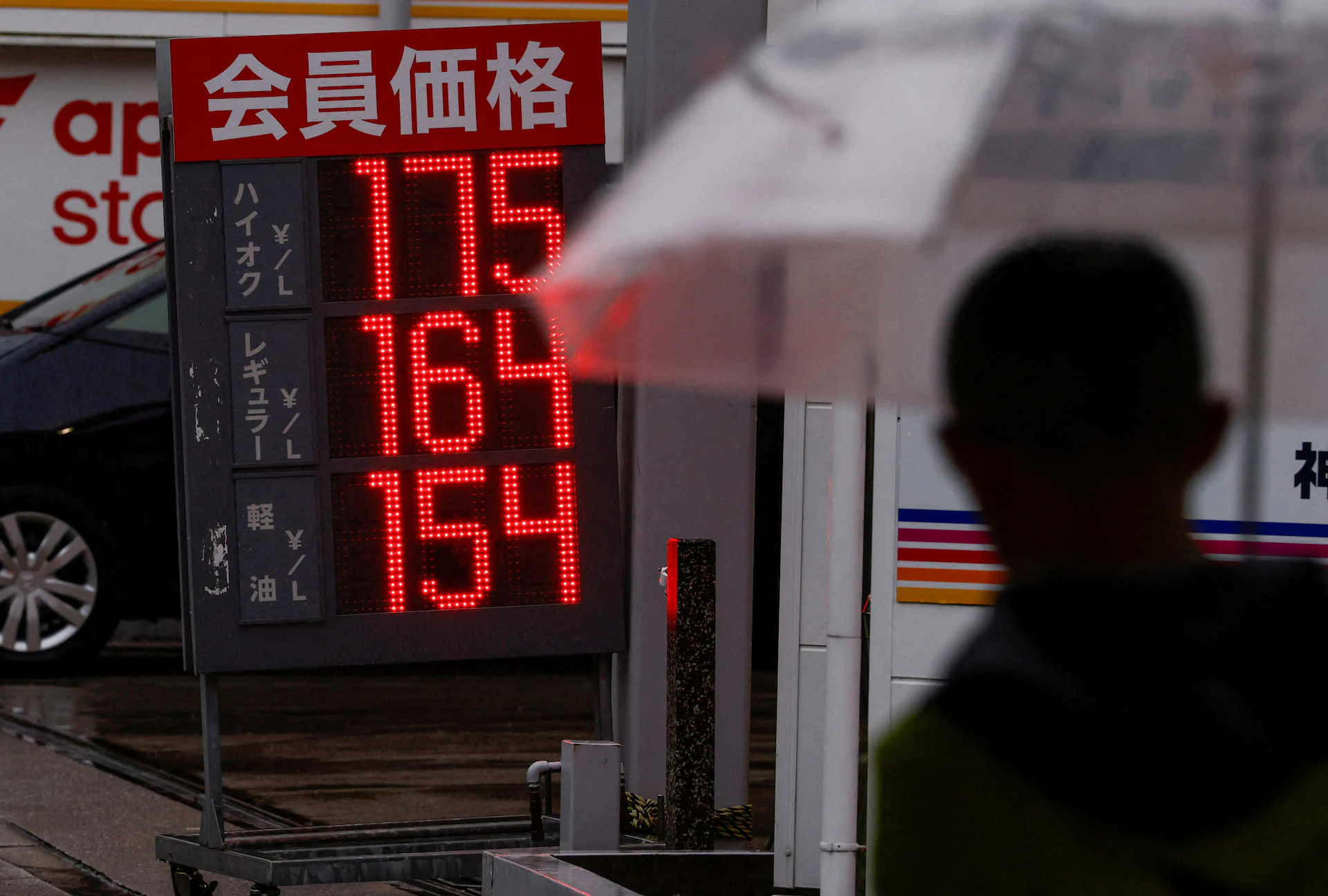
Japan’s government is considering gradually reducing gasoline subsidies from as early as December as the cost of maintaining the emergency support programme continues to rise, according to two ruling party officials familiar with the discussions. The potential changes could push Fuel Prices higher for households and businesses already facing elevated energy costs.
The government introduced the subsidies in March to protect consumers and businesses from a sharp increase in oil prices following the outbreak of the US-Israeli war with Iran. However, persistently high crude oil prices have made the programme increasingly expensive, raising concerns that its funding could eventually run out.
Japan Considers Gradual Reduction in Gasoline Subsidies
Under a proposal being discussed by the government and the ruling coalition, weekly subsidies paid to fuel distributors could be reduced gradually from December. The proposed changes would allow gasoline prices to rise in stages rather than ending the support programme immediately.
According to the officials, who spoke on condition of anonymity because the discussions remain private, the nationwide average retail price of regular gasoline could increase to around 175 yen per litre in December and 180 yen per litre in January.
The government currently aims to keep the average price at approximately 170 yen per litre, equivalent to about $1.09. Any reduction in subsidies would gradually shift more of the cost of elevated oil prices onto consumers.
The proposal remains under consideration, and the government has not announced a final decision. Japan’s Agency for Natural Resources and Energy did not immediately comment on the discussions.
Rising Costs Put Pressure on Government Funding
Maintaining the gasoline subsidy programme is costing the Japanese government several billion dollars each month. The expense is rapidly drawing down the 3.1 trillion yen supplementary budget approved in June to finance the measure.
With crude oil prices remaining elevated, officials are increasingly concerned about how long the government can continue supporting fuel prices at their current level. Gradually reducing subsidies could ease pressure on public finances while allowing the government to retain some support for households and businesses.
However, higher gasoline prices could increase transport and operating expenses for businesses that depend on fuel. Households could also face additional pressure on their budgets, particularly if energy costs remain high alongside other everyday expenses.
Planned Food Tax Cut Influences Subsidy Discussions
The debate over gasoline subsidies comes ahead of Prime Minister Sanae Takaichi’s planned reduction in the consumption tax on food and beverages from April next year.
One of the officials said the government wants to reduce gasoline subsidies as much as possible before the food tax cut begins, arguing that the tax change should ease some of the financial pressure on households.
The planned tax reduction and the potential fuel subsidy changes form part of the government’s broader effort to manage the Cost of Living while controlling the expense of emergency support measures. However, the overall effect on household finances will depend on the timing and scale of both policies, as well as movements in energy prices.
Japan Considers Renewed Support for Electricity and Gas Bills
Alongside discussions about reducing gasoline subsidies, the Japanese government is examining other ways to protect households from rising energy costs. One option under consideration is reintroducing subsidies for gas and electricity bills, which expired in September.
Renewed support for household energy bills could help offset some of the impact of higher fuel prices, although the government has not confirmed whether the measures will be reinstated.
The discussions highlight the challenge facing Japanese policymakers as they attempt to balance cost-of-living relief with the growing expense of government assistance. Reducing gasoline subsidies could help preserve public funds, but it may also increase costs for consumers before other planned measures take effect.
What the Potential Changes Mean for Consumers
If the proposal moves forward, Japanese motorists could see gasoline prices rise from around 170 yen per litre to approximately 175 yen in December and 180 yen in January. The increases would reflect a gradual reduction in the government’s contribution to fuel costs rather than a complete withdrawal of support at once.
For businesses, higher fuel prices could add to transportation and operating expenses, while households may need to adjust spending to accommodate more expensive petrol. The possible return of electricity and gas subsidies could provide some relief, but the timing and details remain uncertain.
For now, the proposal is still under discussion, and the final policy will depend on decisions by the Japanese government and ruling coalition. The coming weeks will be important in determining how Japan manages its costly fuel support programme as it prepares for the planned consumption tax reduction next year.
For breaking news and live news updates, like us on Facebook or follow us on Twitter and Instagram. Read more on Latest Business on thefoxdaily.com.






COMMENTS 0