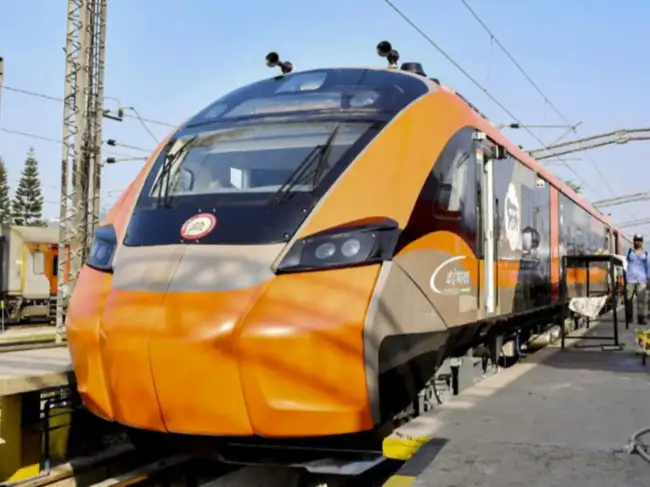
Western Railway is planning to develop a Rs 98 crore Vande Bharat maintenance and coaching depot at Lower Parel (Currey Road) in Mumbai, a project expected to strengthen the city’s railway infrastructure and increase the capacity to operate long-distance trains from Dadar. Spread across approximately 55,000 square metres, the proposed facility will include dedicated maintenance lines, stabling infrastructure and repair facilities for trains.
The project is expected to support the maintenance requirements of Vande Bharat services while creating additional capacity for long-distance trains originating from Dadar. By developing a dedicated coaching and maintenance facility, Western Railway aims to improve train handling arrangements and make better use of the existing railway network in Mumbai.
The proposed depot will include two full-length pit lines, six stabling lines, two sick lines and a shunting neck. Its development is planned in two phases, allowing the railway administration to establish the required infrastructure in stages.
The project is particularly significant for Mumbai because railway operations in the city depend on efficient use of limited space. Additional maintenance and stabling facilities could help reduce operational constraints and create opportunities to introduce more long-distance services.
Lower Parel Vande Bharat Depot Project to Be Developed in Two Phases
Western Railway’s proposed depot at Lower Parel, near Currey Road, will cover around 55,000 square metres and require an estimated investment of Rs 98 crore. The facility is being planned to accommodate the maintenance and coaching requirements of Vande Bharat trains and support wider railway operations.
The two-phase development approach is expected to help organise construction and infrastructure work. The depot will require specialised tracks and facilities to handle trains that need routine maintenance, inspection, cleaning and repairs before returning to passenger service.
According to the proposed infrastructure plan, the depot will include the following facilities:
- Two full-length pit lines: These will be used for the maintenance and inspection of Vande Bharat trainsets. Pit lines allow railway staff to examine and service components underneath trains.
- Six stabling lines: These will provide space to accommodate trains when they are not operating passenger services or are awaiting maintenance and preparation.
- Two sick lines: These will be used for trains requiring repairs or attention after technical problems are identified.
- One shunting neck: This track arrangement will help move trains between different lines within the depot and support operational movements.
Together, these facilities are intended to create a dedicated space for handling train maintenance and movements. The availability of multiple stabling lines could also help Western Railway manage additional trainsets without placing further pressure on existing facilities.
The two pit lines will be particularly important for Vande Bharat services because modern trainsets require specialised inspection and maintenance arrangements. Regular servicing helps identify technical issues, maintain operational reliability and prepare trains for scheduled journeys.
The sick lines will provide a separate arrangement for trains requiring repairs, reducing the need to use regular stabling or maintenance tracks for every type of technical work. Meanwhile, the shunting neck will help staff move trains within the depot more efficiently.
How the New Lower Parel Depot Will Boost Dadar Train Capacity
One of the main objectives of the proposed Lower Parel depot is to strengthen Dadar’s ability to originate primary-maintained long-distance trains. Primary maintenance refers to the comprehensive maintenance and preparation of a train at its originating location before it begins its scheduled service.
Such maintenance arrangements are important for long-distance trains because they involve detailed inspections, cleaning, servicing and other operational checks. Adequate infrastructure is required to prepare trainsets before passengers board and the service departs.
When maintenance and stabling capacity is limited, railway authorities may face difficulties in accommodating additional trains. A dedicated depot can help address some of these constraints by providing separate infrastructure for train preparation and servicing.
The Lower Parel facility is expected to support Dadar by providing additional space and maintenance infrastructure. This could allow Western Railway to handle more primary-maintained long-distance trains from the station and create scope for additional services from Mumbai.
Increasing the number of trains that can be originated from Dadar could also improve operational flexibility. Railway authorities may have more options when planning train schedules, allocating trainsets and managing maintenance requirements.
However, the actual increase in train services will depend on several factors beyond depot capacity. These include track availability, platform capacity, timetable coordination, trainset availability and the ability to manage train movements across the wider railway network.
The depot should therefore be viewed as an infrastructure investment that could support future expansion rather than an automatic guarantee of a specific number of additional trains.
New Depot to Be Connected to Dadar and Mumbai Central
The proposed Lower Parel depot is expected to support railway operations involving important stations in Mumbai, particularly Dadar and Mumbai Central. Its location is significant because it could provide additional maintenance and stabling capacity within an already busy railway corridor.
Dadar is an important railway station in Mumbai, serving passengers travelling to different parts of the country. It handles long-distance train services as well as suburban railway traffic, making efficient train management essential for its operations.
Mumbai Central is another major railway terminal in the city. Coordinating train movements and maintenance arrangements between railway facilities in this area requires careful planning, particularly when passenger services and operational requirements compete for available track space.
A dedicated facility at Lower Parel could help Western Railway organise train preparation and movement arrangements more effectively. The proposed connections and operational integration with Dadar and Mumbai Central are expected to support the wider railway network.
Improved access to maintenance infrastructure can also help railway authorities manage trainsets between scheduled services. Instead of relying entirely on existing facilities, additional depot capacity could provide more flexibility in allocating trains and planning their movements.
However, the benefits will depend on how the depot is integrated into the existing track network and how train movements are coordinated with other services. Railway operations in Mumbai involve multiple stations, routes and competing demands, making infrastructure planning an important part of the project.
Why the Lower Parel Depot Project Matters for Mumbai Railways
Mumbai’s railway network carries a substantial volume of passenger traffic and plays a major role in connecting the city with destinations across India. As demand for long-distance services and modern trainsets grows, the availability of suitable maintenance infrastructure becomes increasingly important.
The proposed Rs 98 crore Lower Parel depot addresses this requirement by creating dedicated facilities for Vande Bharat train maintenance and coaching operations. Its planned 55,000-square-metre area will accommodate specialised tracks and supporting infrastructure that can help manage trainsets more efficiently.
1. Additional maintenance capacity
The two full-length pit lines and two sick lines will provide dedicated spaces for inspection, servicing and repairs. This can help railway staff organise maintenance activities and prepare trains for passenger operations.
2. More space for train stabling
Six stabling lines will provide additional space for trains when they are not in service. This is important because trainsets need suitable locations for parking, preparation and movement between scheduled journeys.
3. Support for additional long-distance services
By strengthening maintenance and coaching arrangements, the depot could help Dadar handle more primary-maintained long-distance trains. This may create opportunities for Western Railway to plan additional services from Mumbai, subject to wider operational capacity.
4. Better operational flexibility
The shunting neck and multiple dedicated lines could make it easier to move trains within the depot. Separating maintenance, stabling and repair activities may also help railway authorities organise daily operations more effectively.
5. Support for modern train operations
Vande Bharat trainsets require appropriate maintenance infrastructure. A dedicated depot can help provide the facilities needed to inspect and service these modern trains as their operations expand.
How Vande Bharat Maintenance Infrastructure Supports Train Services
Vande Bharat trains are designed for modern passenger operations and require regular technical inspections and servicing. Their maintenance involves checking mechanical and electrical systems, examining components and ensuring that the trainsets are ready for scheduled journeys.
Dedicated pit lines are useful because maintenance staff can access parts of the train that are difficult to inspect from ground level. This allows technical teams to carry out checks and servicing beneath the train while it is positioned on the maintenance track.
Stabling lines serve a different purpose. They provide space for trains that are temporarily out of service, awaiting their next scheduled journey or undergoing routine preparation. Having sufficient stabling capacity is important when several trainsets need to be managed at the same time.
Sick lines are intended for trains that require repairs. Keeping these trains in designated areas can help prevent repair work from interfering with routine maintenance and stabling activities.
The combination of these facilities at Lower Parel is expected to support more organised train handling. It could also help Western Railway prepare for the operational requirements associated with additional modern train services.
What the Rs 98 Crore Project Could Mean for Long-Distance Passengers
For passengers, the most important potential benefit of the project is the possibility of additional long-distance train services from Mumbai. Better maintenance and stabling arrangements can give railway authorities more flexibility when planning services and allocating trainsets.
Dadar’s ability to originate primary-maintained trains is particularly relevant because the preparation of long-distance services requires dedicated infrastructure. Additional capacity could help the station support more train operations without relying entirely on existing maintenance arrangements.
Passengers could eventually benefit from improved connectivity if the infrastructure supports the introduction of additional services. However, the project announcement does not establish specific new routes, destinations or train schedules.
The actual passenger benefits will depend on the completion of the depot, its operational integration and subsequent decisions by Western Railway regarding train services.
Lower Parel Vande Bharat Depot: What Happens Next?
The proposed depot represents an infrastructure investment aimed at strengthening Western Railway’s maintenance and coaching capacity in Mumbai. With an estimated cost of Rs 98 crore and an area of approximately 55,000 square metres, the project is expected to provide dedicated facilities for Vande Bharat trains and support additional long-distance operations.
The planned two-phase development will involve creating the required maintenance, stabling and repair infrastructure. Its effectiveness will depend on the execution of construction work and the integration of the facility with existing railway lines and stations.
For Dadar, the project could provide additional capacity to originate primary-maintained long-distance trains. For Mumbai’s wider railway network, it could improve the management of modern trainsets and create more flexibility for future service planning.
Although the depot will not automatically translate into a fixed number of new trains, it could address an important infrastructure requirement as railway authorities look to expand and modernise passenger services. The project therefore has the potential to play a significant role in strengthening Mumbai’s long-distance railway operations.
For breaking news and live news updates, like us on Facebook or follow us on Twitter and Instagram. Read more on Latest Business on thefoxdaily.com.





COMMENTS 0