Two senior Democratic senators have released a report alleging that oil and gas companies benefited from tax breaks, subsidies and environmental regulatory rollbacks after then-presidential candidate Donald Trump asked energy companies for $1 billion in campaign donations during the 2024 election campaign.
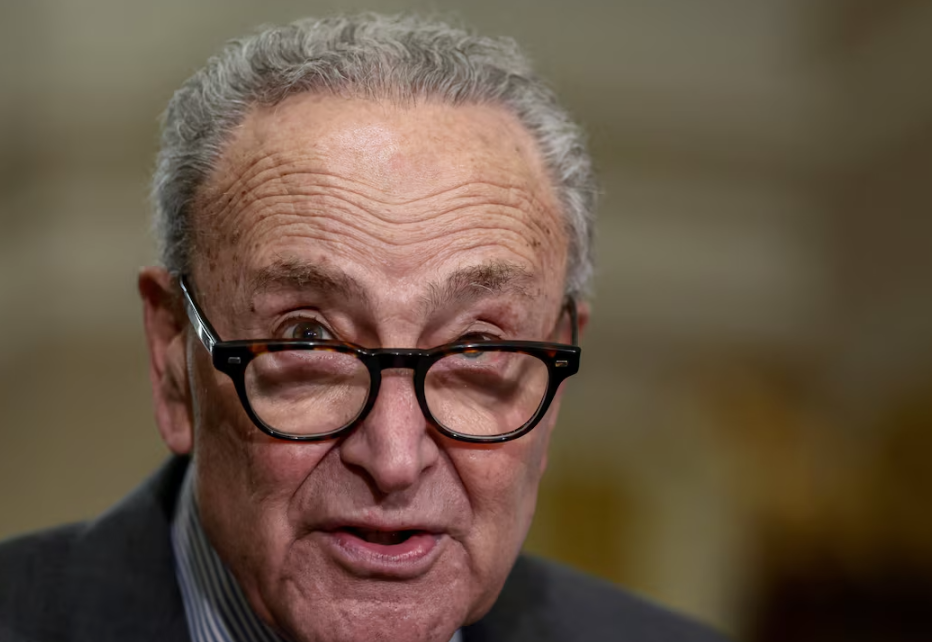
The report, released on September 24 by Senate Democratic Leader Chuck Schumer and Senator Sheldon Whitehouse, the top Democrat on the Senate environment committee, examines regulatory changes and other policies affecting the oil and gas industry under the Trump administration.
The allegations come as the administration continues to reverse several environmental policies introduced during Joe Biden’s presidency. The White House had not immediately responded to Reuters’ request for comment when the report was published.
Democrats Link Campaign Donations to Energy Policy Changes
The Democratic senators’ report argues that large campaign expenditures by energy companies were followed by policies that benefited the oil and gas industry.
According to the report, the lawmakers examined regulatory rollbacks, tax breaks and subsidies and compared those actions with campaign spending tracked after Trump’s request for donations from energy companies.
The report says the investigations included 19 reviews of actions by the Environmental Protection Agency (EPA), 13 investigations involving nine other federal agencies and 13 probes into what the senators described as 88 polluters.
The senators characterized the findings as evidence of a major transfer of economic benefits toward fossil-fuel companies and away from consumers and the wider public.
These conclusions are the lawmakers’ interpretation of the investigations. The report itself does not establish that individual regulatory decisions were made in exchange for specific campaign contributions.
Trump Asked Energy Companies for $1 Billion
At the centre of the Democratic report is Trump’s reported request for $1 billion in campaign contributions from oil and gas companies during the 2024 presidential campaign.
The senators argue that the request and subsequent policy changes warrant congressional scrutiny because the energy industry could benefit financially from lower regulatory requirements and policies encouraging greater fossil-fuel production and consumption.
The report tracked hundreds of millions of dollars in campaign spending and compared those contributions with policies affecting the industry.
The Democratic lawmakers said the policies could produce significant financial benefits for energy companies through tax provisions, subsidies and reduced regulatory costs.
What the EPA Has Changed
The report comes shortly after the EPA announced major changes to greenhouse-gas regulations for fossil-fuel-fired power plants.
On September 14, EPA Administrator Lee Zeldin announced the repeal of most of the Biden administration’s 2024 greenhouse-gas requirements for power plants. The EPA said the action could save the power sector and Americans up to $310 billion. The agency also proposed rescinding remaining greenhouse-gas standards for the power sector. 0
The EPA’s proposed additional changes would eliminate another set of greenhouse-gas requirements if finalized. The agency estimates that proposal would save about $370 million in direct compliance costs over 20 years. 1
The administration describes the changes as an effort to reduce regulatory costs, expand energy production and support reliable and affordable electricity.
EPA Says Rollbacks Will Reduce Industry Costs
The EPA has presented the regulatory changes from a different perspective than the Democratic Senate report.
The agency says the repeal of the Biden-era power-plant requirements will reduce compliance costs and remove regulatory barriers for coal and natural-gas power producers. The EPA estimates that its September 14 action could generate up to $310 billion in savings. 2
The agency also argues that increased availability of domestic energy could reduce costs across areas such as transportation, heating, utilities, farming and manufacturing.
These figures represent the EPA’s estimates of the economic effects of its policies rather than independently established outcomes. The agency’s assessment is therefore an important part of the policy debate but should be distinguished from the Democratic senators’ interpretation of the same broader regulatory changes.
Democrats Point to Potential Costs for Consumers
The Democratic report argues that the economic benefits of the regulatory changes should not be measured only through savings for energy companies.
Schumer and Whitehouse said consumers could ultimately bear costs through energy prices, reduced public services and longer-term environmental and health effects.
The report argues that weakening environmental rules can shift some costs away from regulated companies while leaving governments, consumers and communities to deal with potential consequences associated with pollution and climate-related impacts.
The administration, however, argues that environmental regulations can impose substantial compliance costs on energy producers and power plants and that reducing those costs can support more affordable and reliable energy supplies.
What the $370 Million Figure Represents
The $370 million figure cited in the latest debate relates to the EPA’s estimate of direct compliance-cost savings from its proposed additional repeal of greenhouse-gas standards for power plants.
It is separate from the EPA’s much larger estimate of up to $310 billion in savings associated with the final repeal of most of the 2024 carbon-pollution standards.
The distinction is important because the two figures relate to different parts of the EPA’s September 14 actions. The $370 million figure concerns the proposed additional action, while the $310 billion estimate relates to the final repeal and its broader projected economic effects. 3
Why the Regulatory Changes Matter for Oil and Gas Companies
Environmental regulations can affect energy companies through compliance requirements, technology investments, operating costs and decisions about whether to maintain or retire particular facilities.
Reducing regulatory requirements can therefore change the economics of operating fossil-fuel facilities. Companies may face lower compliance expenses or fewer requirements to install particular pollution-control technologies.
For the oil and gas sector, broader energy policies can also influence demand, investment decisions and the competitive position of fossil fuels compared with lower-carbon energy sources.
The Trump administration has said its regulatory approach is intended to increase domestic energy production and reduce costs. Democratic lawmakers argue that the same changes can create costs that are not reflected in companies’ balance sheets.
Report Could Shape Future Senate Hearings
The Democratic report could become part of the congressional debate over Energy Policy and regulatory oversight.
The senators said their investigations could provide the basis for hearings examining the relationship between campaign financing, government policy and the energy industry.
The timing is significant because the report was released ahead of the November 2026 midterm elections. The balance of power in Congress could affect which investigations and hearings receive priority after the election.
Any future congressional inquiry would have the opportunity to examine the underlying evidence, including campaign contributions, regulatory decisions, agency records and communications involving government officials and industry representatives.
What the Report Investigated
The report covers multiple areas of federal policymaking rather than focusing on a single regulation.
- EPA actions: The senators examined 19 investigations involving environmental regulatory changes.
- Other federal agencies: The report included 13 investigations involving nine other agencies.
- Polluters: The lawmakers said they conducted 13 probes into 88 companies or entities they identified as polluters.
- Campaign spending: The report tracked hundreds of millions of dollars in campaign spending following Trump’s request to energy companies.
- Economic benefits: The senators examined tax breaks, subsidies and regulatory changes that they said could benefit fossil-fuel companies.
The report’s conclusions reflect the Democratic senators’ analysis of these investigations. Further congressional proceedings could examine the evidence and the administration’s response in greater detail.
Trump Administration’s Energy Policy
The regulatory changes form part of the Trump administration’s broader energy policy, which places greater emphasis on fossil-fuel production and reducing regulations affecting energy companies.
The EPA has described its power-sector actions as a major deregulatory initiative designed to support coal and natural gas and reduce costs for businesses and households. 4
The administration has also argued that fossil-fuel power remains important for electricity reliability, manufacturing and national energy security.
Democrats have challenged the policy direction by emphasizing potential public-health and environmental consequences from weaker emissions regulations.
What Happens to the Power Plant Rules?
One portion of the EPA’s September action has already been finalized, while another remains a proposal.
The EPA finalized the repeal of most provisions of the 2024 Carbon Pollution Standards for fossil-fuel-fired power plants. At the same time, it proposed rescinding all remaining greenhouse-gas standards for the power sector. 5
The proposed portion is subject to a public hearing and a public comment period before the agency can take final action.
This distinction means that not every regulatory change discussed in the current political debate is already final. Some measures remain part of the federal rulemaking process.
Why Campaign Finance and Regulation Are Being Connected
The Democratic senators’ report highlights a broader question in US politics: how campaign contributions and lobbying by industries should be evaluated alongside government policy decisions.
Large industries frequently spend money on political campaigns, lobbying and advocacy. At the same time, government agencies regularly make decisions that affect those industries.
The existence of a political contribution and a subsequent policy benefiting the same industry does not by itself establish that the contribution caused the policy decision. Determining whether there was an improper exchange would require evidence concerning the decision-making process, communications, legal standards and other relevant facts.
That distinction is central to understanding the Democratic report and the broader debate surrounding it.
Key Questions Surrounding the Report
Several issues are likely to receive attention as lawmakers examine the report and the administration’s energy policies.
- What evidence connects campaign contributions to individual regulatory decisions?
- How much will companies actually save from the regulatory changes?
- How could the changes affect electricity and energy prices?
- What environmental and public-health effects could result from weaker emissions requirements?
- Which of the EPA’s proposed changes will ultimately become final rules?
- What congressional investigations or hearings could follow?
Two Different Views of the Same Policy Changes
The dispute over Trump’s energy policies reflects two substantially different interpretations of the consequences of deregulation.
The Trump administration and EPA emphasize lower compliance costs, increased energy production and reliable electricity. The EPA says its September actions could produce hundreds of billions of dollars in savings. 6
Democratic senators, meanwhile, argue that the financial benefits to energy companies need to be weighed against potential costs to consumers, public health and the environment.
The Biden administration previously estimated that its power-plant emissions rule would generate about $370 billion in benefits, including reduced medical expenses associated with air pollution, according to the Reuters report.
These competing estimates illustrate why the economic impact of environmental regulations remains a major policy dispute. The final effects will depend on factors including future energy prices, power generation, regulatory compliance, emissions and the implementation of the rules.
Bottom Line
Democratic senators Chuck Schumer and Sheldon Whitehouse have released a report alleging that oil and gas companies received substantial benefits from tax breaks, subsidies and environmental regulatory rollbacks after Donald Trump sought $1 billion in campaign donations from energy companies during the 2024 campaign.
The report comes as the Trump administration continues to reverse parts of the Biden-era environmental regulatory framework. The EPA recently finalized the repeal of most of the 2024 greenhouse-gas requirements for power plants and proposed eliminating remaining greenhouse-gas standards for the power sector. 7
The administration says the changes will reduce compliance costs and support reliable, affordable energy, while Democratic lawmakers argue that weaker regulations could shift environmental, health and economic costs onto consumers and the public.
The report is therefore likely to remain part of the congressional debate over Campaign Finance, energy policy, environmental regulation and the economic consequences of the Trump administration’s regulatory agenda.
Frequently Asked Questions
What did Democratic senators allege in their report?
Chuck Schumer and Sheldon Whitehouse said oil and gas companies benefited from tax breaks, subsidies and regulatory rollbacks after Donald Trump asked energy companies for $1 billion in campaign donations during the 2024 campaign.
Did the report prove that donations directly caused regulatory changes?
The report presents the senators’ analysis linking campaign spending with subsequent policy changes, but the existence of contributions and later policies benefiting the same industry does not by itself establish that a specific contribution caused a specific government decision.
What environmental rules has the Trump EPA recently changed?
On September 14, 2026, the EPA finalized the repeal of most of the Biden administration’s 2024 greenhouse-gas requirements for fossil-fuel-fired power plants and proposed rescinding remaining greenhouse-gas standards for the power sector. 8
How much does the EPA say its power-plant action could save?
The EPA estimates that the finalized repeal could save up to $310 billion, while its separate proposed repeal of remaining greenhouse-gas standards could save an additional $370 million in direct compliance costs over 20 years. 9
Why do Democrats oppose the regulatory rollbacks?
The Democratic senators argue that weaker environmental rules could reduce protections while shifting potential health, environmental and economic costs to consumers and the public.
What does the Trump administration say about the rollbacks?
The administration and EPA say the changes reduce regulatory burdens, lower compliance costs and support reliable and affordable energy supplies. 10
Could Congress investigate the issue further?
The Democratic senators said their report could inform future congressional hearings and oversight. The scope of any future investigations would depend on congressional developments after the November 2026 midterm elections.
Are all of the proposed environmental changes already final?
No. The EPA finalized the repeal of most provisions of the 2024 power-plant carbon standards, but its proposal to rescind remaining greenhouse-gas standards is still subject to the federal rulemaking process, including public participation. 11
“`12
For breaking news and live news updates, like us on Facebook or follow us on Twitter and Instagram. Read more on Latest Business on thefoxdaily.com.






COMMENTS 0