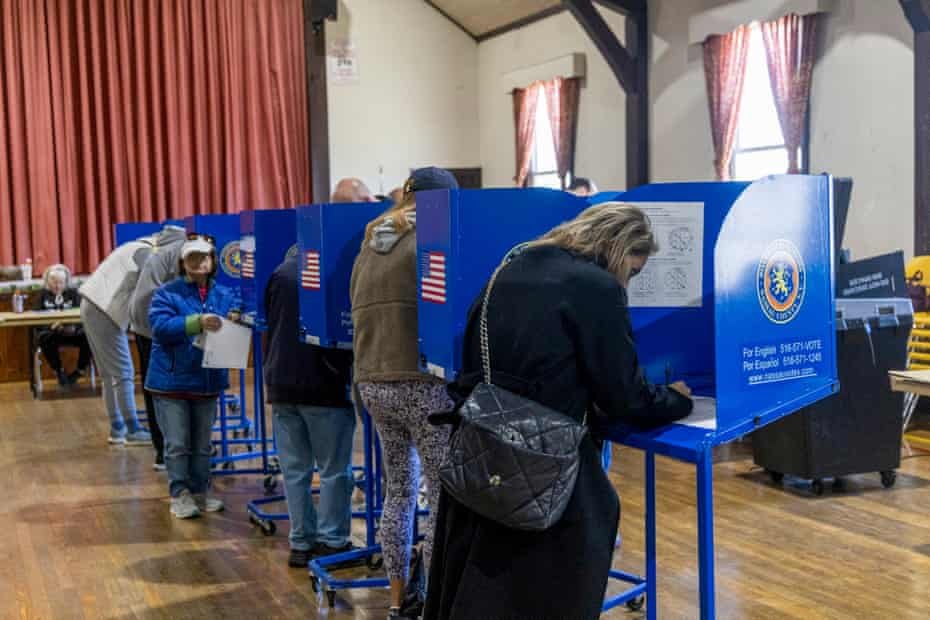
The latest US Supreme Court campaign finance ruling marks another significant shift in the long-running debate over money in American Politics. By allowing political parties greater freedom to spend in coordination with their own federal candidates, the decision adds a new chapter to decades of legal battles over the balance between free speech and anti-corruption safeguards.
The case centered on arguments that existing limits on coordinated political party spending no longer make sense in an era where Super PACs can raise and spend virtually unlimited amounts of money independently. Supporters of the challenge argued that political parties should enjoy the same constitutional protections when supporting their own candidates, while critics warned that removing these restrictions weakens important protections designed to prevent political corruption.
Why This Supreme Court Decision Matters
Campaign finance laws have long attempted to balance two competing goals. On one side is the constitutional protection of political speech under the First Amendment. On the other is the government’s responsibility to prevent corruption and maintain public trust in elections.
The Supreme Court’s latest ruling shifts that balance further toward expanded political spending rights. Supporters believe the decision removes outdated restrictions that placed political parties at a disadvantage compared to outside organizations. Critics argue that it opens additional pathways for wealthy donors to gain influence over elected officials.
Background: The Evolution of Campaign Finance Laws
The United States has repeatedly revised campaign finance rules following major political scandals and changing legal interpretations.
- Early reforms focused on preventing direct corporate influence in elections.
- The Watergate scandal led to stronger federal campaign finance regulations.
- Modern court decisions increasingly recognize political spending as protected speech.
- The growth of Super PACs dramatically changed how campaigns are financed.
As independent political committees gained the ability to raise unlimited funds, many legal experts questioned whether restrictions placed specifically on political parties remained effective.
The Central Legal Argument
Supporters of the challenge argued that federal law unfairly restricted political party committees from fully supporting candidates they officially nominate.
According to the plaintiffs, political parties exist specifically to organize, promote, and elect their own candidates. Limiting coordinated spending, they argued, creates an artificial barrier that no longer serves its original purpose given today’s campaign finance landscape.
They also maintained that independent organizations can already spend enormous sums influencing elections, making stricter rules for official political parties increasingly difficult to justify.
Concerns Raised by Opponents
Critics believe the decision weakens one of the remaining safeguards designed to reduce the risk of direct financial influence over elected officials.
Opponents argue that coordinated spending differs fundamentally from independent expenditures because candidates and political parties can directly align campaign strategies. This closer relationship, they say, increases opportunities for wealthy donors to seek political favors.
Legal experts also warn that expanding coordinated spending may reduce transparency if financial resources become increasingly concentrated through party committees.
The Role of the Federal Election Commission
The ruling arrives during an unusual period for federal election oversight.
The Federal Election Commission currently lacks enough commissioners to take many of its most important enforcement actions. Without the required quorum, the agency cannot begin many investigations, impose penalties, or adopt new campaign finance regulations.
This administrative situation creates additional uncertainty because even existing campaign finance rules face limited enforcement capacity.
How Super PACs Changed the Debate
One of the most important developments in modern American elections has been the rapid rise of Super PACs.
Unlike traditional political party committees, Super PACs may raise unlimited contributions from individuals, corporations, and organizations while spending heavily on advertising and voter outreach, provided they remain legally independent from candidates.
This distinction has become increasingly controversial because critics argue that practical coordination often appears much closer than legal definitions suggest.
Supporters of the latest ruling argue that political parties should not operate under stricter financial limits than outside organizations capable of spending hundreds of millions of dollars during national elections.
Potential Impact on Future Elections
The immediate practical effects remain uncertain, but several trends are likely to emerge over future election cycles.
- Political parties could play a larger financial role in federal campaigns.
- Candidates may rely more heavily on official party infrastructure.
- Campaign fundraising strategies could shift toward party committees.
- Legal challenges to remaining campaign finance restrictions may increase.
The decision also reflects the Supreme Court’s broader trend toward expanding constitutional protections for political spending under the First Amendment.
Technology Companies and Political Spending
Another emerging issue involves growing political participation by major technology companies and wealthy technology executives.
Artificial intelligence policy, data center expansion, digital regulation, and emerging technology legislation have become major public policy issues. As these debates intensify, companies with significant financial resources are expected to remain active participants in the political process.
This growing intersection between technology policy and campaign finance could become one of the defining political stories of future election cycles.
Comparison: Before vs. After the Ruling
| Area | Before the Ruling | After the Ruling |
|---|---|---|
| Political Party Spending | Subject to coordinated spending limits | Greater flexibility for coordinated expenditures |
| Super PAC Spending | Unlimited independent expenditures | Remains largely unchanged |
| Campaign Coordination | Restricted under federal law | Expanded opportunities for political parties |
| Regulatory Oversight | Dependent on FEC enforcement | Continues to face operational challenges |
What This Means for American Democracy
Supporters believe stronger political parties may improve accountability because voters can more easily identify official party messaging than spending by outside organizations.
Critics counter that increased financial coordination may strengthen the influence of major donors while making campaign finance rules less effective overall.
The broader debate ultimately extends beyond legal doctrine into public confidence in democratic institutions. Maintaining both political freedom and public trust remains one of the most difficult challenges facing election law.
Future Legal Challenges Are Likely
The ruling may encourage additional constitutional challenges to other campaign finance restrictions. If courts continue expanding First Amendment protections for political spending, lawmakers may face increasing difficulty crafting regulations that survive judicial review.
Election law experts expect future litigation involving disclosure requirements, contribution limits, digital political advertising, and coordination rules between candidates and outside organizations.
Key Insight Often Missing from the Debate
Much public discussion focuses on how much money enters politics, but the more important question may be how effectively campaign finance rules preserve public confidence in elections.
Even perfectly legal political spending can generate skepticism if voters believe wealthy interests exercise disproportionate influence over policymaking. Future reforms may therefore emphasize transparency and disclosure rather than attempting to limit spending itself.
This evolving approach could become the next major phase of campaign finance reform.
Conclusion
The Supreme Court’s latest campaign finance decision represents another milestone in the continuing evolution of American election law. By expanding political parties’ ability to coordinate spending with their own candidates, the Court reinforces its broader interpretation of political spending as protected speech under the First Amendment.
Whether the ruling ultimately strengthens democratic participation or weakens anti-corruption safeguards will remain the subject of ongoing legal, political, and public debate. As campaign financing continues to evolve alongside emerging technologies, digital communication, and increasingly expensive elections, policymakers, courts, and voters will continue searching for the right balance between constitutional freedoms, political competition, and public accountability.
For breaking news and live news updates, like us on Facebook or follow us on Twitter and Instagram. Read more on Latest World on thefoxdaily.com.




COMMENTS 0