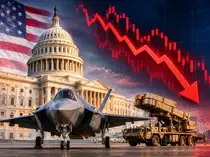
US defence stocks came under pressure after Democrats won the midterm elections and secured control of Congress, raising concerns among investors about the future direction of Pentagon spending. The election result has increased uncertainty around military programmes proposed by President Donald Trump, with investors anticipating greater congressional scrutiny of defence expenditure.
Major defence companies, including Lockheed Martin and RTX, experienced significant declines in their share prices following the political development. Investors are concerned that changes in congressional oversight could affect funding decisions, procurement plans and the timing of military programmes.
The market reaction also reflects expectations that the US defence budget could move closer to earlier spending proposals rather than the higher request put forward by the Trump administration.
Key Highlights
- US defence stocks declined following the Democrats’ victory in the midterm elections.
- Democratic control of Congress has raised concerns about increased scrutiny of Pentagon spending.
- Lockheed Martin and RTX were among the defence companies affected by the market reaction.
- Investors are assessing the potential impact on military programmes proposed by Donald Trump.
- Analysts expect the defence budget to be closer to previous proposals rather than Trump’s spending request.
Why Defence Stocks Came Under Pressure
US defence companies have benefited from expectations of higher Military Spending under Trump’s proposed 2027 defence budget. The administration had sought a significant increase in military expenditure, creating positive expectations for defence contractors involved in aircraft, missile systems, radar technology and other military equipment.
However, the Democrats’ victory has changed investors’ expectations. With Democrats set to control Congress, they will have greater influence over the committees responsible for reviewing and overseeing Pentagon spending. This could lead to closer examination of proposed military programmes and funding requirements.
Investors are therefore reassessing whether the administration’s ambitious spending plans will receive sufficient congressional support.
Lockheed Martin and RTX Shares Decline
Lockheed Martin and RTX were among the major defence companies affected by the selloff. Lockheed Martin, which oversees the F-35 fighter jet programme, recorded a significant decline in its share price. RTX, a major manufacturer of missile and radar systems, also experienced selling pressure.
Other defence contractors, including L3Harris Technologies, General Dynamics and Northrop Grumman, also traded lower following the election outcome.
The declines reflect concerns about future government contracts and defence procurement rather than an immediate deterioration in the companies’ operating performance. Major contractors had reported strong quarterly results and substantial order backlogs in October, supported by government efforts to replenish military stockpiles and strengthen defence preparedness.
Trump’s $1.5 Trillion Defence Budget Faces Greater Scrutiny
One of the main concerns for investors is the future of Trump’s proposed $1.5 trillion US defence budget for 2027. The administration’s request represents a substantial increase compared with the currently approved military spending level.
Democratic control of Congress could make it more difficult for the administration to secure approval for the full spending increase. Lawmakers may examine individual programmes more closely and question whether the proposed expenditure is justified.
Analysts expect the final defence budget to be closer to earlier congressional proposals rather than the administration’s higher request. This possibility has raised concerns about the revenue growth expectations of defence contractors that could benefit from additional military spending.
Military Programmes Could Face Funding Uncertainty
The election result has also raised questions about the future of several high-profile military initiatives proposed by Trump. These include Golden Dome, a proposed homeland missile defence shield, and Golden Fleet, which involves plans for a new Trump-class battleship and broader naval modernisation.
Greater congressional scrutiny could create challenges for programmes that require substantial new funding. Investors are particularly concerned that some initiatives may face delays, modifications or reduced financial support.
However, not all defence programmes are expected to face the same level of uncertainty. Military modernisation and the need to maintain national security capabilities continue to have broader political support. This means that funding decisions could vary significantly across different categories of defence projects.
Some Defence Programmes May Remain Relatively Protected
Analysts believe certain long-term military modernisation initiatives could be less exposed to potential funding changes. Nuclear modernisation programmes, including Northrop Grumman’s B-21 bomber and the Sentinel intercontinental ballistic missile replacement programme, have been identified as relatively less vulnerable to political uncertainty.
These programmes are linked to broader national security priorities, which may help protect them from some of the spending pressures affecting other proposed military initiatives.
For investors, the distinction between established defence programmes and newer proposals could become increasingly important when evaluating defence companies and their future earnings prospects.
Strong Order Backlogs Face a Changing Political Environment
The recent decline in defence shares comes despite strong business performance from several major contractors. Companies such as Lockheed Martin and RTX reported positive September-quarter results in October, supported by substantial order backlogs.
Governments have continued to replenish military stockpiles and strengthen defence capabilities, supporting demand for missiles, aircraft and other military equipment.
However, investors are now questioning whether the proposed increase in US defence spending will translate into actual budget allocations. Strong existing orders may support business activity, but expectations of additional government contracts could change if Congress reduces or delays proposed spending.
What the Midterm Election Result Means for Defence Investors
The Democrats’ victory introduces greater uncertainty into the outlook for US defence contractors. Investors will be watching congressional budget discussions, funding approvals and decisions concerning major military programmes.
Companies with established contracts and programmes considered important to national security may face different risks from businesses that depend more heavily on newly proposed initiatives.
The market reaction also demonstrates how political developments can influence stock valuations when companies depend significantly on government spending. Even when businesses report strong financial results, changes in expectations about future public funding can affect investor confidence.
Conclusion
US defence stocks declined after the Democrats’ midterm election victory raised concerns about the future of Pentagon spending. Lockheed Martin, RTX and other major defence contractors faced selling pressure as investors reassessed the possibility of increased congressional scrutiny of Trump’s military spending plans.
Although the election result creates uncertainty around several proposed defence initiatives, established military modernisation programmes may remain relatively protected. The direction of the 2027 defence budget and Congress’s decisions on individual military projects will be important factors shaping the outlook for US defence companies.
For breaking news and live news updates, like us on Facebook or follow us on Twitter and Instagram. Read more on Latest Business on thefoxdaily.com.






COMMENTS 0