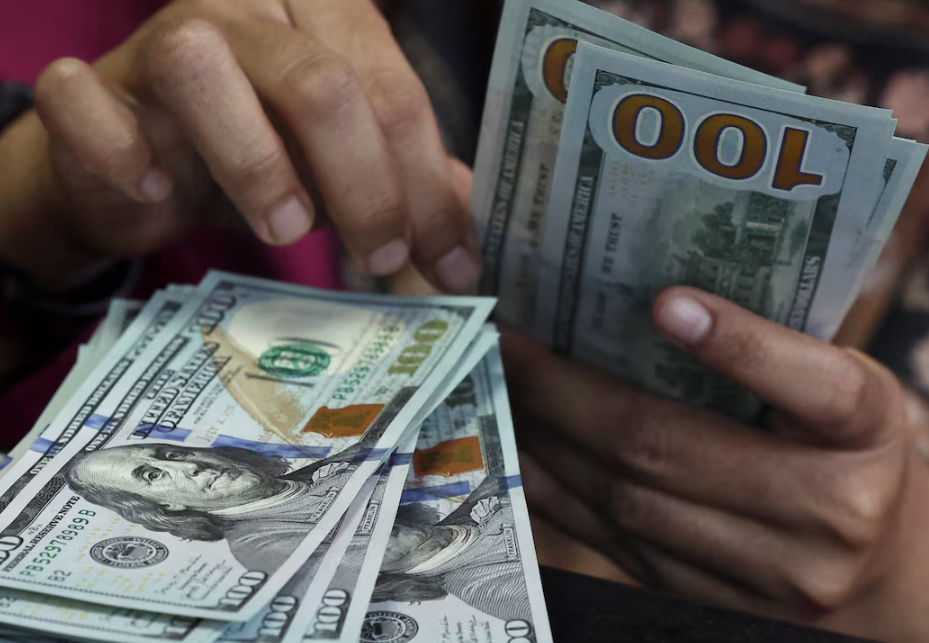
The US Dollar climbed to its strongest level in almost two months on September 23, 2026, as investors weighed the possibility of further Federal Reserve interest rate increases if inflation remains persistent. The currency’s advance came amid renewed inflation concerns linked to elevated oil prices and a series of hawkish signals from major central banks.
The dollar index, which measures the US currency against six major peers, rose 0.36% to 100.92. The euro weakened to its lowest level since late July, while sterling fell to its weakest point since early July. The Japanese yen also remained under pressure, trading around 158 per dollar as markets watched for possible intervention by Japanese authorities.
Currency markets are balancing expectations for tighter monetary policy against uncertainty over energy prices and geopolitical developments. Oil prices have eased from recent highs, but remain elevated, leaving investors uncertain about the outlook for inflation and interest rates.
Dollar Index Rises to 100.92
The US dollar strengthened on Wednesday as investors considered signals that the Federal Reserve could continue tightening monetary policy if inflation does not cool sufficiently.
The dollar index rose 0.36% to 100.92, reaching its highest level in nearly two months. The index tracks the US dollar against a basket of six major currencies, making it a widely watched measure of the currency’s performance in international markets.
ING strategist Francesco Pesole said the dollar’s strength reflected the influence of the Federal Reserve’s policy outlook and hawkish comments from officials. He said those signals were helping maintain demand for the US currency.
Interest rate expectations can affect currency markets because investors compare the returns available across different economies. When traders anticipate higher interest rates in one country relative to others, that expectation can influence demand for its currency. Actual exchange-rate movements, however, also depend on broader economic and market conditions.
Euro Falls to Its Lowest Level Since Late July
The euro weakened against the dollar, falling 0.37% to $1.1405 after reaching its lowest level since late July.
The decline came as investors reassessed interest rate expectations and the implications of elevated energy costs for the European economy. The euro’s movement also reflected the dollar’s broader strength during the session.
Energy prices are particularly relevant to currency markets because they can affect inflation, household costs and business expenses. Higher energy costs may influence central bank decisions, while also changing the economic outlook for countries that rely heavily on imported energy.
The Reuters report did not identify a single factor responsible for the euro’s decline. Instead, the currency was trading amid a broader environment of changing rate expectations, oil-market uncertainty and geopolitical risk.
Sterling Weakens to Its Lowest Since Early July
Sterling fell as much as 0.5% to $1.3273, its weakest level since early July, as the dollar strengthened.
The pound’s decline formed part of a wider move across major currencies. Investors have been focusing on central bank decisions and signals about future monetary policy, with inflation concerns remaining central to the market outlook.
Exchange rates can respond not only to current interest rates but also to expectations about future policy. When investors revise those expectations, currencies may move even before a central bank announces a new decision.
Federal Reserve Signals Keep Rate Expectations in Focus
Investors are anticipating the possibility of further interest rate increases from the Federal Reserve. Several Fed officials have signalled this week that additional monetary tightening may be considered if inflation does not subside quickly enough.
These comments have helped keep the prospect of higher US interest rates at the centre of currency trading. The dollar’s performance reflects market expectations rather than confirmation that the Federal Reserve has already decided to raise rates again.
Central banks typically adjust interest rates in response to their assessments of inflation, employment and economic conditions. Persistent inflation can strengthen the case for tighter policy, while a meaningful decline in price pressures may change the outlook.
The timing and scale of any future Fed moves remain uncertain. Investors will continue to assess incoming economic information and official statements for clues about the direction of US monetary policy.
Oil Prices Rebound Above $100 a Barrel
Oil markets remained a major influence on the currency and interest rate outlook. Brent crude futures rose 1% on Wednesday, moving back above $100 a barrel and ending a five-day period of declines.
The earlier drop in oil prices had been supported by hopes that diplomatic discussions at the United Nations General Assembly could help create a path toward resolving the seven-month-long Middle East war. The latest rebound highlighted continued uncertainty about the conflict and its effects on energy supplies.
According to the Reuters report, Brent futures have risen 37% since the conflict began at the end of February. Physical oil prices were reported to be at least 75% higher in Europe and at least 40% higher in the United States.
Although crude prices had moderated from their recent peaks, analysts cautioned that prices around $90 to $100 per barrel might not be enough to prompt markets to substantially revise expectations for central bank policy.
Why Oil Prices Matter for Inflation and Interest Rates
Oil prices influence inflation through fuel costs, transportation expenses and the production and distribution of goods. When energy prices rise sharply, businesses may face higher operating costs, some of which can be passed on to consumers.
Higher energy costs can complicate central banks’ efforts to control inflation. If price pressures remain elevated, policymakers may be less willing to reduce interest rates and could consider further increases, depending on the broader economic outlook.
However, the relationship between oil and interest rates is not automatic. Central banks consider a range of indicators, and a temporary energy-price increase may have different implications from a prolonged rise that spreads through the wider economy.
For currency markets, the key question is whether energy prices will remain high enough to influence inflation and monetary policy expectations over time.
Diesel Prices Remain Elevated in the US and Europe
While crude oil prices have eased from their recent peaks, refined fuel prices remain high. The Reuters report said diesel prices had reached record highs in the United States and multi-year highs in Europe.
Diesel is widely used in transportation, making its price important for freight operators, logistics companies and other businesses that move goods. Higher diesel costs can add pressure to supply chains and contribute to broader price increases.
US President Donald Trump said on Tuesday that he supported the idea of banning diesel exports as a way to reduce domestic prices. Analysts cited in the report said such a measure could do more harm than good to global supply flows.
The proposal highlights a policy dilemma: measures intended to increase domestic availability may also affect international markets and the movement of refined fuels. The report did not indicate that an export ban had been implemented.
Middle East Conflict Adds Uncertainty to Markets
The US-Israeli conflict with Iran has contributed to higher oil prices and concerns about inflation, making geopolitical developments important for financial markets.
In his speech at the United Nations, Trump warned that he could annihilate Iran if no agreement was reached to end the war, while also suggesting that a deal could come soon as diplomatic efforts continued in New York.
Currency analyst Michael Wan of MUFG said oil prices had moderated somewhat from their highs, but the outlook remained unclear because there was no certainty about a possible resolution to the conflict.
For investors, developments in diplomacy and energy markets can influence expectations about future inflation, central bank policy and economic growth. The direction of oil prices remains uncertain while the conflict continues.
Yen Trades at 158 per Dollar Amid Intervention Concerns
The Japanese yen weakened to around 158 per dollar as traders remained alert to the possibility of intervention by Japanese authorities.
The yen’s decline came despite a Bank of Japan rate increase to a 31-year high the previous week. According to the Reuters report, the move did not reassure investors that further rate increases were likely to follow.
Currency intervention refers to actions by authorities intended to influence exchange-rate conditions. Traders have been watching for signs that Japanese officials may act if the yen weakens further.
Japanese financial markets were closed for a holiday on Wednesday. Analysts noted that the period of lower liquidity could be an advantageous time for authorities to intervene if they considered it necessary.
Could the Yen Reach 160 per Dollar?
The 160-per-dollar level remained a point of concern for currency traders, although analysts cautioned against treating it as a fixed intervention threshold.
Kieran Williams, head of Asia foreign exchange at Intouch Capital Markets, said officials had reportedly moved away from signalling intervention in advance or identifying a specific exchange-rate level. He noted that action could come earlier or take other forms.
The comments underline the uncertainty surrounding any potential response from Japanese authorities. A particular exchange-rate level does not guarantee intervention, and market participants must also consider official statements and broader conditions.
The Reuters report did not confirm that intervention had taken place.
Investors Watch Trump-Xi Meeting
Investors are also monitoring a high-stakes meeting between US President Donald Trump and Chinese President Xi Jinping. The two leaders are seeking stability in a relationship under pressure from a wide range of issues.
Developments in US-China relations can matter to financial markets because the relationship affects trade, investment and global economic expectations. However, the Reuters report did not identify a specific outcome from the meeting or quantify its potential impact on currencies.
For traders, the meeting represents another source of uncertainty alongside central bank policy, oil prices and geopolitical developments.
What Currency Traders Are Watching Next
The dollar’s latest advance reflects a combination of expectations for tighter Federal Reserve policy and uncertainty about energy prices. The outlook could shift as investors receive new information about inflation, central bank decisions and the Middle East conflict.
Several developments are likely to remain important for currency markets:
- Federal Reserve signals: Whether officials continue to indicate that further rate increases may be needed if inflation remains persistent.
- Oil prices: Whether crude prices continue to moderate or return to higher levels.
- Middle East diplomacy: Whether negotiations produce developments that affect energy-market expectations.
- Japanese yen: Whether Japanese authorities signal or take steps to influence the currency’s movement.
- US-China relations: Whether the Trump-Xi meeting produces developments relevant to trade and market stability.
These factors may interact in different ways. A decline in oil prices could ease some inflation concerns, while stronger expectations for US rate increases could continue to support the dollar. The direction of exchange rates will depend on how investors interpret new information.
Conclusion
The US dollar reached a near two-month high on September 23 as investors assessed the possibility of further Federal Reserve rate increases. The dollar index rose to 100.92, while the euro and sterling weakened and the yen traded near 158 per dollar.
Oil prices remain a central uncertainty. Brent crude moved back above $100 a barrel after several days of declines, while diesel prices remained elevated in the United States and Europe. The Middle East conflict, potential Japanese currency intervention and the upcoming Trump-Xi meeting are also keeping traders focused on geopolitical and policy developments.
For now, markets are weighing the possibility of tighter US monetary policy against the potential effects of changing energy prices and diplomatic developments. Neither the future path of interest rates nor the direction of currencies is settled.
Frequently Asked Questions
1. Why did the US dollar rise on September 23, 2026?
The dollar strengthened as investors considered the possibility of further Federal Reserve interest rate increases if inflation remains persistent. Hawkish comments from Fed officials helped maintain demand for the US currency.
2. What was the dollar index level?
The dollar index rose 0.36% to 100.92, reaching its strongest level in almost two months, according to Reuters.
3. How did the euro and sterling perform?
The euro fell 0.37% to $1.1405, its lowest level since late July. Sterling fell as much as 0.5% to $1.3273, its weakest since early July.
4. Why are investors expecting possible Fed rate increases?
Several Federal Reserve officials have indicated that further policy tightening may be considered if inflation does not decline quickly enough. These comments have influenced market expectations, but they do not confirm a future rate decision.
5. What happened to Brent crude prices?
Brent crude futures rose 1% to move back above $100 a barrel, ending a five-day stretch of declines. Reuters reported that Brent futures had risen 37% since the conflict began at the end of February.
6. Why is the Japanese yen under pressure?
The yen traded around 158 per dollar as investors questioned whether the Bank of Japan would continue raising rates and remained alert to the possibility of intervention by Japanese authorities.
7. Are Japanese authorities intervening in the currency market?
The report did not confirm that intervention had occurred. Traders were monitoring the possibility of action, particularly during a period of lower market liquidity while Japanese markets were closed for a holiday.
8. What other events are currency traders monitoring?
Investors are watching oil prices, developments in the Middle East conflict, signals from central banks, potential Japanese currency intervention and the meeting between US President Donald Trump and Chinese President Xi Jinping.
For breaking news and live news updates, like us on Facebook or follow us on Twitter and Instagram. Read more on Latest Business on thefoxdaily.com.





COMMENTS 0