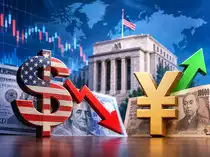
The US dollar weakened as its recent rally lost momentum, with the currency slipping to 103.86 amid changing investor sentiment and movements in global bond yields. Despite the pullback, traders continued to expect the Federal Reserve to maintain a hawkish stance in its upcoming statements, keeping monetary policy expectations at the centre of currency market activity.
Meanwhile, lower US Treasury yields provided support to the Japanese yen, helping the currency strengthen against the dollar. Inflation data from Japan also attracted investor attention as markets assessed the outlook for the Bank of Japan’s monetary policy.
Bitcoin also came under pressure, falling below the $60,000 mark amid wider financial market volatility. The decline added to concerns about valuations in risk-sensitive assets as investors reassessed their positions.
Dollar Rally Loses Momentum
The US dollar slipped to 103.86 as its recent upward momentum stalled. The decline reflected a shift in investor positioning, although expectations of a relatively hawkish Federal Reserve continued to provide an important backdrop for currency trading.
The dollar’s performance is closely linked to expectations about US interest rates, economic conditions and the relative attractiveness of American assets. When investors anticipate higher interest rates, the currency can benefit from expectations of stronger returns on dollar-denominated investments.
However, currency movements also depend on changes in bond yields and the monetary policy outlook in other major economies. A decline in US yields can reduce the dollar’s relative appeal, particularly when other currencies receive support from improving domestic economic or monetary policy expectations.
The latest pullback therefore suggests that the dollar’s recent rally has encountered resistance, even as traders continue to monitor signals from the Federal Reserve.
Fed’s Hawkish Outlook Remains in Focus
Despite the dollar’s weakness, traders expect the Federal Reserve to maintain a hawkish tone in its upcoming statements. A hawkish approach generally indicates that policymakers remain concerned about inflation and are prepared to keep monetary conditions tighter if required.
Expectations surrounding the Fed are important for currency markets because changes in interest rate forecasts can influence capital flows and demand for the US dollar.
If investors believe US interest rates will remain relatively high, dollar-denominated assets may continue to attract interest. On the other hand, lower Treasury yields can weaken that advantage by reducing the returns available on US government debt.
This creates a potentially important contrast in the current market environment: traders are anticipating a hawkish Federal Reserve, but lower US yields are providing support to the yen and limiting the dollar’s momentum.
Lower US Treasury Yields Support the Japanese Yen
The decline in US Treasury yields has helped the Japanese yen strengthen against the dollar. Bond yields are an important factor in currency valuations because investors compare the returns available across different economies when deciding where to allocate capital.
When US yields fall relative to Japanese yields, the return advantage of holding dollar-denominated assets can narrow. This may encourage investors to reassess positions that favour the dollar over the yen.
The relationship is particularly important because the yen has often been sensitive to differences between Japanese and US interest rates. A narrowing yield gap can improve the currency’s relative attractiveness, although other factors, including inflation, economic growth and central bank policy, also influence its performance.
The latest movement highlights how changes in the US bond market can affect currencies beyond the dollar itself.
Yen Firms on Japanese Inflation Data
Japanese inflation data added another factor to the yen’s performance as investors assessed the potential implications for the Bank of Japan’s monetary policy.
Inflation is an important consideration for the central bank when deciding whether monetary conditions should remain accommodative or become tighter. Persistent price pressures could strengthen expectations of further policy adjustments, while moderating inflation could reduce the urgency for additional changes.
For currency traders, the inflation outlook matters because expectations of higher Japanese interest rates can support the yen by improving the relative return on Japanese assets.
However, the available information does not provide the specific inflation reading or indicate a confirmed policy decision by the Bank of Japan. The currency’s response should therefore be understood in the context of market expectations rather than as evidence of an announced change in monetary policy.
Bitcoin Falls Below $60,000 Amid Market Volatility
Bitcoin also weakened, falling below the $60,000 level as volatility affected financial markets. The decline added to concerns about valuations in risk-sensitive assets and reflected the cautious mood among investors.
Cryptocurrencies can experience sharp price movements as investors respond to changes in liquidity, market sentiment and expectations about financial conditions. When uncertainty increases, some market participants may reduce exposure to assets considered more volatile.
The simultaneous weakness in Bitcoin and the loss of momentum in the dollar illustrate that different asset classes can respond differently to the same market environment. While lower US yields supported the yen, uncertainty continued to affect demand for risk-sensitive investments.
Key Factors Influencing Currency Markets
Several developments are shaping the near-term outlook for the dollar and other major currencies:
- Federal Reserve expectations: Traders are watching upcoming statements for signals about the US interest rate outlook and the central bank’s approach to inflation.
- US Treasury yields: Lower yields can reduce the relative return advantage of dollar-denominated assets and support competing currencies.
- Japanese inflation: Inflation trends could influence expectations about future Bank of Japan policy decisions.
- Dollar positioning: The dollar’s recent rally losing momentum may encourage investors to reassess their currency holdings.
- Broader market volatility: Movements in cryptocurrencies and other risk-sensitive assets reflect changing investor appetite for risk.
What Investors Will Watch Next
The direction of the dollar will depend partly on whether the Federal Reserve reinforces expectations of a hawkish monetary policy stance. Any change in the market’s assessment of future US interest rates could influence Treasury yields and the relative attractiveness of the currency.
For the yen, investors will focus on Japanese inflation trends and signals from the Bank of Japan. A stronger expectation of monetary policy normalisation could provide additional support, while a widening gap between US and Japanese yields could limit the currency’s gains.
Bitcoin’s movement will also remain relevant to broader market sentiment, although Cryptocurrency prices are influenced by factors beyond traditional foreign exchange markets.
Dollar Faces a Changing Market Environment
The dollar’s decline to 103.86 indicates that its recent rally has lost momentum, even as traders continue to anticipate a hawkish Federal Reserve. Lower US Treasury yields have helped the yen strengthen, while Japanese inflation data has added to the focus on the Bank of Japan’s policy outlook.
At the same time, Bitcoin’s fall below $60,000 reflects continued uncertainty across risk-sensitive markets. Together, these developments show how interest rate expectations, bond yields and investor sentiment are influencing global financial assets.
The next moves in the currency market will depend on incoming economic signals and central bank communication. Until the outlook becomes clearer, fluctuations in US yields and expectations for monetary policy are likely to remain key drivers of dollar-yen trading.
For breaking news and live news updates, like us on Facebook or follow us on Twitter and Instagram. Read more on Latest Business on thefoxdaily.com.






COMMENTS 0