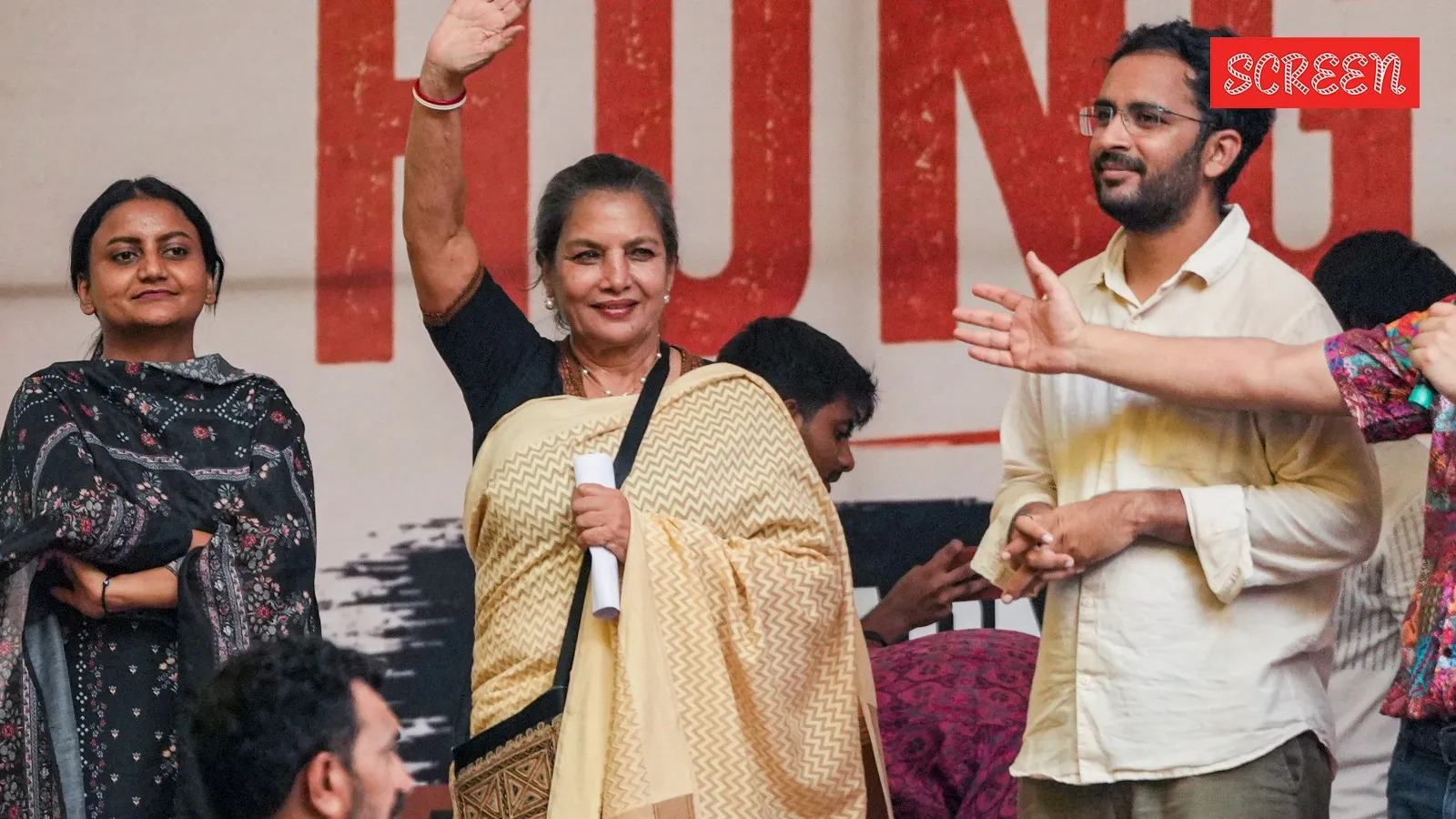
At a time when most celebrities have limited their support to social media posts, Shabana Azmi chose to participate in the protest in person. Her decision has once again highlighted the role of artists and public intellectuals in civic movements while also bringing attention to the physical and emotional risks associated with large-scale demonstrations.
Azmi’s participation has generated widespread discussion not only because of her stature in Indian cinema but also because of her long history of social activism. Her account of suffering an asthma attack after exposure to tear gas has added a human dimension to the debate surrounding the protests, raising broader questions about public demonstrations, crowd-control measures and the importance of dialogue between governments and citizens.
What Happened During the Protest?
Shabana Azmi joined the CJP-led ‘Chalo Sansad’ march, which was organized to demand accountability over the alleged NEET-UG question paper leak and to seek the resignation of Union Education Minister Dharmendra Pradhan.
Unlike many public figures who voiced support online, Azmi participated on the ground alongside students and activists. She later shared visuals of herself travelling with fellow actor Prakash Raj and CJP leader Abhijeet Dipke during the demonstration.
According to Azmi, the protest later turned difficult when tear gas was used for crowd control, triggering an asthma attack.
Shabana Azmi Recalls the Asthma Attack
Speaking about the incident, Azmi said she experienced breathing difficulties after being exposed to tear gas during the demonstration.
As someone living with asthma, exposure to chemical irritants can significantly worsen respiratory symptoms. While she described the experience as physically challenging, she maintained that it did not change her support for the students’ cause.
Her account has drawn attention to the health risks that vulnerable individuals may face during large public gatherings where crowd-control measures are employed.
Why She Chose to Join the Protest Personally
Azmi explained that her support for the movement stems from her belief that students deserve to be heard, particularly when issues affecting their education and future are involved.
Rather than limiting her support to online statements, she chose to participate directly, arguing that democratic societies benefit when citizens peacefully express their concerns.
Her message emphasized engagement and dialogue rather than confrontation.
The Meaning Behind Her ‘Salaam to Students’
One of the most widely discussed aspects of Azmi’s remarks was her tribute to the students participating in the protest.
By offering her “salaam” to the students, she acknowledged what she viewed as their courage in raising concerns about examination integrity and educational fairness.
Her comments focused on the aspirations of young people rather than partisan politics, reinforcing her long-standing advocacy for education and social justice.
Understanding the NEET-UG Paper Leak Controversy
The demonstrations were triggered by allegations surrounding the NEET-UG examination, India’s primary entrance test for undergraduate medical admissions.
Concerns regarding alleged question paper leaks evolved into a nationwide issue involving investigations, political debate and widespread student protests.
The controversy has prompted discussions around:
- Examination transparency.
- Student trust in competitive tests.
- Accountability within educational institutions.
- Strengthening examination security.
- Protecting merit-based admissions.
Why Shabana Azmi’s Voice Carries Weight
Shabana Azmi has long been recognized not only for her acclaimed acting career but also for her involvement in public causes, including women’s rights, education, housing and social justice.
Over the decades, she has frequently participated in public campaigns concerning marginalized communities and civic issues.
Her decision to physically join the demonstration therefore aligns with a broader pattern of activism rather than representing an isolated intervention.
A History of Public Engagement
Azmi’s activism has extended beyond cinema throughout her career.
| Area | Public Engagement |
|---|---|
| Education | Support for equitable educational opportunities. |
| Women’s Rights | Advocacy through public campaigns and discussions. |
| Housing | Work related to rehabilitation of slum dwellers. |
| Social Justice | Participation in civic initiatives and awareness campaigns. |
| Democratic Participation | Support for peaceful public dialogue on national issues. |
This background explains why many observers view her presence at the protest as consistent with her long-standing public commitments.
Tear Gas and Respiratory Health: Why Asthma Patients Are Vulnerable
Tear gas is commonly used worldwide as a crowd-control measure. Exposure can cause temporary irritation to the eyes, skin and respiratory system.
For individuals with asthma or other chronic respiratory conditions, the effects may be more severe, potentially triggering breathing difficulties that require prompt medical attention.
General symptoms following exposure may include:
- Persistent coughing.
- Chest tightness.
- Shortness of breath.
- Eye irritation.
- Difficulty breathing in individuals with asthma.
The severity of symptoms varies depending on an individual’s health condition and the level of exposure.
The Role of Celebrities in Public Movements
Azmi’s participation also highlights a broader trend of artists engaging directly with civic issues.
| Potential Impact | Challenges |
|---|---|
| Raises public awareness. | Political criticism. |
| Amplifies student voices. | Intense media scrutiny. |
| Encourages public dialogue. | Polarized reactions. |
| Draws national attention. | Risk of being associated with political narratives. |
Public figures often become symbols within larger debates, regardless of whether their intention is political or humanitarian.
Balancing Protest Rights and Public Safety
The incident also underscores an important democratic challenge: balancing citizens’ right to peaceful protest with maintaining public order and ensuring everyone’s safety.
Large demonstrations frequently require law enforcement to manage crowds while protecting public infrastructure and minimizing the risk of violence.
At the same time, organizers and participants generally emphasize the importance of peaceful expression and constructive engagement with authorities.
Why the Story Resonates Beyond Politics
Although the immediate context is political, the larger issues resonate with families across India.
The NEET controversy affects millions of students who invest years preparing for one of the country’s most competitive examinations. Consequently, discussions about transparency, fairness and accountability extend far beyond party politics.
Azmi’s appeal for dialogue reflects concerns shared by many parents and educators who believe that maintaining trust in the examination system is essential.
Timeline of Key Events
| Event | Development |
|---|---|
| NEET-UG Examination | Medical entrance examination conducted nationwide. |
| Paper Leak Allegations | Questions raised regarding examination integrity. |
| Investigations Begin | Authorities launched inquiries into alleged malpractice. |
| CJP’s ‘Chalo Sansad’ Protest | Students and supporters marched demanding accountability. |
| Shabana Azmi Participates | The veteran actor joined the demonstration in person. |
| Health Incident | Azmi said she suffered an asthma attack after exposure to tear gas. |
What Comes Next?
The debate surrounding the NEET-UG controversy is expected to continue through ongoing investigations, parliamentary discussions and public engagement.
Meanwhile, Shabana Azmi’s participation has reinforced conversations about the responsibilities of public figures, the importance of peaceful civic participation and the need for authorities to address student concerns through transparent communication.
Conclusion
Shabana Azmi’s decision to stand alongside students during the CJP-led protest has added a significant voice to the national conversation surrounding the NEET-UG paper leak controversy. Her account of suffering an asthma attack after exposure to tear gas highlights the personal risks that can accompany public demonstrations, while her continued support underscores her belief in democratic dialogue and the importance of listening to students.
Beyond the headlines, the episode reflects broader questions about educational integrity, public accountability and the role of civil society in shaping national conversations. Regardless of differing political perspectives, the central issue remains ensuring that students’ concerns are heard, investigations remain transparent and confidence in India’s education system is restored.
For breaking news and live news updates, like us on Facebook or follow us on Twitter and Instagram. Read more on Latest Entertainment on thefoxdaily.com.






COMMENTS 0