Dengue Spread Neither Unusual Nor Alarming This Year, Says Tamil Nadu Directorate of Public Health
Tamil Nadu’s Directorate of Public Health and Preventive Medicine has said that the spread of Dengue in the State this year is neither unusual nor at an alarming level, while urging residents not to panic and to continue supporting mosquito-control measures.
The statement comes as dengue cases typically fluctuate during the monsoon months. According to the Directorate, changes in climatic conditions during the rainy season can naturally lead to seasonal variations in dengue transmission.
As of September 16, 2026, Tamil Nadu had recorded 16,334 dengue cases and nine deaths this year, according to figures cited by the Directorate. For the January-to-September period, the State recorded 34,339 cases and 13 deaths in 2024, while 15,688 cases and 13 deaths were reported in 2025. The” target=”_blank”>
https://indialive.net/dengue-spread-neither-unusual-nor-alarming-this-year-tamil-nadu-directorate-of-public-health/”>The
Directorate’s comparison was intended to put the current numbers in the context of recent seasonal trends. 0
Tamil Nadu Dengue Cases in 2026: What the Latest Data Shows
The latest figures show that dengue continues to circulate in Tamil Nadu, but the Public Health Directorate does not consider the current spread to be unusual or alarming.
| Period | Dengue Cases | Deaths |
|---|---|---|
| January–September 2024 | 34,339 | 13 |
| January–September 2025 | 15,688 | 13 |
| January–September 2026, as of September 16 | 16,334 | 9 |
The comparison also shows why case numbers should be interpreted in relation to the same period in previous years rather than viewed in isolation. The 2026 figure is higher than the corresponding 2025 figure but substantially below the figure reported for the same period in 2024. 1
Why Dengue Cases Rise During the Monsoon
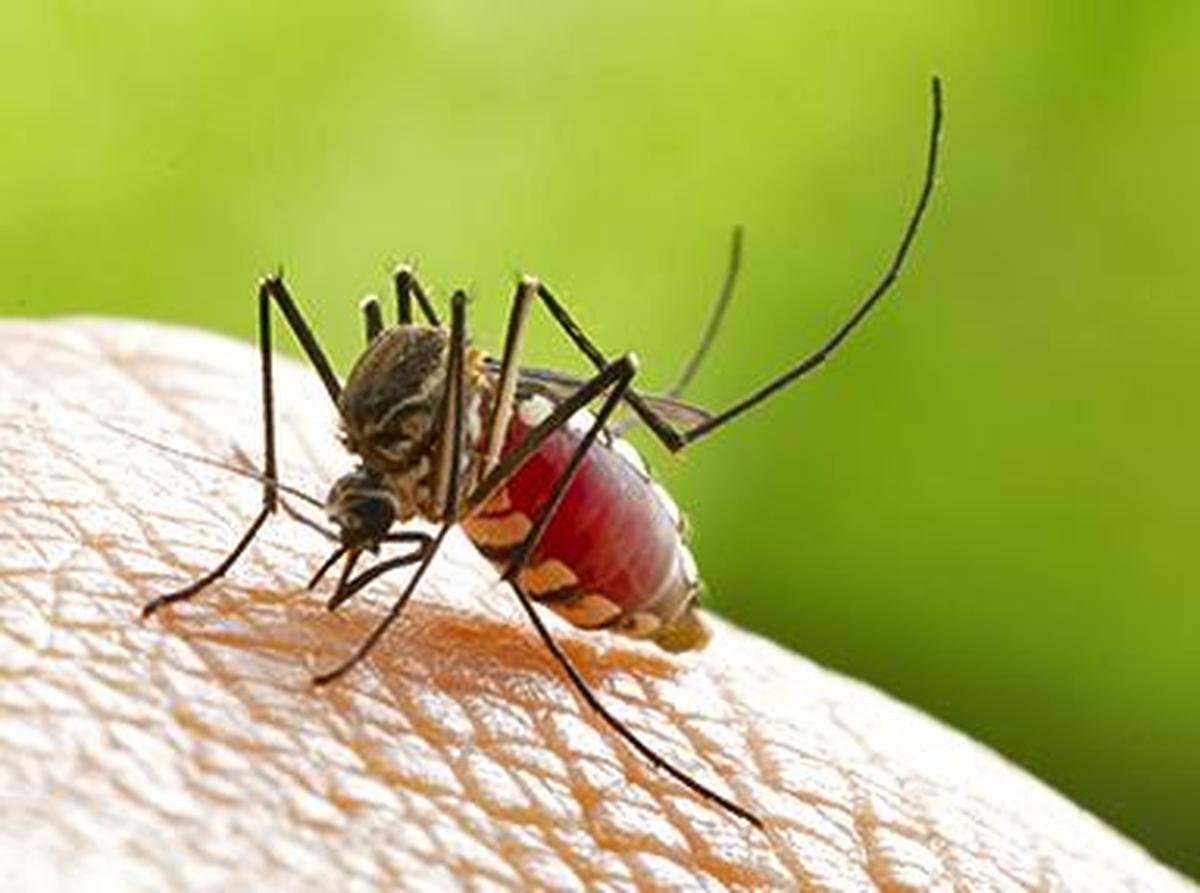
Dengue is transmitted primarily by infected Aedes mosquitoes. These mosquitoes can breed in relatively small collections of stagnant water around homes, workplaces and public areas.
The Directorate said seasonal variations in dengue cases occur naturally during the monsoon because of changes in climatic conditions. Rainfall can create additional breeding sites, while temperature and other environmental conditions can influence mosquito populations and dengue transmission.
Health authorities have particularly highlighted the period from October to December as a time when conditions conducive to increased Aedes mosquito breeding may occur. Consequently, dengue surveillance and preventive measures are being intensified across Tamil Nadu. 2
Why the October-to-December Period Is Important
The Directorate’s reassurance does not mean that dengue transmission has stopped or that the risk can be ignored.
Instead, officials are continuing to monitor cases because seasonal conditions can change. Increased mosquito breeding can potentially translate into increased transmission, making early detection and source reduction important parts of dengue control.
This is why the State is maintaining surveillance even while describing the current situation as neither unusual nor alarming.
Tamil Nadu Intensifies Dengue Prevention Measures
The Public Health Directorate said that officers have been deployed across Tamil Nadu to coordinate dengue prevention and control activities.
Several measures are being used to monitor and manage patients with fever, including the establishment of fever wards. Triaging is also being undertaken so that patients can be assessed according to the severity of their illness and receive appropriate treatment on a priority basis. 3
At the community level, mosquito-control measures include larval control and source reduction. Public-awareness and information, education and communication activities are also being carried out.
The Directorate has stressed that government efforts are more effective when residents cooperate by removing potential mosquito-breeding sites around their homes.
Stagnant Water Remains a Key Dengue Prevention Target
One of the simplest ways households can contribute to dengue prevention is by preventing water from accumulating in containers and discarded objects.
The Directorate has specifically urged residents to check for stagnant water in or around their homes, including in:
- Unused plastic containers
- Coconut shells
- Old tyres
- Flower pots and trays
- Discarded household items
- Other containers that can collect rainwater
Residents should remove accumulated water and potential breeding sources as soon as they are identified. They are also being asked to cooperate with mosquito-control teams and local bodies carrying out dengue-prevention activities. 4
What Are the Symptoms of Dengue?
Dengue commonly presents as an acute febrile illness. Fever may occur along with headache, body aches, joint or muscle pain, nausea, vomiting or rash.
However, these symptoms are not specific to dengue. Several other infections can cause fever during the monsoon, so people should not assume that every episode of fever is dengue without appropriate medical evaluation.
The Tamil Nadu Directorate has advised people who develop fever to approach the nearest Primary Health Centre or government hospital for medical advice and appropriate treatment without delay. 5
When Dengue Can Become Serious
While the State’s overall assessment is that dengue transmission this year is not at an alarming level, dengue can still cause severe illness in individual patients.
Warning signs can include severe abdominal pain, persistent vomiting, bleeding, extreme weakness, restlessness or changes in alertness. Anyone with suspected or confirmed dengue who develops concerning symptoms should receive prompt medical attention.
Patients should also follow the advice of their healthcare professionals regarding fluids, monitoring and medicines. Self-medication can be inappropriate, particularly because some commonly used pain medicines may increase bleeding risk in people with dengue.
Why the Public Should Stay Vigilant Despite the Reassurance
The Directorate’s message is not that dengue is harmless or that precautions are unnecessary. Rather, it is an assessment of the current State-level situation based on comparisons with recent years.
There are two important messages in the latest update: there is no need for unnecessary panic, but dengue prevention should continue.
The authorities are continuing surveillance precisely because transmission can change with seasonal conditions. The expected increase in mosquito breeding during parts of the October-to-December period makes source reduction and early recognition of illness particularly important. 6
What Residents Can Do to Reduce Dengue Risk
Dengue prevention requires action at both the public-health and household levels. Residents can reduce potential breeding sites by regularly inspecting their surroundings.
- Empty and clean containers that can collect rainwater.
- Remove discarded plastic items and other objects capable of holding water.
- Dispose of old tyres and other waste appropriately.
- Check flower pots and trays regularly.
- Keep stored water properly covered.
- Allow mosquito-control teams access when preventive activities are conducted.
- Use appropriate mosquito-bite protection.
- Seek medical advice promptly if fever develops.
These measures are particularly relevant during and after periods of rainfall, when even small amounts of standing water can become potential breeding sites.
Tamil Nadu Dengue Update: What the Health Department Is Saying
The latest Tamil Nadu dengue update provides a measured assessment of the situation. As of September 16, the State had recorded 16,334 cases and nine deaths in 2026. The Directorate compared these figures with January-to-September data from 2024 and 2025 and said the current spread was neither unusual nor occurring at an alarming level. 7
At the same time, officials are preparing for the possibility of increased mosquito breeding in the coming months. Fever wards, surveillance, triaging, larval control, source reduction and public-awareness measures are being maintained or intensified.
For residents, the practical message is clear: there is no reason to panic, but there is also no reason to become complacent.
Bottom Line
Tamil Nadu has reported 16,334 dengue cases and nine deaths as of September 16, 2026, but the Directorate of Public Health and Preventive Medicine says the current spread is neither unusual nor alarming. Seasonal fluctuations in dengue are expected during the monsoon, and officials are particularly monitoring the October-to-December period because conditions may favour increased Aedes mosquito breeding. 8
Residents can help limit transmission by eliminating stagnant water, cooperating with mosquito-control teams and seeking medical advice promptly when fever occurs. Continued surveillance remains important because dengue patterns can change as weather and mosquito-breeding conditions evolve.
“`9
For breaking news and live news updates, like us on Facebook or follow us on Twitter and Instagram. Read more on Latest Health on thefoxdaily.com.






COMMENTS 0