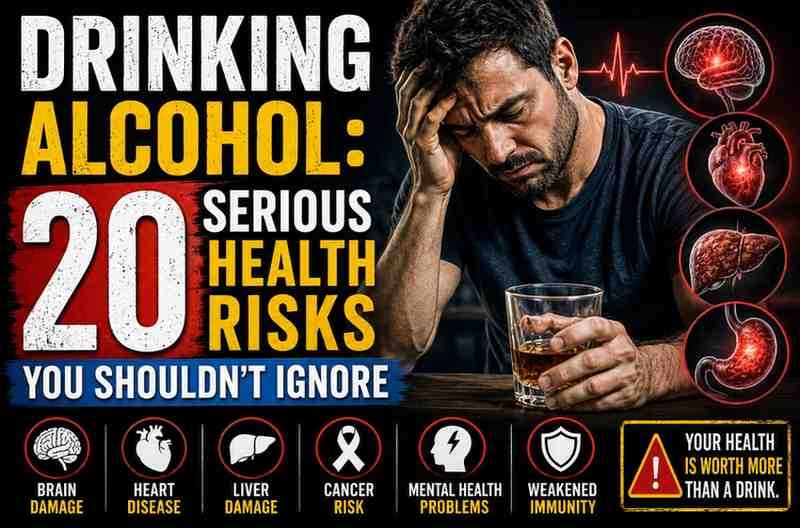
Introduction: How harmful is alcohol really? While moderate drinking is often socially accepted, growing scientific evidence shows that alcohol consumption is linked to a wide range of health problems many of which develop quietly over time. The health risks of drinking alcohol extend far beyond liver damage, affecting the brain, heart, immune system, and even cancer risk. In this comprehensive guide, we break down 20 health conditions linked to alcohol use, explain why these risks occur, and explore what it means for your long-term well-being.
The Bigger Picture: Why Alcohol Affects the Entire Body
Alcohol is not just a beverage it is a biologically active substance that alters brain chemistry, hormone balance, and cellular function. Once consumed, it enters the bloodstream and reaches nearly every organ.
Key insight: There is no “safe” organ when it comes to alcohol exposure. Even small amounts can trigger inflammation, oxidative stress, and metabolic disruption over time.
This widespread impact explains why alcohol is associated with dozens of chronic diseases, not just one or two commonly known conditions.
20 Health Conditions Linked to Alcohol Consumption
1–5: Liver and Digestive Disorders
- Fatty liver disease: Early-stage damage caused by fat buildup
- Alcoholic hepatitis: Inflammation of the liver
- Cirrhosis: Permanent liver scarring
- Pancreatitis: Painful inflammation of the pancreas
- Gastritis: Stomach lining irritation
Why it matters: The liver processes alcohol, making it especially vulnerable to long-term damage.
6–10: Heart and Circulatory Problems
- High blood pressure
- Cardiomyopathy (weakened heart muscle)
- Irregular heartbeat (arrhythmia)
- Stroke
- Increased risk of heart disease
Alcohol can disrupt heart rhythm and increase strain on blood vessels, raising cardiovascular risk.
11–15: Brain and Mental Health Conditions
- Anxiety disorders
- Depression
- Memory impairment
- Sleep disorders
- Alcohol dependence (addiction)
Critical insight: Alcohol may feel relaxing initially, but it ultimately disrupts neurotransmitters, worsening mental health over time.
16–20: Cancer and Immune-Related Conditions
- Liver cancer
- Breast cancer
- Colorectal cancer
- Weakened immune system
- Increased susceptibility to infections
Alcohol breaks down into acetaldehyde, a toxic chemical that damages DNA and increases cancer risk.
How Alcohol Triggers These Health Risks
Understanding the mechanisms behind alcohol-related damage helps explain why its effects are so widespread.
- Toxic byproducts: Alcohol converts into harmful compounds that damage cells
- Inflammation: Chronic drinking triggers systemic inflammation
- Hormonal imbalance: Affects stress, sleep, and metabolism
- Nutrient depletion: Reduces absorption of essential vitamins
Unique angle: Many alcohol-related diseases share a common root—chronic inflammation—making alcohol a multiplier of multiple health risks at once.
Short-Term vs Long-Term Effects
| Timeframe | Effects |
|---|---|
| Short-term | Impaired judgment, dehydration, poor sleep, mood swings |
| Long-term | Organ damage, chronic disease, mental health decline |
Why this matters: Many people focus on hangovers but overlook the cumulative long-term damage.
The Hidden Risk: “Moderate Drinking” Isn’t Risk-Free
For years, moderate drinking was believed to offer some health benefits, particularly for heart health. However, newer research challenges this idea.
Emerging insight: Even low levels of alcohol consumption may increase the risk of certain cancers and mental health issues. The idea of a “safe limit” is becoming more nuanced, with many experts suggesting that less is always better.
Real-World Impact: Why This Matters for Everyday Life
The effects of alcohol are not limited to medical conditions—they influence daily functioning, productivity, and relationships.
- Reduced focus and decision-making ability
- Lower energy levels
- Increased stress and emotional instability
- Higher healthcare costs over time
For young adults and working professionals, these impacts can accumulate, affecting long-term success and quality of life.
Comparison: Alcohol vs Healthier Alternatives
| Factor | Alcohol Consumption | Healthier Choices |
|---|---|---|
| Impact on Brain | Disrupts neurotransmitters | Supports cognitive function |
| Sleep Quality | Poor and fragmented | Restorative and deep |
| Long-term Health | Increases disease risk | Promotes longevity |
What You Can Do: Practical Steps to Reduce Risk
- Limit alcohol intake or avoid it altogether
- Choose alcohol-free alternatives
- Stay hydrated and maintain a balanced diet
- Seek support if reducing alcohol feels difficult
Key takeaway: Small reductions in alcohol consumption can lead to meaningful improvements in health.
Future Outlook: A Shift Toward Conscious Drinking
Globally, there is a growing trend toward mindful and reduced alcohol consumption. Younger generations are increasingly prioritizing health, leading to a rise in alcohol-free lifestyles.
Prediction: In the coming years, awareness of alcohol-related health risks will continue to grow, potentially reshaping social norms around drinking.
Conclusion: Rethinking Your Relationship with Alcohol
Alcohol affects far more than most people realize. From liver disease and heart problems to mental health issues and cancer risk, its impact spans the entire body.
Final insight: The question is no longer whether alcohol affects your health—but how much risk you’re willing to accept.
Making informed choices today can protect your future health, improve your daily well-being, and reduce the risk of developing these 20 serious conditions.
For breaking news and live news updates, like us on Facebook or follow us on Twitter and Instagram. Read more on Latest Health on thefoxdaily.com.






COMMENTS 0