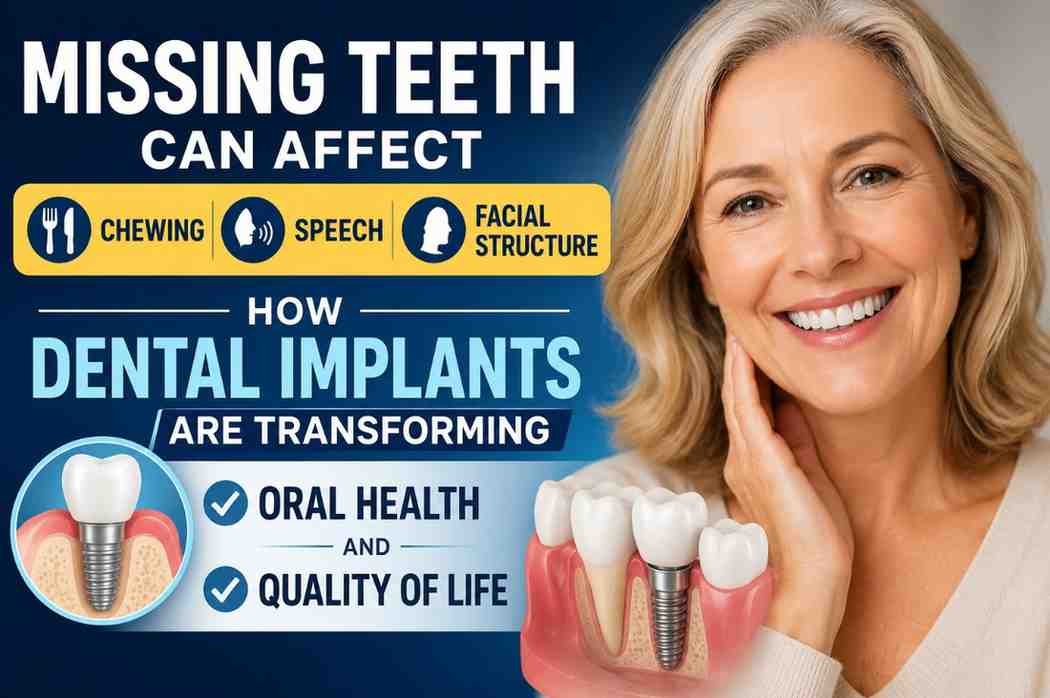
Losing a tooth is often dismissed as a cosmetic problem. But dentists increasingly emphasize that missing teeth can trigger a chain reaction affecting far more than appearance. Difficulty chewing, changes in speech, shifting teeth, and even gradual alterations to facial structure are among the hidden consequences of untreated tooth loss.
Fortunately, advances in implant dentistry have changed how oral rehabilitation is approached. Today, dental implants are designed not merely to replace missing teeth but to restore function, maintain jawbone health, and improve quality of life.
As populations age and awareness about oral health grows, implants have emerged as one of the most transformative developments in modern dentistry.
Why Missing Teeth Matter More Than Many People Realize
Teeth are not isolated structures. They work together with the jawbone, facial muscles, tongue, and surrounding tissues to support daily functions.
When one or more teeth are lost, the consequences extend beyond aesthetics.
Common effects include:
- Difficulty chewing certain foods.
- Speech problems and altered pronunciation.
- Shifting of neighboring teeth.
- Changes in bite alignment.
- Loss of jawbone density.
- Premature facial aging.
- Reduced confidence and self-esteem.
These changes often occur gradually, making them easy to overlook until they begin affecting daily life.
How Tooth Loss Changes Facial Structure
One of the lesser-known consequences of missing teeth is bone resorption. The jawbone depends on stimulation from tooth roots to maintain its density.
When a tooth is lost, that stimulation disappears, causing the bone to shrink over time.
This process can lead to:
- Sunken cheeks.
- Wrinkles around the mouth.
- A shortened lower face.
- Changes in facial contours.
- An aged appearance.
These effects explain why untreated tooth loss can make people appear older than they actually are.
What Exactly Are Dental Implants?
Dental implants are artificial tooth roots, typically made from biocompatible titanium, that are surgically placed into the jawbone.
Once integrated with the bone, they support crowns, bridges, or dentures designed to mimic natural teeth.
Unlike traditional solutions that rest on gums or adjacent teeth, implants function independently and provide stability similar to natural tooth roots.
This approach helps preserve bone and restore normal function.
How Dental Implants Improve Chewing and Nutrition
Chewing efficiency plays a crucial role in digestion and overall health.
People with missing teeth often avoid foods that are difficult to bite or chew, including fruits, vegetables, nuts, and proteins.
Over time, dietary limitations can affect nutritional balance.
Dental implants restore bite strength and allow patients to eat a wider variety of foods comfortably.
This improvement contributes not only to oral health but also to overall well-being.
Speech Problems Caused by Tooth Loss
Teeth help shape sounds and support proper pronunciation.
Missing teeth especially in the front of the mouth can alter speech patterns and affect clarity.
People may experience difficulty pronouncing certain words or become self-conscious during conversations.
Implants restore normal oral anatomy and can help improve speech confidence.
Comparison: Dental Implants vs Bridges vs Dentures
| Feature | Dental Implants | Dental Bridges | Dentures |
|---|---|---|---|
| Jawbone preservation | Excellent | Limited | No stimulation |
| Stability | High | Moderate | Can shift |
| Natural feel | Closest to natural teeth | Good | Variable |
| Impact on neighboring teeth | Minimal | May affect adjacent teeth | None |
| Longevity | Long-term solution | Moderate lifespan | Require periodic replacement |
Modern Implant Dentistry Focuses on Quality of Life
Dental professionals increasingly emphasize patient-centered outcomes rather than simply replacing missing teeth.
The goals of implant therapy now include:
- Restoring oral function.
- Preserving facial structure.
- Improving speech.
- Supporting emotional well-being.
- Enhancing confidence and social interaction.
- Maintaining long-term oral health.
This shift reflects a broader understanding of how oral health influences overall quality of life.
An Insight Competitors Often Miss: Tooth Loss Is Linked to Whole-Body Health
Discussions about dental implants often focus solely on appearance. But oral health is closely connected to general health.
Poor chewing ability can affect nutrition. Chronic oral problems may contribute to inflammation. Social withdrawal caused by embarrassment can influence mental well-being.
Researchers increasingly recognize that oral health and systemic health are interconnected.
In this context, restoring missing teeth becomes more than a cosmetic procedure it becomes part of maintaining overall wellness.
Who Is a Candidate for Dental Implants?
Many adults with missing teeth may qualify for implants, though suitability depends on several factors.
These include:
- General health status.
- Jawbone quality and density.
- Healthy gums.
- Oral hygiene habits.
- Smoking status.
- Individual treatment goals.
A comprehensive dental evaluation helps determine the most appropriate treatment plan.
The Future of Implant Dentistry
Advances in digital imaging, guided surgery, and biomaterials continue to improve implant outcomes.
Modern techniques allow for more precise planning, reduced treatment times, and greater patient comfort.
As technology evolves, implant dentistry is expected to become increasingly personalized and minimally invasive.
This evolution reflects a broader shift toward comprehensive oral healthcare focused on function, aesthetics, and long-term quality of life.
Why Early Treatment Matters
Delaying treatment after tooth loss can allow bone loss and shifting teeth to complicate future procedures.
Early intervention often provides more treatment options and may simplify rehabilitation.
Regular dental checkups and timely consultations help patients make informed decisions before problems become more difficult to address.
Conclusion
Missing teeth affect far more than appearance. They can interfere with chewing, alter speech, accelerate facial aging, and impact emotional well-being. Modern dental implants offer a solution that addresses these challenges by restoring function, preserving bone, and supporting overall quality of life.
As implant dentistry continues to evolve, its focus extends beyond replacing teeth to helping people eat comfortably, speak clearly, maintain facial structure, and regain confidence. In many ways, restoring a smile is not merely about aesthetics it is about restoring health, dignity, and everyday life itself.
For breaking news and live news updates, like us on Facebook or follow us on Twitter and Instagram. Read more on Latest Health on thefoxdaily.com.

COMMENTS 0