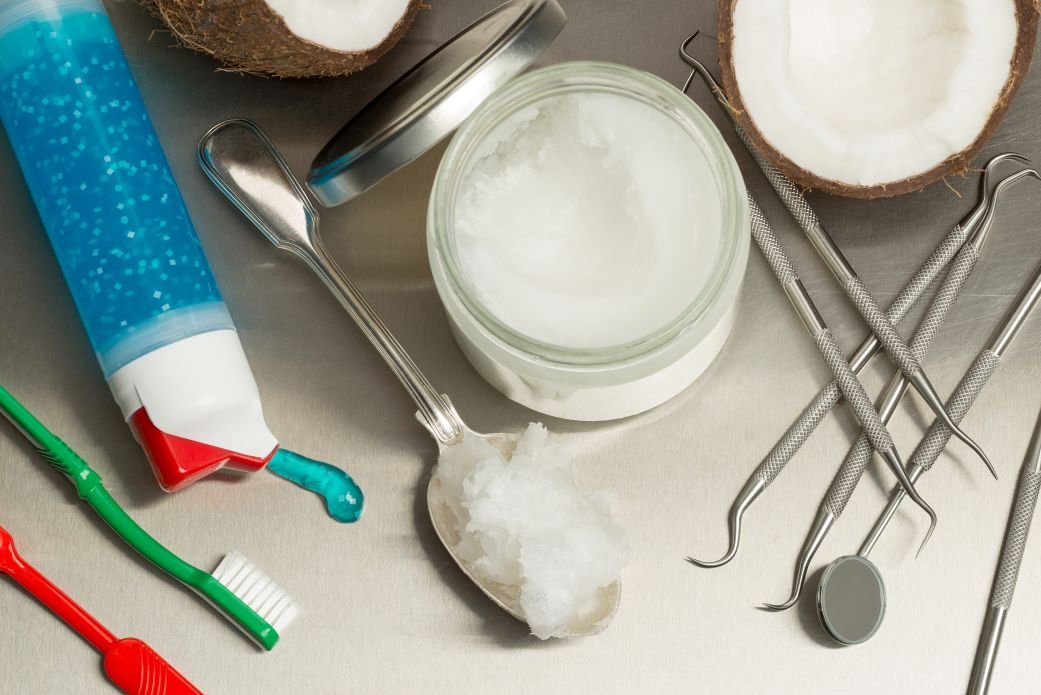
Oil Pulling: Natural Mouthwash or a Waste of Time?
Oil pulling has become a popular wellness trend, with social media users claiming that swishing coconut oil around the mouth can whiten teeth, freshen breath and improve Oral Health. The practice, which involves moving edible oil between the teeth before spitting it out, is often promoted as a natural alternative to conventional mouthwash.
But does oil pulling actually work?
Rooted in Ayurveda, the traditional Indian system of medicine, oil pulling has been practised for thousands of years. Today, it is experiencing renewed attention as people explore natural approaches to everyday health and hygiene. Supporters believe the technique can reduce harmful bacteria and improve the balance of microorganisms in the mouth.
However, dental experts caution that evidence supporting these claims remains limited. Although some research suggests oil pulling may reduce the number of bacteria in the mouth, there is insufficient reliable evidence that it prevents cavities, whitens teeth or provides substantial benefits beyond established oral hygiene practices.
According to Dr Matthew Messina, a consumer advisor for the American Dental Association and director of Ohio State Upper Arlington Dentistry, there is no convincing scientific evidence demonstrating clear oral health benefits from oil pulling.
The key question, therefore, is whether adding this lengthy ritual to a daily routine offers meaningful benefits or simply takes time away from practices that are already known to protect teeth and gums.
What Is Oil Pulling and How Does It Work?
Oil pulling is a traditional oral hygiene practice that involves swishing an edible oil around the mouth for several minutes before spitting it out. Coconut oil is a popular choice today, although sunflower oil, olive oil and other edible oils have also been used.
The process generally involves placing a spoonful of oil in the mouth and moving it between the teeth and around the gums. As the oil mixes with saliva, its consistency changes, making it easier to move around the mouth.
Practitioners may continue swishing for five to 20 minutes before spitting out the oil and following their usual brushing and flossing routine.
Supporters claim that the process helps remove impurities, reduces bacteria, improves breath and makes teeth appear whiter. Some also suggest that it supports a healthier oral microbiome, the community of microorganisms living in the mouth.
However, these claims need to be distinguished from scientifically established dental benefits. A practice may influence the number of bacteria detected in the mouth without necessarily preventing tooth decay, gum disease or other dental problems.
Oil pulling should not replace brushing with fluoride toothpaste, daily cleaning between the teeth or professional dental care.
Oil Pulling and Ayurveda: Where Did the Practice Begin?
Oil pulling has roots in Ayurveda, a traditional Indian healing system that includes practices intended to support overall well-being.
Historically, the technique involved moving oil around the mouth and then spitting it out. Traditional explanations suggested that the oil could draw out impurities and toxins.
In modern wellness discussions, these ideas are often linked to plaque and oral bacteria. Dental plaque is a sticky biofilm that develops on teeth and contains bacteria. If it is not removed effectively, it can contribute to tooth decay and gum disease.
However, the traditional idea of drawing toxins out of the body through oil pulling is not supported by convincing scientific evidence. The body has its own systems for processing and eliminating waste, and oil pulling has not been established as a method of detoxifying the body.
Before modern toothbrushes and toothpaste became widely available, people relied on different materials and methods to clean their teeth. Oil pulling may have served as one traditional oral hygiene practice, but its historical use does not establish that it is as effective as modern dental care.
Today, the renewed popularity of oil pulling reflects a broader interest in natural wellness routines. Yet natural products are not automatically more effective or safer than treatments supported by scientific evidence.
Does Oil Pulling Actually Improve Oral Health?
The scientific evidence on oil pulling remains limited. Some studies have examined whether the practice changes bacterial levels in the mouth, but evidence for meaningful improvements in dental health is less convincing.
A 2022 meta-analysis reported a reduction in oral bacterial counts following oil pulling. However, the available evidence was limited regarding whether it reduced plaque accumulation or gum inflammation compared with conventional oral hygiene practices.
This distinction matters because reducing bacteria in a short-term measurement does not necessarily mean preventing cavities or gum disease over time.
Dental health depends on several factors, including effective plaque removal, fluoride exposure, diet, saliva production and regular dental care. A practice that affects one laboratory measurement may not provide the broader benefits needed to protect teeth and gums.
The American Dental Association has stated that reliable scientific evidence is insufficient to establish that oil pulling reduces cavities, whitens teeth or improves overall oral health.
More rigorous research involving larger groups of participants and well-designed clinical trials would help clarify whether oil pulling offers any additional benefits.
Until stronger evidence becomes available, it should not be treated as a proven dental treatment.
Can Oil Pulling Whiten Teeth or Freshen Breath?
Two of the most common claims associated with oil pulling involve whiter teeth and fresher breath.
Does oil pulling whiten teeth?
There is insufficient reliable evidence to conclude that oil pulling produces meaningful tooth-whitening effects.
Teeth can become discoloured for several reasons, including surface stains from food and drinks, tobacco use and changes within the tooth. Different types of discolouration may require different approaches.
Brushing with fluoride toothpaste and maintaining good oral hygiene can help control plaque and certain surface deposits, but oil pulling has not been established as an effective whitening treatment.
People concerned about persistent stains should consult a dentist to identify the cause and discuss suitable options.
Can it improve bad breath?
Some people report that their mouths feel cleaner after oil pulling. However, there is not enough strong evidence to establish the practice as a reliable treatment for bad breath.
Bad breath can be associated with food particles, bacterial buildup on the tongue, gum disease, dry mouth and other oral or medical conditions.
Regular brushing, cleaning between the teeth and gently cleaning the tongue may help improve everyday breath. Persistent bad breath should be assessed by a dentist because it can sometimes indicate an underlying problem.
Oil pulling should not be used to mask symptoms that require professional evaluation.
Is Oil Pulling Safe? What Are the Potential Risks?
Dental experts generally do not recommend oil pulling as a necessary part of oral hygiene because its benefits have not been established convincingly. However, the practice does not automatically cause harm when performed without swallowing the oil.
There are still practical considerations.
Accidentally swallowing the oil
Oil pulling involves keeping oil in the mouth for an extended period, which may make accidental swallowing possible. Swallowing a small amount may cause gastrointestinal discomfort in some people.
The oil should be spat out after use rather than swallowed. Anyone who experiences concerning symptoms after accidentally swallowing oil should seek appropriate medical advice.
Spending less time on proven dental care
One concern is that people may spend considerable time oil pulling while neglecting more effective practices.
Swishing oil for 15 or 20 minutes does not replace brushing, flossing or using dental products recommended for specific needs. If the ritual makes someone feel protected against cavities despite inadequate brushing, it may create a false sense of security.
Delaying treatment for dental problems
Oil pulling is not a substitute for professional treatment of gum infections, dental abscesses or tooth decay.
A dental abscess, for example, may require urgent assessment and treatment such as drainage, root canal treatment or extraction. Antibiotics may be appropriate in certain situations, but they are not a substitute for treating the source of a dental infection.
Using oil pulling instead of seeking care could allow a problem to worsen.
Anyone experiencing severe toothache, facial swelling, fever associated with dental pain or difficulty swallowing should seek urgent medical or dental attention. Difficulty breathing or swallowing in the setting of facial or neck swelling requires emergency care.
Oil Pulling vs Mouthwash: Which Is Better?
Oil pulling and conventional mouthwash are often compared because both involve moving a liquid around the mouth. However, they are not interchangeable.
Some mouthwashes contain ingredients designed to reduce bacteria associated with plaque and gum disease. Others contain fluoride, which helps strengthen tooth enamel and prevent tooth decay.
The benefits depend on the product’s ingredients and intended use. A fluoride rinse, for example, serves a different purpose from a cosmetic mouthwash designed mainly to freshen breath.
Oil pulling, by contrast, has not been shown reliably to provide the same established benefits as appropriately selected dental rinses.
Nevertheless, mouthwash is not essential for everyone, and it does not replace brushing or cleaning between the teeth. Dentists can recommend a suitable rinse based on a person’s dental health, cavity risk and specific concerns.
| Oral hygiene method | Main purpose | What to know |
|---|---|---|
| Oil pulling | Traditional practice involving swishing edible oil | Evidence for meaningful dental benefits remains limited |
| Fluoride toothpaste | Removes plaque when brushing and helps strengthen enamel | A core part of daily oral hygiene |
| Fluoride mouthwash | Provides additional fluoride exposure | May benefit people who need extra cavity protection |
| Therapeutic mouthwash | Helps manage specific oral health concerns | Benefits depend on its active ingredients and correct use |
| Floss or an oral irrigator | Cleans between teeth and along the gumline | Complements brushing by reaching areas a toothbrush may miss |
The most appropriate products depend on individual needs. People with recurring gum problems, frequent cavities or other dental concerns should ask a dentist which additional measures may be helpful.
What Is the Best Way to Maintain Healthy Teeth and Gums?
Instead of relying on an unproven oral hygiene trend, dental experts recommend prioritising practices supported by established evidence.
Brush twice a day with fluoride toothpaste
Brushing helps remove plaque and food debris from tooth surfaces. Fluoride strengthens enamel and helps protect against tooth decay.
Brush twice daily using a fluoride toothpaste and follow your dentist’s advice on brushing technique and any additional care you may need.
Clean between your teeth daily
A toothbrush cannot effectively reach every space between teeth. Daily cleaning with dental floss or an appropriate interdental cleaner helps remove plaque and food particles from these areas.
An oral irrigator may be useful for some people, depending on their needs and the advice of their dental professional.
Limit frequent exposure to sugary foods and drinks
Bacteria in dental plaque can use sugars to produce acids that damage tooth enamel. Reducing frequent sugary snacks and drinks can help lower the risk of tooth decay.
Drinking water regularly and maintaining a balanced diet can also support general and oral health.
Attend regular dental check-ups
Dental visits allow professionals to identify problems that may not cause noticeable symptoms in their early stages. The recommended frequency of visits varies depending on individual risk factors and oral health.
Professional advice is particularly important if you experience persistent bad breath, bleeding gums, tooth sensitivity or recurring dental pain.
Is Oil Pulling Worth Trying?
For people interested in traditional wellness practices, oil pulling may appear to be a simple addition to their routine. However, the current evidence does not establish that it offers meaningful benefits beyond established oral hygiene methods.
According to Dr Matthew Messina, there is little reason to expect oil pulling to deliver benefits that cannot be achieved more effectively through a consistent dental care routine.
Dentist and orthodontic specialist Dr Kami Hoss has also raised concerns about people spending time on oil pulling instead of prioritising scientifically supported oral hygiene practices.
The central issue is not simply whether swishing oil causes an immediate change in the mouth. It is whether that change translates into fewer cavities, healthier gums or better long-term oral health. Strong evidence demonstrating these outcomes remains lacking.
For most people, the time spent oil pulling would be better invested in brushing properly, cleaning between the teeth and following their dentist’s recommendations.
The Bottom Line
Oil pulling is an ancient Ayurvedic practice that has regained popularity through online wellness trends. Although some research suggests it may reduce oral bacterial counts, there is insufficient reliable evidence that it prevents cavities, whitens teeth or improves gum health.
It should never replace brushing twice a day with fluoride toothpaste, daily cleaning between the teeth or professional treatment for dental problems.
People who enjoy oil pulling should understand its limitations and avoid swallowing the oil. Those experiencing persistent bad breath, bleeding gums, tooth pain or other oral health concerns should seek advice from a dentist rather than relying on a home remedy.
When it comes to protecting your teeth, proven oral hygiene practices remain a better investment of your time than an unproven 20-minute oil-pulling routine.
For breaking news and live news updates, like us on Facebook or follow us on Twitter and Instagram. Read more on Latest Health on thefoxdaily.com.






COMMENTS 0