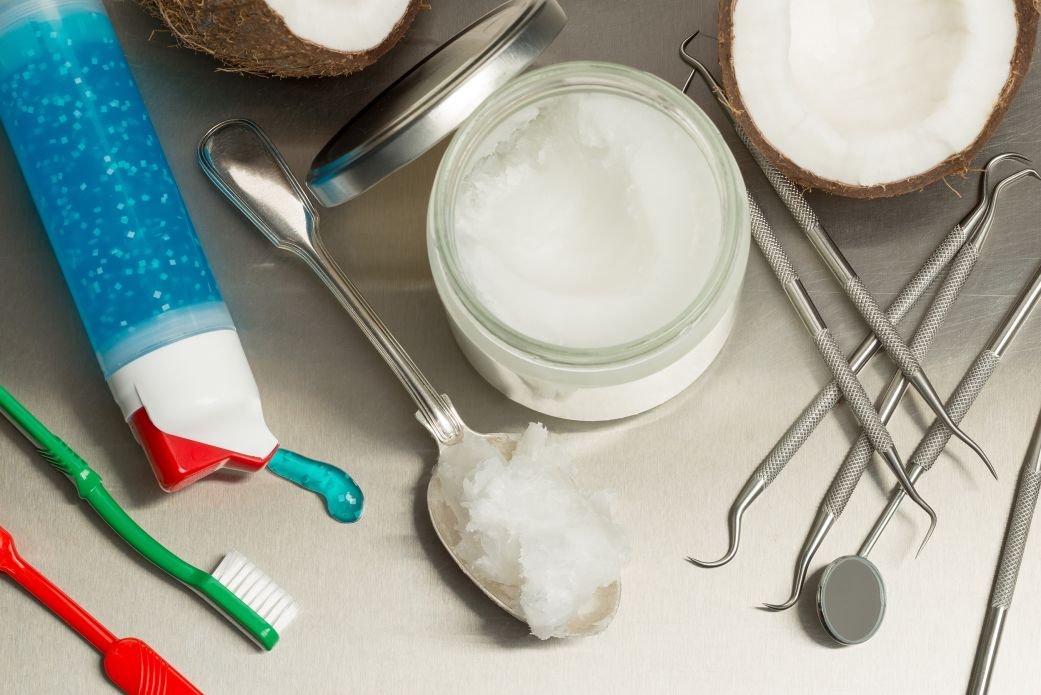
Oil Pulling: Natural Mouthwash or a Waste of Time?
Oil pulling has returned to the spotlight as a popular natural oral hygiene practice, with wellness influencers promoting it as a way to freshen breath, whiten teeth and improve overall mouth health. Rooted in Ayurveda, the traditional Indian system of medicine, the practice involves swishing edible oil around the mouth before spitting it out.
Coconut oil is one of the most commonly used options, although sunflower and olive oils have also been associated with the practice. Supporters claim that oil pulling can remove harmful bacteria, improve gum health and even support the body’s broader well-being.
But does the science support these claims?
Dental experts say the evidence remains limited. Some research suggests oil pulling may reduce the number of bacteria detected in the mouth, but there is not enough reliable evidence to establish that it prevents cavities, whitens teeth or offers benefits comparable to established oral hygiene practices.
For people considering oil pulling, the most important distinction is between using it as an optional wellness ritual and relying on it as a substitute for brushing, flossing or professional dental treatment.
What Is Oil Pulling, and How Does It Work?
Oil pulling is an oral hygiene practice in which a person swishes an edible oil around the mouth, moving it between the teeth and across the gums before spitting it out.
The routine typically involves using coconut, sunflower or olive oil. Some modern routines recommend swishing for five to 20 minutes, although the exact duration varies among practitioners and online recommendations.
People who practise oil pulling often do so before brushing their teeth. They may repeat the routine several times a week, believing that the oil helps remove impurities and leaves the mouth feeling cleaner.
The practice is sometimes described as a natural alternative to mouthwash. However, this comparison can be misleading because oil pulling and conventional mouthwash do not necessarily perform the same functions.
Commercial mouthwashes may contain ingredients designed to reduce particular oral bacteria, deliver fluoride or address specific dental concerns. Oil pulling has not been shown to provide the same established benefits.
The key takeaway: Oil pulling is a traditional oral care practice, but it has not been proven to replace standard dental hygiene.
The Ancient Ayurvedic Practice Behind Oil Pulling
Oil pulling has roots in Ayurveda, a traditional Indian system of healing that dates back thousands of years.
In traditional practice, swishing oil around the mouth was believed to help remove impurities and promote oral cleanliness. The idea of drawing toxins out of the mouth became a central part of how the practice is described in modern wellness content.
Today, social media has helped bring the ritual to a wider audience. Videos often show people taking a spoonful of coconut oil, swishing it around their mouths and spitting it out before brushing.
The revival also reflects growing interest in natural wellness routines and traditional remedies. Some people prefer practices that appear simple, inexpensive and easy to incorporate into their daily lives.
However, a practice’s historical significance does not establish that every claimed health benefit is scientifically proven.
Modern dentistry relies on clinical evidence to determine whether a treatment prevents disease, improves Oral Health or provides benefits beyond existing methods.
Toothpaste containing fluoride, regular brushing and cleaning between the teeth remain central to evidence-based oral hygiene.
Does Oil Pulling Actually Improve Oral Health?
The scientific evidence on oil pulling is limited. Some studies have examined whether swishing oil can reduce oral bacteria, but reducing bacterial counts in a short-term study is not the same as proving that a practice prevents dental disease.
A 2022 meta-analysis reported a reduction in oral bacterial counts associated with oil pulling. However, the available evidence was limited regarding its effects on plaque accumulation and gum inflammation compared with standard oral hygiene routines.
The findings therefore do not establish oil pulling as a reliable method for preventing cavities or periodontal disease.
1. Can oil pulling reduce bacteria in the mouth?
Some research suggests that oil pulling may reduce the number of bacteria detected in the mouth under certain study conditions.
However, the oral microbiome is complex. The mouth naturally contains many types of microorganisms, and their presence does not automatically indicate poor health.
The important question is whether an intervention helps prevent problems such as tooth decay and gum disease. Evidence that a practice changes bacterial counts does not, by itself, demonstrate those clinical benefits.
More rigorous research involving larger groups of participants and well-designed comparisons is needed to clarify the potential effects of oil pulling.
2. Does oil pulling prevent cavities?
There is insufficient reliable evidence to establish that oil pulling prevents dental cavities.
Cavities develop when acids produced by bacteria contribute to the breakdown of tooth enamel. Frequent exposure to fermentable sugars, inadequate oral hygiene and other risk factors can contribute to tooth decay.
Fluoride helps strengthen enamel and supports the prevention of cavities. Brushing twice daily with fluoride toothpaste is therefore an important part of routine oral care.
Replacing brushing with oil pulling could leave a person without the established protection offered by fluoride toothpaste.
3. Can oil pulling whiten teeth?
Oil pulling is frequently promoted online as a natural teeth-whitening technique. However, there is not enough reliable scientific evidence to establish that it produces meaningful whitening.
Teeth can appear discoloured because of surface stains, changes within the tooth or other dental conditions. Different causes require different approaches.
Oil pulling should not be considered a proven whitening treatment. Anyone concerned about persistent discolouration can consult a dentist to identify its cause and discuss suitable options.
4. Does oil pulling freshen breath?
Some people may feel that their mouths are cleaner after oil pulling, but reliable evidence that the practice consistently treats bad breath is limited.
Persistent bad breath can have several causes, including bacteria on the tongue, gum disease, tooth decay, dry mouth and certain medical conditions.
Maintaining good oral hygiene, cleaning the tongue when appropriate, staying hydrated and addressing underlying dental problems are more established approaches.
If bad breath continues despite routine care, a dental examination may help identify the cause.
Is Oil Pulling Better Than Regular Mouthwash?
Oil pulling and conventional mouthwash should not be treated as interchangeable products.
Some mouthwashes contain antibacterial ingredients intended to help control bacteria associated with gum disease or tooth decay. Fluoride mouth rinses can also help protect teeth against cavities when used appropriately.
The benefits depend on the ingredients and the purpose of the product. Not every mouthwash provides the same effects, and mouthwash is not essential for every person.
Oil pulling, by comparison, does not have the same level of evidence supporting specific oral health outcomes.
According to the dental guidance described in the source material, oil pulling has not been established as an effective treatment for cavities, gum disease or other major oral health conditions.
Even conventional mouthwash is generally an addition to, rather than a replacement for, brushing and cleaning between the teeth.
A sound daily oral hygiene routine includes:
-
Brushing twice a day with fluoride toothpaste.
-
Cleaning between the teeth once a day using dental floss or an appropriate interdental cleaner.
-
Using a mouthwash when it is suitable for individual dental needs.
-
Attending dental appointments as recommended.
-
Seeking professional care for persistent pain, bleeding gums or other concerning symptoms.
These steps address oral hygiene needs more directly than relying on an unproven natural remedy.
Is Oil Pulling Safe? What Are the Possible Downsides?
Dental experts have not identified strong evidence that oil pulling is inherently harmful when performed carefully, but the available evidence does not establish its effectiveness either.
One practical concern is accidentally swallowing the oil. Swallowing a small amount may cause gastrointestinal discomfort in some people. People should avoid deliberately swallowing the oil used for rinsing.
Another concern is the time involved. Swishing oil for as long as 20 minutes can become a lengthy addition to a daily routine, particularly if it distracts from more effective oral care practices.
There is also a risk of developing a false sense of protection. Someone who believes oil pulling is preventing cavities may delay seeking treatment for a dental problem.
Oil pulling cannot reliably diagnose or treat an infection, remove established dental decay or replace professional dental procedures.
People who choose to try it should continue brushing with fluoride toothpaste and cleaning between their teeth. They should also seek dental advice if they develop tooth pain, persistent gum bleeding, swelling or other symptoms.
Why Dentists Warn Against Replacing Proven Treatments With Oil Pulling
One of the biggest concerns surrounding natural wellness trends is the possibility that people may use them instead of treatments supported by scientific evidence.
Oil pulling may seem harmless as an optional ritual, but the situation changes when someone relies on it to manage a dental condition.
For example, a dental abscess or significant gum infection requires professional assessment. Depending on the diagnosis, treatment may involve drainage, dental procedures, medication or other interventions selected by a qualified clinician.
Oil pulling has not been established as a treatment for these conditions.
Delaying appropriate care can allow some dental problems to worsen. A dental infection accompanied by facial swelling, fever or difficulty swallowing requires urgent medical or dental attention.
The same principle applies to tooth decay. Once a cavity has developed, swishing oil cannot be relied upon to repair the damaged tooth.
Natural products can have a place in personal routines, but they should not be confused with treatments proven to prevent or manage disease.
What Do Dental Experts Say About Oil Pulling?
Dr Matthew Messina, a consumer adviser for the American Dental Association and director of Ohio State Upper Arlington Dentistry, said there was no scientific evidence establishing that oil pulling was beneficial, while also noting that there was no evidence it was inherently detrimental.
His assessment reflects the distinction between a practice that may be tolerated by some people and one that has been proven to improve oral health.
Messina also described how some patients reported an oily or salad-like taste after the routine and responded by brushing their teeth for longer.
In those cases, the additional brushing could be responsible for improving their oral hygiene rather than the oil pulling itself.
Dentist and orthodontic specialist Dr Kami Hoss, based near San Diego, raised a related concern about people assuming that oil pulling provides meaningful protection against dental disease.
The available research does not establish that the practice reliably prevents cavities or periodontal disease. More extensive studies, including larger randomised trials, would be needed to evaluate its possible benefits more confidently.
The broader message from these expert perspectives is that time spent on oral care is most useful when it supports practices with established benefits.
How to Maintain Healthy Teeth Without Relying on Oil Pulling
People interested in improving their oral health do not need a lengthy oil-pulling ritual to establish an effective daily routine.
Brush twice daily. Use fluoride toothpaste and a soft-bristled toothbrush. Clean all tooth surfaces carefully rather than brushing only the areas that are easy to reach.
Clean between your teeth. Dental floss or an appropriate interdental cleaner can help remove plaque and food particles from spaces a toothbrush may not reach effectively.
Consider mouthwash for a specific purpose. A dentist can advise whether a fluoride rinse or another mouthwash is appropriate for your needs.
Pay attention to gum symptoms. Persistent bleeding, swelling, tenderness or bad breath may indicate a problem that requires professional assessment.
Limit frequent sugar exposure. Frequent consumption of sugary foods and drinks can increase the risk of tooth decay. A balanced diet and good daily hygiene support dental health.
Attend dental check-ups. Professional examinations can help identify problems before they become more serious and allow dentists to recommend appropriate preventive care.
These steps offer a more reliable foundation for oral health than depending on an unproven remedy.
The Verdict: Is Oil Pulling Worth Your Time?
Oil pulling remains an ancient Ayurvedic practice that has found a new audience through social media and the popularity of natural wellness routines.
Some research suggests it may reduce oral bacterial counts, but the evidence is not strong enough to establish that it prevents cavities, whitens teeth or improves gum health beyond standard oral hygiene.
Dental experts therefore do not recommend treating oil pulling as a substitute for brushing, flossing or professional Dental Care.
People who enjoy the ritual may choose to use it as an optional addition, provided they do not swallow the oil or allow the practice to interfere with proven oral hygiene habits. However, there is no established need to spend 20 minutes swishing oil to maintain healthy teeth.
For most people, the priority should remain simple: brush twice daily with fluoride toothpaste, clean between the teeth once a day and seek professional advice when dental problems arise.
Oil pulling may be a traditional ritual, but healthy teeth depend on consistent, evidence-based oral care not on the promise of a natural detox.
For breaking news and live news updates, like us on Facebook or follow us on Twitter and Instagram. Read more on Latest Health on thefoxdaily.com.






COMMENTS 0