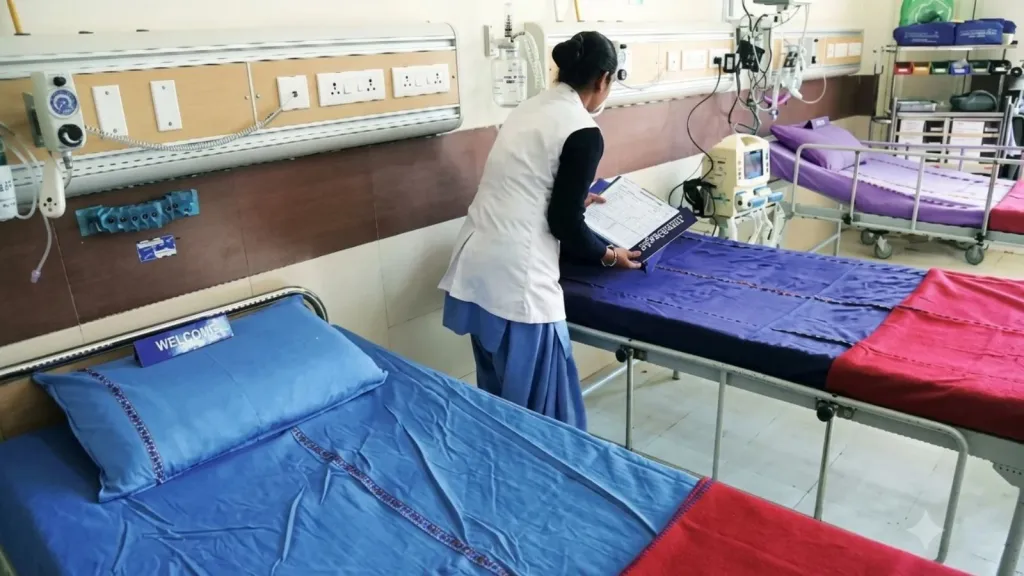
A two-year-old boy has died in Kerala’s Alappuzha district in a case in which a postmortem examination reportedly pointed to malnutrition and starvation. The child’s death has prompted a police investigation, an inquiry by the state child rights commission and intervention by the district Child Welfare Committee, which has taken custody of his four surviving siblings.
The toddler was found dead at his home in Karthikappally on Sunday morning, a day after his 30-year-old mother gave birth to her seventh baby at a government medical college hospital in Alappuzha. According to the reported postmortem findings, the child had suffered from severe malnutrition and starvation.
The case has raised serious concerns about the children’s living conditions, access to adequate nutrition and the effectiveness of earlier child protection interventions. Officials have said that government departments had previously attempted to address concerns about the family’s childcare arrangements, while local representatives have alleged that the parents did not consistently follow instructions intended to protect the children’s well-being.
The boy’s father, who works as an auto-rickshaw driver, reportedly attributed the death to financial difficulties. However, the precise circumstances surrounding the child’s death and the allegations of parental neglect require investigation. The postmortem findings and the police case form part of that process, rather than establishing criminal responsibility by themselves.
Two-Year-Old Found Dead at Home in Alappuzha
The child was found dead at his residence in Karthikappally, in Kerala’s Alappuzha district, on Sunday morning. His mother was at the government medical college hospital in Alappuzha, where she had delivered her seventh baby on Saturday night.
The timing of the two events brought renewed attention to the family’s circumstances and the condition of the surviving children. According to the reported medical findings, the toddler had experienced severe nutritional deprivation before his death.
The child reportedly weighed just 7 kilograms, substantially below the stated average weight range of 10 to 15 kilograms for a two-year-old. Although weight alone cannot establish the cause of death, the reported postmortem findings indicated that malnutrition and starvation were involved.
Following the examination, police registered a case of unnatural death. The investigation will be important in establishing the circumstances in which the child died and determining whether any further legal action is warranted.
The case has also drawn attention to the distinction between poverty-related hardship and possible neglect. Financial difficulties can make it harder for families to secure adequate food, healthcare and other necessities. However, concerns about a child’s access to basic nutrition require a response that assesses the child’s immediate safety and the family’s circumstances.
The father’s reported explanation that financial constraints contributed to the tragedy is one part of the account. It does not, by itself, establish the full sequence of events or resolve questions about whether the child received adequate care.
Child Welfare Committee Takes Four Surviving Children Into Care
On Monday, the district Child Welfare Committee took custody of the couple’s four surviving children, all girls, amid growing concerns about the family’s childcare arrangements and allegations of parental neglect.
The intervention followed the toddler’s death and reports that government officials had previously raised concerns about the children’s welfare. The state child rights commission also initiated an inquiry into the matter.
The immediate priority for child protection authorities is to ensure that the surviving children have access to food, safe accommodation, healthcare and other essential support. Their individual circumstances will need to be assessed to establish whether they have nutritional deficiencies, medical needs or other vulnerabilities requiring attention.
Taking children into care is a significant protective intervention, particularly when authorities believe their safety or well-being may be at risk. Such decisions require an assessment of the circumstances and must be handled in accordance with the applicable child protection framework.
The intervention also raises questions about what happened during earlier efforts to support the family. If concerns had been identified previously, the inquiry may examine what measures were attempted, why the children returned to the household and whether additional safeguards could have prevented further harm.
Those questions are particularly important because child protection often depends on sustained monitoring and coordination between local authorities, healthcare workers and welfare agencies, rather than a single intervention.
Kerala Minister Says Officials Had Intervened Earlier
State Minister for Women and Children’s Welfare Bindu Krishna said the department had intervened several times in an effort to ensure the children’s well-being.
According to the minister, officials had previously met the parents after concerns emerged about the care the children were receiving. She said the department had also moved the children to care homes before they were returned to their parents.
“Realising that the children were not getting proper care, the department officials had met the parents and had shifted the children to care homes. But recently they forcibly took the children back to their house,” Bindu Krishna said.
The minister’s statement suggests that concerns about the children’s circumstances predated the toddler’s death. It also indicates that earlier efforts to place the children in protective care did not result in a lasting arrangement.
However, the full details of those interventions, including the legal circumstances under which the children were returned to their parents, have not been established in the supplied account. The child rights commission’s inquiry may help clarify the decisions made by the authorities and the safeguards available at each stage.
When children are considered vulnerable, welfare departments must often balance the need to protect them against the importance of assessing family circumstances and determining whether safe care can be maintained within the household. Where an initial intervention does not resolve the underlying concerns, continued assessment may be necessary.
The reported history makes the current inquiry important not only for understanding the toddler’s death but also for examining whether the surviving children received adequate protection before the latest intervention.
Local Representative Alleges Parents Did Not Follow Childcare Advice
Karthikappally panchayat member Siny Anil said the family had received assistance through the Integrated Child Development Services programme under the Women and Children’s Welfare Department. She alleged that the parents were reluctant to follow guidance on childcare despite efforts to support them.
According to Anil, the family had been provided with the supplements available through the programme. She also said the children had previously been moved to a care centre but were returned to their parents after the mother threatened to end her life.
“The Integrated Child Development Service (under the Women and Children’s Welfare Department) had provided the family with all mandatory supplements. But the parents were reluctant to follow our directions about childcare,” Siny Anil said.
Her account points to a possible gap between providing welfare assistance and ensuring that children consistently receive the care they need. Food supplements and other services can support child development, but their effectiveness depends on whether the assistance reaches the intended recipients and whether additional medical or social interventions are needed.
The allegations also raise questions about how authorities respond when a parent resists a recommended intervention or when a family situation complicates efforts to protect children. Such cases can require coordination among child welfare officials, healthcare workers, local representatives and other relevant agencies.
These statements remain attributed allegations and should be distinguished from findings that may emerge through the official inquiry. Establishing what assistance was provided, how the family responded and whether further action was possible will require a closer examination of the available records and circumstances.
Concerns About the Children’s Nutrition and Education
Anil also alleged that the children did not attend school and that their basic needs, including food, were not being adequately addressed. She said the father was not keen to take responsibility for raising the children and meeting their essential needs.
If substantiated, these concerns would point to difficulties extending beyond the toddler’s nutritional condition. Access to adequate food, healthcare and education is central to children’s development, and persistent problems in any of these areas may indicate a need for broader family support or protective intervention.
However, the supplied report does not provide an independently established account of each surviving child’s health, educational status or daily living conditions. Those details would need to be assessed by the authorities responsible for their care.
For the surviving siblings, a comprehensive assessment would help establish whether they require medical examinations, nutritional support, educational assistance or psychological care following the death of their brother and their transfer into protective custody.
Children who have experienced unstable care arrangements may need continuity and reassurance alongside immediate physical support. Appropriate planning can help ensure that their placement addresses both their safety and their longer-term developmental needs.
Previous Death of Another Baby Raises Further Questions
The local panchayat member also alleged that the couple had lost another baby a few years earlier. According to her account, the parents had said that the child suffered a serious fall and sustained injuries.
The circumstances of that earlier death have not been established in the supplied report. The account does not confirm whether it was investigated or whether authorities reached any formal conclusion about what happened.
The reference to the earlier incident may nevertheless become relevant if investigators and child protection officials examine the family’s history. A careful review could help establish whether there were previous concerns about the children’s safety, whether those concerns were documented and whether any connection exists between the earlier incident and the current case.
It would be inappropriate to conclude from the reported allegation alone that the two deaths were connected or that the earlier death involved neglect. Any such determination would require evidence and, where relevant, the findings of an official investigation.
The priority remains establishing the facts surrounding the toddler’s death while ensuring that the surviving children are safe and receiving appropriate care.
Family Planning Concerns Mentioned by Local Representative
Anil also alleged that the family had been reluctant to consider family planning. She said the mother had told Accredited Social Health Activist (ASHA) workers that she was afraid of undergoing medical procedures.
According to the local representative, the mother had her first delivery at the age of 19. The supplied account does not provide further details about the family’s discussions with healthcare workers or the medical advice that may have been offered.
These statements introduce a separate issue from the immediate investigation into the child’s death. Decisions about contraception and family planning can be influenced by personal preferences, concerns about medical procedures, access to healthcare and the information available to families.
Such decisions should not be treated as evidence of neglect by themselves. The central question in the current case is whether the children’s basic needs were met and whether authorities responded appropriately to any identified risks.
Any assessment of family planning concerns should therefore remain distinct from the investigation into the toddler’s death. The circumstances of each child, the family’s access to support and the evidence surrounding the reported nutritional deprivation require separate consideration.
What Is the Role of Integrated Child Development Services?
Integrated Child Development Services, commonly known as ICDS, is a government programme designed to support the health and development of young children and other eligible beneficiaries. Its services have traditionally included supplementary nutrition and other forms of support delivered through the wider system of child development and community health services.
In cases involving children at risk of malnutrition, nutrition support can be an important part of the response. However, a child’s condition may require more than the provision of supplements, particularly where severe undernutrition, illness or difficulties in the home environment are suspected.
Health assessments can help identify nutritional deficiencies and determine whether a child needs additional medical treatment. Regular monitoring may also help identify whether an intervention is improving the child’s condition or whether further action is necessary.
The allegations made by the panchayat member suggest that welfare services had been involved with the family before the toddler’s death. The official inquiry may need to establish which services were provided, whether the children were assessed regularly and whether the available support was sufficient to address the concerns reported.
It is important not to assume that the provision of supplements alone proves that a child’s nutritional needs were adequately met. Equally, the child’s death does not by itself establish that a particular official or programme failed. Determining whether any gaps existed requires a review of the family’s circumstances, the support delivered and the decisions made by the relevant authorities.
Why the Child Rights Commission Has Initiated an Inquiry
The state child rights commission has initiated an inquiry following the toddler’s death and the allegations concerning the family’s treatment of the children.
An inquiry can help establish the sequence of events, review earlier interventions and assess whether the relevant authorities took appropriate steps after concerns emerged. It may also examine the circumstances in which the surviving children were previously placed in care and subsequently returned to the household.
The inquiry is particularly significant because the reported concerns appear to have existed before the latest tragedy. Establishing whether those concerns were formally recorded, how they were assessed and what follow-up occurred could help clarify the circumstances surrounding the family’s interactions with welfare services.
The police investigation and the child rights inquiry serve related but distinct purposes. Police are examining the circumstances surrounding the death through the case registered as an unnatural death, while the child rights commission can examine matters falling within its remit concerning the children’s welfare and the response of relevant authorities.
The available information does not establish the final findings of either process. Until further details are released, allegations of neglect and questions about official responsibility should remain matters for investigation rather than being treated as settled conclusions.
Financial Hardship and Child Protection: What the Case Highlights
The father reportedly attributed the toddler’s death to financial constraints. Economic hardship can create serious challenges for families attempting to meet the needs of several children, especially when household income is limited or irregular.
Food insecurity can affect children’s nutrition and development, while financial pressures may make it more difficult to access healthcare, maintain stable housing or meet educational expenses. Families experiencing these difficulties may need timely assistance from welfare programmes and local support systems.
At the same time, financial hardship and child protection concerns must be assessed carefully. Poverty alone does not establish parental neglect, and a family’s financial circumstances should not be used as a substitute for evidence about what happened to a child.
Where a child shows signs of severe malnutrition, the response needs to focus on the immediate medical situation and the conditions contributing to it. That may involve nutritional treatment, health monitoring, family support and, where necessary, protective measures to ensure the child can receive appropriate care.
The case underscores the importance of identifying children at risk before their conditions become life-threatening. Community health workers, local representatives and child welfare officials may each encounter different aspects of a family’s circumstances. Effective coordination can help ensure that concerns are assessed together rather than handled as isolated problems.
Whether any specific failures occurred in this case remains to be established. The broader issue is how authorities can identify serious risks, provide effective assistance and intervene when a child’s basic needs may not be met.
What Happens Next in the Kerala Child Death Case?
The next steps will depend on the findings of the police investigation, the child rights commission’s inquiry and the assessments conducted by child welfare authorities.
Several issues may require clarification as the investigations proceed:
- Circumstances of the death: Investigators will need to establish the sequence of events leading to the toddler being found dead and examine the reported postmortem findings.
- Earlier welfare interventions: Authorities may review the previous efforts to support the family, including the reported placement of the children in care and their subsequent return home.
- Condition of the surviving siblings: The four girls will need appropriate assessments to identify any nutritional, medical, educational or psychological support they may require.
- Role of government services: The inquiry may examine the assistance provided by welfare departments and whether additional measures were warranted in light of the concerns reported.
- Further legal action: Any decision about additional proceedings will depend on the evidence collected and the findings of the relevant authorities.
These steps are important both for establishing what happened and for ensuring that the surviving children receive suitable care. The investigations may also clarify whether earlier warning signs were identified and whether the response to them was adequate.
No final conclusions about criminal responsibility or official failures can be drawn from the supplied account alone. Those questions require the findings of the relevant investigations.
Conclusion
The death of a two-year-old boy in Kerala’s Alappuzha district, with the reported postmortem findings pointing to malnutrition and starvation, has prompted police action and renewed scrutiny of the family’s circumstances. The district Child Welfare Committee has taken custody of the four surviving siblings, while the state child rights commission has initiated an inquiry.
Statements from the state minister and a local panchayat representative indicate that welfare officials had previously attempted to address concerns about the children’s care. Allegations that the parents resisted guidance and that the children were returned home after an earlier placement in care now form part of the wider questions surrounding the case.
The father’s reported explanation of financial hardship also highlights the importance of examining the family’s economic circumstances without assuming that poverty alone establishes neglect. The investigation must establish the facts surrounding the toddler’s death and determine whether any further legal action is justified.
For now, the immediate priority is the safety and well-being of the surviving children. Their nutritional health, access to medical care, education and living arrangements will need careful attention as the authorities investigate the circumstances that led to the tragedy.
The case also highlights the importance of effective coordination between healthcare workers, welfare departments and child protection authorities when concerns emerge about a child’s basic needs. Timely assessment, sustained follow-up and appropriate intervention can be essential in protecting vulnerable children from preventable harm.
For breaking news and live news updates, like us on Facebook or follow us on Twitter and Instagram. Read more on Latest India on thefoxdaily.com.






COMMENTS 0