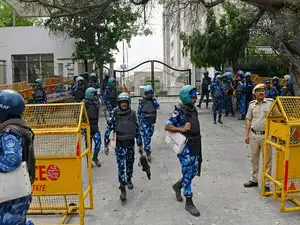
All 14 accused in the NEET-UG 2026 question paper leak case have pleaded not guilty after a special fast-track court in Delhi formally framed criminal charges against them on Saturday, November 21. The accused have chosen to face trial in a case that triggered the cancellation of the national medical entrance examination and affected lakhs of aspiring medical students across the country.
Special Judge Ajay Gupta of the Rouse Avenue Courts is hearing the case. The court has scheduled the trial to begin on November 25, with proceedings expected to take place on a day-to-day basis to ensure the matter progresses without unnecessary delays. The prosecution is expected to present witnesses and evidence gathered by the Central Bureau of Investigation (CBI) during its investigation.
The case centres on allegations that confidential NEET-UG question paper material was accessed and circulated before the examination held on May 3, 2026. The CBI has accused three subject experts associated with the National Testing Agency (NTA), along with other individuals, of being involved in an alleged network that obtained and distributed examination questions before the test.
The accused have denied the charges by pleading not guilty. The allegations will now be examined through the trial, and the prosecution will have to establish its case through admissible evidence before the court.
NEET-UG 2026 Paper Leak Case: What Happened in Delhi Court?
The latest development follows the court’s November 18 order directing that criminal charges be framed against all 14 accused. The accused were subsequently produced before the court for the formal proceedings on November 21, when they were given the opportunity to respond to the charges.
All 14 pleaded not guilty and opted to contest the allegations. This means the case will proceed to a full criminal trial rather than being resolved through guilty pleas.
The court has fixed November 25 as the starting date for the day-to-day trial. The fast-track arrangement is intended to facilitate the examination of witnesses and other evidence in a continuous manner. The case involves a substantial investigation record, multiple accused persons and allegations concerning the handling of confidential examination material.
Charges have been framed under provisions of the Bharatiya Nyaya Sanhita (BNS), the Prevention of Corruption Act, the Public Examinations (Prevention of Unfair Means) Act, 2024, and Section 63 of the Copyright Act. The charges relate to alleged offences including criminal conspiracy, cheating, criminal breach of trust, destruction of evidence, corruption and copyright infringement.
Framing charges marks an important stage in a criminal proceeding because it formally sets out the allegations that the accused will have to answer during the trial. However, it does not establish guilt. The prosecution must still present evidence, witnesses may be examined and the defence will have an opportunity to challenge the case.
Who Are the 14 Accused in the NEET-UG 2026 Paper Leak Case?
The 14 accused named in the case are Yash Yadav, Mangilal Biwal, Dinesh Biwal, Vikas Biwal, Shubham Khairnar, Dhananjay Lokhande, Prahlad Kulkarni, Tejas Harshad Kumar, Dr Manoj Shirure, Shivraj Raghunath Motegaonkar, Manisha Waghmare, Manisha Mandhare, Manisha Sanjay Havaldar and Sheshrao Bajrang Suryavanshi.
According to the investigation, three of the accused were subject experts engaged for examination-related work by the NTA. The remaining accused include individuals whom the CBI has described as candidates or alleged intermediaries suspected of helping circulate the confidential examination material.
The three subject experts identified in the investigation include Prahlad Vithalrao Kulkarni, Manisha Gurunath Mandhare and Manisha Sanjay Havaldar. They were associated with Chemistry, Biology and Physics-related examination work, respectively.
The CBI has alleged that the subject experts misused their access to confidential examination material and helped make questions available to other individuals before the scheduled test. The agency’s case also concerns the alleged role of intermediaries in distributing the material further.
These are prosecution allegations, not findings of guilt against the individuals. Their roles and the evidence attributed to each accused will be examined during the proceedings.
What Does the CBI Investigation Allege?
The CBI registered the case in May 2026 after the NTA reported that the NEET-UG question paper had allegedly been leaked before the scheduled examination. The investigation focused on how confidential questions were accessed, removed from the examination-related process and circulated outside authorised channels.
According to the agency’s chargesheet, three NTA-associated subject experts allegedly used their access to the confidential section to obtain examination questions. The CBI has alleged that the questions were taken out through different methods, including writing them on paper slips or memorising them before leaving the premises.
One of the allegations concerns Prahlad Kulkarni, who the CBI has accused of writing down Chemistry questions and their answer options on small slips of paper while working with confidential examination material. The agency has alleged that he concealed the slips while leaving the premises. Investigators have also described other alleged methods through which questions were recorded and subsequently shared.
The CBI has further alleged that the material was passed to intermediaries and circulated through a wider network before the examination. The investigation examined the alleged use of hotel premises and communication channels to facilitate access to and distribution of the questions.
Another part of the investigation concerns the alleged involvement of individuals who approached candidates with offers of access to the question paper. In its supplementary chargesheet, the CBI named Sheshrao Bajrang Suryavanshi as the 14th accused. The agency has alleged that he approached NEET aspirants and offered to arrange access to the paper through a contact in exchange for money.
The prosecution will have to establish these allegations through witness testimony, documentary material and other evidence during the trial. The defence will also be able to question the evidence and challenge the prosecution’s account.
Why Was NEET-UG 2026 Cancelled?
The NEET-UG examination was conducted on May 3, 2026, with approximately 22 lakh candidates appearing for the medical entrance test. The examination is conducted by the National Testing Agency for admission to undergraduate medical courses across India.
However, allegations of a question paper leak emerged after the examination. The NTA subsequently cancelled the May 3 test on May 12, citing the leak-related concerns. The decision affected candidates who had prepared for the examination and had already appeared at centres across the country.
The cancellation also created uncertainty around the admission process, as students had to wait for a revised examination schedule. The NTA later conducted a re-examination on June 21, 2026.
The controversy led to protests and demands for accountability over the security of confidential examination material. Questions were raised about how questions could allegedly be accessed before the test and whether the safeguards surrounding the examination process were adequate.
The case consequently became more than an investigation into individual wrongdoing. It raised broader concerns about examination security, institutional accountability and the impact of paper leaks on students competing for limited medical education seats.
Which Laws Have Been Invoked Against the Accused?
The court has framed charges under multiple legal provisions invoked by the CBI. These include provisions of the Bharatiya Nyaya Sanhita, the Prevention of Corruption Act, the Public Examinations (Prevention of Unfair Means) Act, 2024, and the Copyright Act.
The allegations under the BNS concern offences such as criminal conspiracy, cheating, criminal breach of trust and destruction of evidence. The Prevention of Corruption Act provisions relate to alleged corruption connected with the handling of examination material, while the Public Examinations Act addresses unfair practices involving public examinations.
The court has also framed charges under Section 63 of the Copyright Act, which deals with infringement of copyright and certain other rights. The prosecution’s argument is that the question paper sets prepared for the NTA were protected intellectual property and that their alleged unauthorised extraction and circulation attracted the relevant provision.
The court’s proceedings will determine whether the prosecution can prove the offences alleged under these laws. Each charge must be assessed on the basis of the evidence and the legal requirements applicable to it.
CBI Chargesheet and Evidence: What Happens Next?
The CBI initially filed a chargesheet against 13 accused in the case and later submitted a supplementary chargesheet naming Sheshrao Bajrang Suryavanshi as the 14th accused. The investigation record includes documents and material collected by the agency to support its allegations about the alleged leak and distribution network.
Reports on the case have described the chargesheet as running into nearly 20,000 pages, reflecting the scale of the investigation and the number of individuals and events examined by the agency.
With the accused having pleaded not guilty, the next major stage will be the presentation of prosecution evidence. Witnesses are expected to be examined from November 25 as the court begins the scheduled day-to-day proceedings.
The prosecution will seek to establish how confidential questions were allegedly accessed, who was involved in their circulation and what roles the individual accused are alleged to have played. Documentary records, communication evidence and witness accounts may form part of the evidence presented before the court.
The defence will have the opportunity to cross-examine prosecution witnesses and challenge the material relied upon by the CBI. The court will consider the evidence presented by both sides before reaching any conclusion on the charges.
Why the NEET-UG 2026 Trial Matters for Medical Aspirants
NEET-UG is one of India’s largest competitive entrance examinations, with lakhs of students appearing each year for admission to undergraduate medical programmes. The fairness and confidentiality of the examination process are therefore central to the credibility of the admission system.
The 2026 paper leak controversy disrupted the admission process and forced candidates to prepare for another examination after the original test was cancelled. Students also faced uncertainty over schedules, preparation plans and the time required to complete the admission process.
The case has highlighted the consequences of weaknesses in examination security. When confidential questions are allegedly accessed or circulated before a test, the credibility of the results can be undermined, even for candidates who followed the rules and prepared without access to unauthorised material.
The day-to-day trial is expected to bring the allegations and the evidence supporting them before the court. Its proceedings will be closely watched by students, parents and the wider education community, particularly because the case concerns the handling of confidential material by individuals allegedly entrusted with examination-related responsibilities.
What to Expect From the NEET-UG 2026 Paper Leak Case
The next key date is November 25, when the special fast-track court is scheduled to begin day-to-day trial proceedings. The prosecution will start presenting its evidence, and the court will oversee the examination of witnesses and other stages of the criminal process.
The fact that all 14 accused have pleaded not guilty means the prosecution will have to prove its allegations through the trial. The court’s decision will depend on the evidence placed on record and the arguments advanced by both sides.
For now, the case has moved from the investigation and charge-framing stages to a full trial. The proceedings will be significant not only for determining individual criminal responsibility but also for examining how confidential examination material was allegedly compromised in a test taken by around 22 lakh medical aspirants.
For breaking news and live news updates, like us on Facebook or follow us on Twitter and Instagram. Read more on Latest India on thefoxdaily.com.






COMMENTS 0