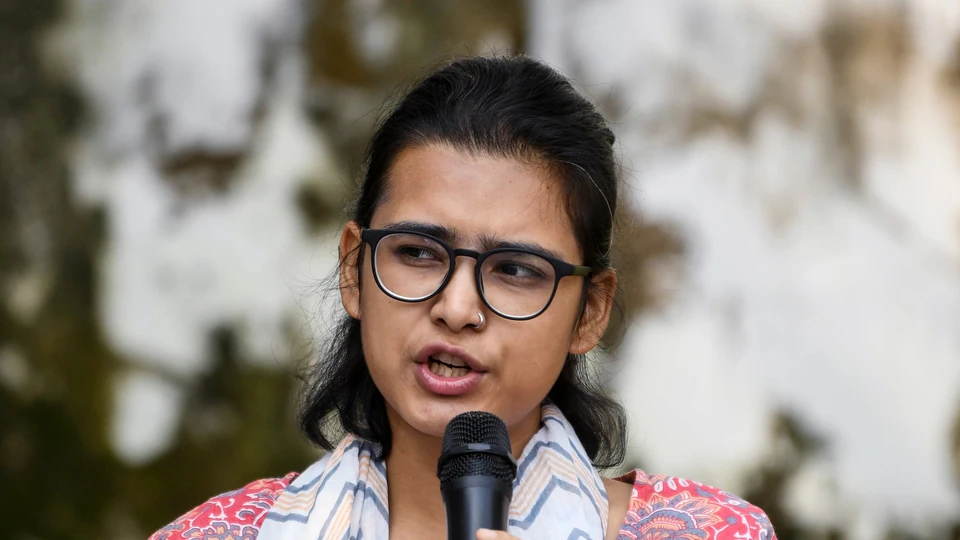
A Special Executive Magistrate (SEM) court in Delhi has directed the Delhi Police to provide All India Students’ Association (AISA) president Neha Bora with copies of six FIRs registered against her by November 20. The cases were cited by the police as her criminal antecedents while initiating preventive proceedings that could require her to furnish a peace bond.
The direction, issued by Special Executive Magistrate Ritu Raj on Wednesday, came after Bora’s counsel, advocate Abhik Chimni, argued that the documents previously supplied by the police were incomplete and did not contain sufficient details of the six FIRs. He said the missing records were necessary for Bora to prepare an effective response to the proceedings.
The police told the court that the FIRs were sensitive in nature and would be provided by the next hearing on November 20. The matter follows the Delhi High Court’s dismissal of Bora’s challenge to the peace-bond proceedings on October 23, while directing authorities to furnish the material relied upon against her.
Why the SEM Court Ordered Delhi Police to Provide the FIRs
The latest direction concerns the documents the police relied upon when initiating preventive proceedings against Bora. Her counsel argued that although the authorities had cited six FIRs as part of her alleged criminal antecedents, copies of those cases had not been provided to the defence.
According to Chimni, the documents already supplied by the police did not adequately disclose the details of the FIRs. Without access to the underlying records, he argued, Bora could not properly respond to the allegations or explain her position during the proceedings.
The police had previously provided a kalandara dated October 17, along with three general diary entries from different police stations. A kalandara is a police report submitted to a magistrate in connection with certain proceedings.
However, Bora’s counsel maintained that these documents were insufficient because they did not include complete copies of the six FIRs being relied upon by the authorities.
The police, represented by legal consultants Prashant Prakash and Bhagwan Dass, told the court that the FIRs were sensitive and would be furnished by the next date of hearing. The SEM subsequently directed that the copies be provided by November 20.
The order addresses a key procedural issue in the case: whether Bora has been given access to the material that the police intend to use during the inquiry before a decision is taken on requiring her to execute a peace bond.
Delhi High Court Had Directed Police to Share All Relevant Material
The SEM court’s latest direction follows the Delhi High Court’s October 23 decision dismissing Bora’s challenge to the preventive proceedings. While upholding the notice issued against her, the High Court directed the police to provide all material relied upon to initiate the proceedings.
The High Court also asked the SEM to ensure that the principles of natural justice were followed before passing any order requiring Bora to furnish a bond.
Natural justice generally requires that a person affected by a decision be given a fair opportunity to understand and respond to the material being considered against them. In Bora’s case, the availability of the six FIRs has become an important issue because the police cited those cases as part of the basis for initiating proceedings.
The High Court had held that sufficient material was available before the SEM to initiate proceedings under Sections 126 and 130 of the Bharatiya Nagarik Suraksha Sanhita (BNSS). However, it also directed that the material on which the authorities intended to rely during the inquiry be furnished to Bora.
The distinction is important: the High Court’s decision allowed the preventive proceedings to continue, but it also required the authorities to disclose the material relied upon and ensure procedural fairness during the inquiry.
The November 20 deadline gives the police a further opportunity to comply with the direction concerning the FIRs. The supplied report does not indicate that the SEM has made a final decision requiring Bora to furnish the peace bond.
What Is the Peace Bond Notice Against Neha Bora?
The proceedings concern a preventive notice issued after Bora was detained during a protest march in Delhi on October 16. Following her release the next morning, the police initiated proceedings requiring her to explain why she should not be directed to furnish a personal bond of ₹10,000, along with one surety, to maintain peace.
A peace bond is a preventive legal mechanism intended to secure a person’s commitment to maintaining peace and avoiding conduct that could lead to a breach of peace. Such proceedings are distinct from a criminal conviction: the initiation of preventive action does not, by itself, establish that a person has committed an offence.
In Bora’s case, the police cited several allegations to justify their apprehension of a possible breach of peace. These included alleged provocative sloganeering, demonstrations near Jantar Mantar despite prohibitory orders and allegations that she instigated people to join a protest in Connaught Place.
The authorities relied on the cited cases and other material when issuing the show-cause notice. Bora has challenged the demand, arguing that requiring her to execute a peace bond would infringe upon the right to democratic dissent.
She has stated that she would not sign the bond and would continue to challenge its use against peaceful protesters. The dispute therefore involves both the police’s stated concerns about maintaining public order and Bora’s objections to the preventive action taken against her.
Neha Bora Was Detained During a Protest at Mandi House
The case stems from a protest march held at Mandi House on October 16, when Bora and other AISA activists were demanding the resignation of Chief Election Commissioner Gyanesh Kumar.
The protesters raised concerns over alleged irregularities in electoral rolls and the Special Intensive Revision (SIR) exercise. Their demands formed the immediate context for the demonstration during which Bora was detained.
She was released the following morning. The police then initiated preventive proceedings and issued a notice asking her to explain why she should not be required to execute the personal bond of ₹10,000 with one surety.
The police cited alleged slogans, demonstrations near Jantar Mantar despite prohibitory orders and the alleged mobilisation of people for a protest in Connaught Place as grounds for anticipating a possible breach of peace.
These remain allegations cited by the authorities in support of the preventive proceedings. The immediate issue before the SEM is the inquiry into whether a peace bond should be required and whether the procedure followed provides Bora with a fair opportunity to respond.
What Sections 126 and 130 of the BNSS Mean in This Case
The Delhi High Court referred to Sections 126 and 130 of the Bharatiya Nagarik Suraksha Sanhita while considering Bora’s challenge to the preventive proceedings.
Section 126 concerns security for keeping the peace in circumstances where an executive magistrate considers that a person may cause a breach of peace or disturb public tranquillity. The provision allows preventive proceedings to be initiated in accordance with the law.
Section 130 deals with the process of issuing an order requiring a person to show cause in proceedings concerning security for keeping the peace or maintaining good behaviour. The procedure is intended to inform the person of the grounds for the action and provide an opportunity to respond.
In Bora’s case, the High Court held that sufficient material existed for the SEM to initiate proceedings under the relevant provisions. It nevertheless directed the authorities to provide the material on which they intended to rely and asked the SEM to ensure that natural justice was observed before making an order requiring a bond.
The latest direction to supply the six FIRs relates to that requirement. Access to the records would allow Bora to examine the cases cited by the police and prepare her response to the preventive action.
Why Access to the Six FIRs Matters
The FIRs have become central to the dispute because the police cited them as part of Bora’s criminal antecedents when initiating the peace-bond proceedings. Her counsel argues that the authorities cannot reasonably rely on those records without providing the defence with copies.
Receiving the FIRs would allow Bora and her legal team to examine the allegations and details contained in the documents rather than relying solely on summaries or other police records.
The issue also concerns the fairness of the inquiry. The High Court expressly directed that the material relied upon by the authorities be provided and that the SEM follow the principles of natural justice before making a decision on the bond.
At the same time, the court’s direction to provide documents does not determine whether the allegations in the FIRs are true or whether a peace bond should ultimately be imposed. Those questions remain separate from the immediate requirement to disclose the records.
The police have said the FIRs are sensitive and would be supplied by November 20. The next hearing is therefore expected to be an important procedural stage in determining how the inquiry proceeds.
What Happens Next in the Case?
The immediate next step is for the Delhi Police to provide Bora with copies of the six FIRs by November 20, as directed by the SEM court. The documents are expected to give her legal team access to the records cited by the authorities in support of the preventive proceedings.
Once the material is supplied, Bora will have an opportunity to prepare her response in the ongoing inquiry. The SEM will have to consider the relevant material and follow the procedural safeguards identified by the Delhi High Court before deciding whether to require her to furnish a peace bond.
The High Court has already declined to stop the proceedings at the stage of Bora’s challenge, but it directed the authorities to disclose the material relied upon. The current dispute is therefore focused on compliance with those directions and the opportunity available to Bora to answer the case against her.
The supplied report does not establish the outcome of the next hearing or whether the police will seek any additional documents or orders. It also does not indicate that a final order requiring Bora to execute the peace bond has been passed.
Conclusion
A Delhi Special Executive Magistrate court has directed the police to provide AISA president Neha Bora with copies of six FIRs by November 20. The records were cited as her criminal antecedents in preventive proceedings initiated after her detention during a protest against Chief Election Commissioner Gyanesh Kumar.
The direction follows the Delhi High Court’s October 23 dismissal of Bora’s challenge to the peace-bond proceedings, accompanied by instructions to disclose the material relied upon and ensure that principles of natural justice are followed.
Bora’s counsel has argued that the documents previously supplied were incomplete, while the police have said the FIRs are sensitive and would be provided by the next hearing. The immediate focus is now on the November 20 deadline and the further progress of the inquiry into whether Bora should be required to furnish a peace bond.
For breaking news and live news updates, like us on Facebook or follow us on Twitter and Instagram. Read more on Latest India on thefoxdaily.com.






COMMENTS 0