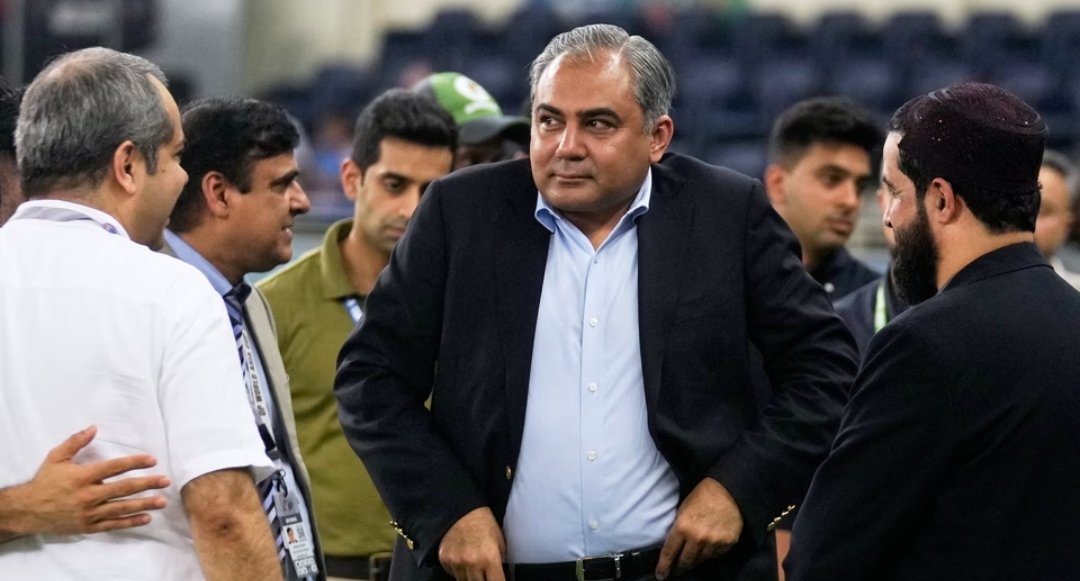
Pakistan’s Interior Minister Mohsin Naqvi has drawn widespread attention after warning that growing dissatisfaction among young people could become a powerful political force. Speaking at a public gathering, Naqvi referenced India’s widely discussed “Cockroach” student movement while expressing concern over Pakistan’s economic difficulties, mounting debt, and declining public confidence in state institutions.
His comments came during a broader discussion about Pakistan’s fiscal challenges and governance issues, where he acknowledged that the country’s economic pressures continue to weigh heavily on its future. By invoking a youth-led movement from neighboring India, Naqvi highlighted the increasing influence of organized civic activism in shaping political discourse across the region.
The remarks have generated discussion not only because of their unusual political language but also because they reflect growing concern among governments worldwide about the expectations of younger generations in an era of economic uncertainty and rapid digital communication.
What Did Mohsin Naqvi Say?
During his address, Naqvi spoke about Pakistan’s economic situation, rising debt burden, and the challenges facing the country’s governance system. While discussing growing frustration among young people, he stated that if dissatisfied youth unite, they could become a powerful force capable of bringing significant political change.
In making this point, he referred to India’s “Cockroach” movement as an example of how youth-led mobilization can attract national attention and influence political debate.
His remarks suggested that governments should take public concerns seriously rather than underestimate the collective influence of younger citizens.
Key Themes from the Speech
| Topic | Main Message |
|---|---|
| Economic Challenges | Pakistan continues facing rising debt and fiscal pressure. |
| Youth Frustration | Young people expect better opportunities and governance. |
| Governance | Naqvi acknowledged concerns about institutional performance. |
| Political Mobilization | Youth movements can significantly influence public debate. |
| Regional Reference | India’s student-led movement was cited as an illustration. |
Why India’s Student Movement Entered the Discussion
Naqvi’s reference came against the backdrop of student protests in India that focused on examination integrity and education reforms. Those demonstrations evolved into a broader public conversation about accountability, governance, and institutional transparency.
Although the issues affecting India and Pakistan differ in important ways, the minister used the example to illustrate how organized youth participation can rapidly become a significant political force.
The comparison reflects how political developments in one South Asian country are increasingly observed and discussed across the region.
Pakistan’s Economic Challenges
Economic concerns formed the central theme of Naqvi’s speech.
He highlighted the country’s debt burden and expressed concern that continued borrowing without long-term structural improvements could make economic recovery more difficult.
Public discussions surrounding Pakistan’s economy frequently focus on fiscal sustainability, inflation, employment opportunities, investment, and long-term growth strategies. These issues directly affect younger generations entering the workforce and contribute to broader public debate about governance and economic policy.
Why Youth Expectations Are Changing
Young people today have greater access to information, education, and digital communication than previous generations. Social media platforms allow ideas, campaigns, and political discussions to spread rapidly across borders.
As a result, youth increasingly expect:
- Greater transparency in public institutions.
- Better employment opportunities.
- Higher-quality education.
- Merit-based systems.
- Accountable governance.
- Meaningful participation in public decision-making.
Governments across the world are adapting to these changing expectations as younger citizens become increasingly active participants in public discourse.
How Digital Activism Is Reshaping Politics
One notable aspect of modern civic movements is the speed with which ideas spread across national boundaries.
Unlike traditional political campaigns, digital movements often develop through online communities, decentralized participation, and social media engagement. This allows discussions originating in one country to receive attention internationally within a short period.
Naqvi’s reference demonstrates how governments are increasingly aware that domestic political conversations can be influenced by developments occurring beyond their own borders.
Regional Comparison
| Area | India | Pakistan |
|---|---|---|
| Primary Public Debate | Education and examination reforms. | Economic management and governance. |
| Youth Concerns | Transparency and institutional accountability. | Employment, economy, and public confidence. |
| Political Discussion | Student-led civic participation. | Economic reform and governance challenges. |
| Shared Theme | Growing influence of younger generations in shaping national conversations. | |
The Role of Public Confidence
Beyond economic indicators, public confidence plays a critical role in political stability.
When citizens believe institutions are responsive, transparent, and accountable, trust tends to strengthen. Conversely, prolonged economic difficulties or governance concerns can increase public demands for reform.
Naqvi’s remarks reflected an acknowledgment that maintaining public confidence requires addressing both economic performance and institutional effectiveness.
A Unique Insight: South Asia’s Politics Is Becoming Increasingly Youth-Centered
One of the most significant political trends across South Asia is the growing influence of younger populations. Countries throughout the region have large youth demographics that are entering universities, joining the workforce, and participating more actively in public debate.
Rather than relying solely on traditional political structures, many young citizens increasingly engage through digital platforms, civic campaigns, and issue-based movements. This evolution means governments are likely to face greater public scrutiny on education, employment, economic opportunity, and governance.
The long-term significance of Naqvi’s remarks lies less in the specific terminology he used and more in the broader recognition that youth participation has become an increasingly important force in shaping political priorities across the region.
What Happens Next?
Pakistan’s economic reforms, fiscal management, and employment policies are expected to remain central topics in national political discussions. Meanwhile, governments across South Asia are likely to continue monitoring how youth-led civic participation influences public opinion and policy debates.
Observers will also watch whether political leaders respond to growing youth expectations through institutional reforms, economic initiatives, and greater public engagement.
Conclusion
Mohsin Naqvi’s remarks have sparked attention because they combined concerns about Pakistan’s economic situation with recognition of the growing political influence of younger generations. By referencing India’s student-led movement, he highlighted how organized civic participation has become an increasingly visible feature of modern politics throughout South Asia.
While the economic and political circumstances of individual countries remain distinct, the broader message is clear: governments are paying closer attention to the aspirations, expectations, and collective voice of young citizens. As technology, education, and civic engagement continue to evolve, youth participation is likely to play an even greater role in shaping the region’s political and policy landscape in the years ahead.
For breaking news and live news updates, like us on Facebook or follow us on Twitter and Instagram. Read more on Latest India on thefoxdaily.com.






COMMENTS 0