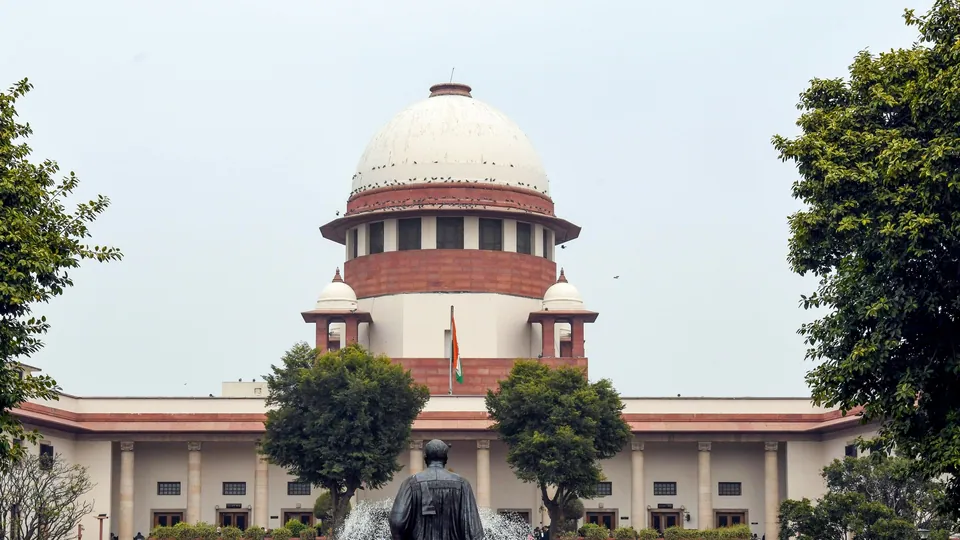
The Supreme Court Collegium has recommended four high court judges for appointment as chief justices of the Delhi, Gujarat, Telangana and Uttarakhand high courts. The recommendations, approved in a resolution on Monday, include Justice P Sam Koshy for the Delhi High Court and three other judges for leadership positions across the four courts.
The collegium is headed by Chief Justice of India Surya Kant and includes Justices Vikram Nath and BV Nagarathna. Its recommendations follow recent changes in the judiciary’s senior ranks, after the chief justices of the Gujarat, Delhi and Telangana high courts were elevated to the Supreme Court and took their oaths as its judges.
The proposed appointments cover four high courts and involve judges from different parent high courts, reflecting the transfers and appointments that form part of the higher judiciary’s administrative process. The recommendations will now proceed through the applicable appointment process.
Four Judges Recommended for High Court Chief Justice Posts
The collegium’s resolution identifies four judges for the chief justice positions. Justice P Sam Koshy, currently the acting chief justice of the Telangana High Court, has been recommended to head the Delhi High Court. His parent high court is Chhattisgarh.
The other three recommendations are Justice Manash Ranjan Pathak for the Gujarat High Court, Justice Tapabrata Chakraborty for the Telangana High Court and Justice Sudhir Singh for the Uttarakhand High Court.
| Judge | Recommended High Court | Current or Parent High Court |
|---|---|---|
| Justice P Sam Koshy | Delhi High Court | Currently acting Chief Justice of Telangana High Court; parent High Court is Chhattisgarh |
| Justice Manash Ranjan Pathak | Gujarat High Court | Gauhati High Court (parent) |
| Justice Tapabrata Chakraborty | Telangana High Court | Calcutta High Court |
| Justice Sudhir Singh | Uttarakhand High Court | Patna High Court |
The recommendations address vacancies created by recent elevations to the Supreme Court as well as the need to fill the chief justice positions identified in the collegium’s resolution. The final appointments depend on completion of the relevant constitutional and administrative procedures.
Justice P Sam Koshy Recommended for Delhi High Court
Justice P Sam Koshy has been recommended for the position of chief justice of the Delhi High Court. He is currently serving as the acting chief justice of the Telangana High Court, while Chhattisgarh is his parent high court.
The recommendation would move him from his current acting leadership role in Telangana to the permanent chief justice position at the Delhi High Court, subject to the completion of the appointment process.
The Delhi High Court is among India’s major constitutional courts and handles a wide range of civil, criminal, constitutional and administrative matters. The chief justice oversees the court’s judicial administration, including the allocation of cases and the functioning of its benches, while adjudication remains the responsibility of the judges hearing individual matters.
Justice Manash Ranjan Pathak Recommended for Gujarat
The collegium has recommended Gujarat High Court judge Justice Manash Ranjan Pathak for appointment as chief justice of the Gujarat High Court. His parent high court is Gauhati.
The recommendation follows the elevation of the Gujarat High Court’s former chief justice, Sunita Agarwal, to the Supreme Court. Agarwal has since taken oath as a Supreme Court judge, creating the need for a change in leadership at the Gujarat High Court.
If appointed, Justice Pathak would assume responsibility for the court’s administration and judicial functioning, alongside his role in the adjudicatory system.
Justice Tapabrata Chakraborty Recommended for Telangana
Justice Tapabrata Chakraborty of the Calcutta High Court has been recommended for appointment as chief justice of the Telangana High Court.
The recommendation comes after the elevation of Aparesh Kumar Singh, the former chief justice of the Telangana High Court, to the Supreme Court. Singh has taken oath as a judge of the apex court, leaving the high court’s top post to be filled through the appointment process.
The Telangana High Court has also been the current workplace of Justice P Sam Koshy, who is serving as its acting chief justice and has now been recommended for the Delhi High Court. The collegium’s recommendations therefore propose changes to leadership across multiple high courts rather than isolated appointments.
Justice Sudhir Singh Recommended for Uttarakhand High Court
Justice Sudhir Singh of the Patna High Court has been recommended for appointment as chief justice of the Uttarakhand High Court.
The collegium’s resolution includes the Uttarakhand position alongside the recommendations for Delhi, Gujarat and Telangana. The supplied announcement does not specify the circumstances behind the Uttarakhand vacancy, so no additional reason for the recommendation can be established from the available information.
What Is the Supreme Court Collegium?
The Supreme Court Collegium is the body responsible for recommending appointments and transfers of judges to the Supreme Court and high courts under India’s established judicial appointment system. For Supreme Court appointments, the collegium is headed by the Chief Justice of India and includes senior Supreme Court judges. Its composition and the applicable process vary according to the type of appointment being considered.
Collegium recommendations are a significant stage in the appointment process, but they are not the same as the completion of an appointment. Recommendations must proceed through the relevant constitutional and administrative steps before an appointment becomes effective.
The process is central to the functioning of India’s higher judiciary because it determines who is proposed for senior judicial positions, including chief justices responsible for the administration of high courts. These positions combine judicial responsibilities with the management of court operations, case distribution and institutional functioning.
Why Chief Justice Appointments Matter
Chief justices play an important role in maintaining the functioning of high courts. Alongside hearing and deciding cases where assigned, they oversee judicial administration, including the constitution of benches and the allocation of judicial work.
Leadership changes can therefore affect how a court manages its caseload, schedules hearings and distributes cases among judges. The chief justice does not decide cases alone or determine outcomes outside the judicial process; decisions are made by the benches hearing the matters in accordance with the law.
The four recommendations mark a series of proposed leadership changes across high courts in different parts of India. They follow the recent movement of three former high court chief justices to the Supreme Court and identify judges for the next stage of the appointment process.
What Happens After the Collegium’s Recommendations?
Following the collegium’s resolution, the recommendations must move through the applicable appointment procedure. The announcement establishes which judges the collegium has proposed for the four chief justice positions, but it does not, by itself, confirm that all four appointments have been formally completed.
The next developments will depend on the processing of the recommendations and the completion of the required formalities. Until the appointments take effect, the recommended judges should be described as nominees or recommended candidates rather than as confirmed chief justices of their respective high courts.
The resolution is part of the continuing process of filling senior judicial positions and maintaining administrative continuity across India’s high courts. Once the appointments are completed, the four judges will take up leadership responsibilities in Delhi, Gujarat, Telangana and Uttarakhand, subject to the formal orders issued through the appointment process.
For breaking news and live news updates, like us on Facebook or follow us on Twitter and Instagram. Read more on Latest India on thefoxdaily.com.






COMMENTS 0