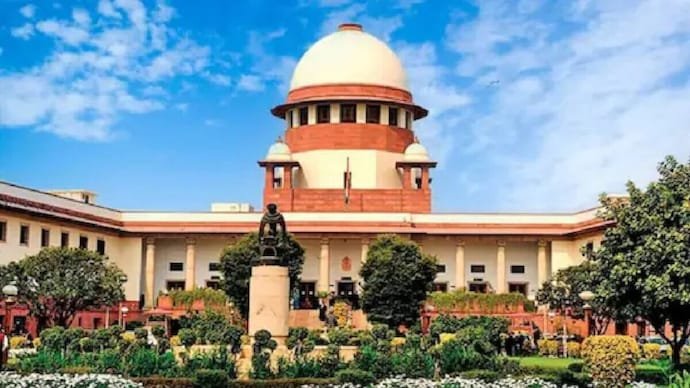
The Supreme Court has ordered the Delhi Development Authority (DDA) to refund the Rs 5 crore penalty paid by a trust associated with the Art of Living over the organisation’s controversial 2016 World Culture Festival on the Yamuna floodplains.
The ruling gives major relief to the Sri Sri Ravi Shankar-led Art of Living foundation, which had paid the amount after the National Green Tribunal (NGT) allowed the event to proceed subject to the payment. The Supreme Court held that there was no direct evidence establishing that the festival itself caused damage to the Yamuna’s fragile floodplain ecosystem.
At the same time, the court did not treat the protection of the floodplains as a secondary issue. It observed that the Delhi Development Authority had failed in its responsibility to safeguard the environmentally sensitive area and directed the agency to continue rehabilitation work in accordance with directions previously issued by the NGT.
What the Supreme Court decided in the Yamuna floodplains case
The dispute centres on the World Culture Festival organised by the Art of Living in March 2016. The large cultural gathering was held on the banks of the Yamuna from March 11 to March 13, following a legal battle over whether the event could take place on the floodplains.
The NGT had held the Art of Living responsible for damage to the floodplain during preparations for the event and imposed a Rs 5 crore environmental penalty. The organisation paid the amount, allowing the festival to go ahead.
The Supreme Court has now ordered the refund of that payment. The key finding was that there was no direct evidence demonstrating that the cultural festival had caused the alleged ecological damage.
The ruling therefore changes an important part of the legal outcome surrounding the 2016 event. The Art of Living is no longer required to bear the Rs 5 crore penalty that had been imposed in connection with the alleged damage.
However, the judgment also places responsibility on the DDA, making clear that the authority charged with managing and protecting the floodplains had its own obligations.
Why the Rs 5 crore penalty was imposed
The 2016 World Culture Festival became one of the most contentious environmental disputes involving the Yamuna floodplains in Delhi.
The Art of Living planned a major cultural event on land adjacent to the river. The scale of the proposed gathering immediately raised environmental concerns because floodplains perform important ecological functions and are particularly vulnerable to changes in land use, construction and large-scale human activity.
The National Green Tribunal considered the environmental implications of the event before allowing it to proceed. The permission was linked to the payment of a Rs 5 crore penalty by the Art of Living organisation.
The payment was made by Vyakti Vikas Kendra, a registered public charitable trust functioning under the aegis of the Art of Living. The amount was treated as an environmental compensation or penalty in connection with the alleged damage to the floodplains.
The event subsequently took place over three days in March 2016, drawing significant attention because of its size and its location beside the Yamuna.
The Supreme Court’s key finding: no direct evidence of damage by the event
The central issue in the Supreme Court’s latest decision was not whether the Yamuna floodplains are environmentally sensitive. That fact is not in dispute. Instead, the court examined whether the evidence directly established that the 2016 cultural festival had caused the specific environmental damage for which the Rs 5 crore penalty had been imposed.
The court concluded that there was no direct evidence establishing that link.
This distinction is important. An environmentally sensitive location can require strong protection, but responsibility for specific environmental harm still has to be connected to the party accused of causing it. The court’s decision effectively separates the general duty to protect the floodplains from the question of whether the Art of Living could be held financially responsible for particular damage.
That reasoning provides the basis for the refund ordered by the court.
DDA also came under scrutiny
While the Art of Living received relief, the Supreme Court’s observations were not limited to the organisation.
The court held that the Delhi Development Authority had failed in its duty to protect the Yamuna floodplains. This is a significant part of the ruling because responsibility for an environmentally sensitive public area does not rest solely with private organisations or event organisers.
The DDA has a role in planning and development in Delhi, including matters involving land and the management of areas under its authority. The Supreme Court’s observations therefore put the spotlight on the regulatory responsibility of the agency itself.
The court also directed the DDA to continue work aimed at rehabilitating the Yamuna floodplains in accordance with the directions of the National Green Tribunal.
That means the refund of the Rs 5 crore does not bring the environmental aspect of the case to an end. The court has simultaneously reinforced the need for restoration and protection of the floodplain.
Why the Yamuna floodplains matter
The controversy surrounding the 2016 event cannot be understood without considering what makes floodplains environmentally important.
A river floodplain is more than open land next to a river. It forms part of the wider river system and can play a role in absorbing floodwater, supporting vegetation and providing habitat for different forms of Wildlife. Changes to the natural characteristics of a floodplain can affect how water moves through the landscape.
The Yamuna floodplains in Delhi have long been regarded as an ecologically important part of the river corridor. They have also faced intense pressure from urban development, construction, encroachment and changing patterns of land use.
This creates a difficult policy challenge. Delhi needs land for public Infrastructure and large gatherings, but the river’s remaining natural areas also require protection.
The Supreme Court’s decision does not remove that tension. Instead, it highlights the need to distinguish between legitimate environmental regulation and the evidentiary basis for assigning responsibility for particular damage.
What happened during the 2016 World Culture Festival
The World Culture Festival was held on March 11, 12 and 13, 2016, on the Yamuna floodplains in Delhi.
The event was organised by the Art of Living and was designed as a large cultural gathering. Its proposed scale attracted substantial public attention and prompted environmental objections because of the location.
The National Green Tribunal eventually permitted the event to proceed after the organisation agreed to pay the Rs 5 crore penalty.
That arrangement meant the event went ahead despite the environmental dispute. The payment, however, did not end the broader controversy over the condition and future of the Yamuna floodplains.
The subsequent legal proceedings focused on the basis for holding the organisation responsible for environmental damage and whether the evidence supported the penalty.
Refund does not mean environmental protection is no longer required
One of the easiest ways to misunderstand the Supreme Court’s decision would be to interpret the refund as a finding that the Yamuna floodplains did not need protection.
That is not what the ruling says.
The court specifically directed the DDA to continue rehabilitation work on the floodplains. Its criticism of the authority’s failure to protect the area reinforces the continuing environmental obligations surrounding the Yamuna.
The decision therefore has two distinct consequences. First, the Rs 5 crore penalty paid by the Art of Living-linked trust must be returned because the court found insufficient direct evidence connecting the event to the alleged damage. Second, the agency responsible for the area’s planning and protection remains under an obligation to pursue rehabilitation.
Those two conclusions can exist together.
The larger legal issue: who is responsible for environmental damage?
The case also raises a broader question about environmental Governance in India‘s cities: when an activity takes place on environmentally sensitive land, WHO should bear responsibility if the area is damaged?
There can be several actors involved. An organiser may conduct an event, a land-owning or planning authority may approve or regulate it, and government agencies may be responsible for enforcing environmental safeguards.
The Supreme Court’s observations about the DDA are significant in that context. Environmental protection cannot depend exclusively on penalties imposed after an incident. Regulatory agencies also have a responsibility to prevent inappropriate use of sensitive land in the first place.
At the same time, imposing a financial penalty on an individual organisation requires a factual basis linking its conduct to the environmental harm in question.
The Yamuna case demonstrates why both elements matter: strong preventive regulation and evidence-based accountability.
What the ruling means for the Art of Living
For the Art of Living and the trust that paid the penalty, the immediate consequence is financial and legal relief.
The Rs 5 crore amount that had been paid in connection with the 2016 event is to be refunded by the DDA. The Supreme Court’s finding that there was no direct evidence linking the festival to the alleged damage removes the financial burden that had been placed on the organisation through the earlier proceedings.
The ruling also changes the way the environmental dispute surrounding the festival is viewed. The organisation had faced criticism over the decision to hold such a large event on the floodplains, while the legal question centred on whether it could properly be held responsible for environmental damage.
The Supreme Court has now provided a clear distinction between concern about the location and proof of causation.
What the ruling means for the DDA
The consequences are more complicated for the Delhi Development Authority.
The DDA must refund the Rs 5 crore, but it must also continue rehabilitation work on the Yamuna floodplains. More importantly, the Supreme Court’s observation that the authority failed in its duty to protect the area puts institutional responsibility at the centre of the case.
The message is relevant beyond this particular event. Environmentally sensitive urban areas require active oversight from public authorities, particularly where large-scale development or gatherings are proposed.
Simply responding after environmental controversy emerges may not be enough. Effective regulation requires authorities to assess potential impacts, enforce conditions and protect sensitive land before damage becomes a larger problem.
Why the decision matters for future events on sensitive land
The judgment could also become relevant whenever governments and organisers face disputes over large public events proposed in environmentally sensitive locations.
Large gatherings can bring cultural, economic and social benefits, but their environmental footprint must be assessed separately. The fact that an event is culturally significant does not automatically override environmental safeguards. Equally, the fact that an event occurs in a sensitive location does not by itself establish that the organiser caused particular environmental damage.
The balance depends on evidence, regulation and enforcement.
For event organisers, the broader lesson is that environmental compliance remains critical when using sensitive land. For government agencies, the case underscores the importance of clearly defined responsibilities and effective supervision.
Yamuna restoration remains the bigger challenge
The refund of the penalty is only one part of a much larger story involving the Yamuna in Delhi.
The river and its floodplains have been at the centre of repeated environmental and urban-planning debates. The continuing direction to rehabilitate the floodplains shows that the underlying ecological concerns remain even after the dispute over the 2016 festival has been resolved in favour of the Art of Living on the question of the Rs 5 crore penalty.
Restoration of a degraded river ecosystem is also different from determining liability for one event. It involves sustained planning, protection of natural areas and long-term management of the river corridor.
That is why the Supreme Court’s direction to the DDA remains important. The ruling does not simply settle an old financial dispute; it keeps the responsibility for floodplain rehabilitation firmly on the public authority.
What happens next
The immediate next step is the refund of the Rs 5 crore penalty to the Art of Living-linked trust. At the same time, the DDA is expected to continue rehabilitation efforts as directed by the National Green Tribunal and reiterated by the Supreme Court.
The decision also provides a useful legal distinction for future environmental disputes. Allegations of ecological harm must be supported by evidence connecting the alleged activity to the damage, while public authorities responsible for environmentally sensitive areas cannot avoid their own regulatory obligations.
For the Yamuna floodplains, the more important question now is not the fate of the Rs 5 crore payment but whether long-term protection and rehabilitation can be effectively carried out.
The Supreme Court’s ruling therefore offers relief to the Art of Living while simultaneously keeping the spotlight on the agency responsible for safeguarding one of Delhi’s most environmentally sensitive landscapes. The financial dispute may be moving toward closure, but the larger challenge of protecting and restoring the Yamuna floodplains remains.
For breaking news and live news updates, like us on Facebook or follow us on Twitter and Instagram. Read more on Latest India on thefoxdaily.com.






COMMENTS 0