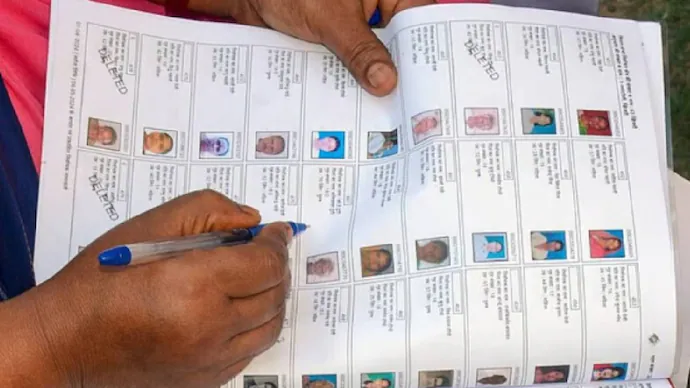
The Congress has demanded an impartial investigation into alleged irregularities in electoral rolls and an immediate halt to the Special Intensive Revision (SIR) process, following reports of discrepancies in the voter list for the Uttar Pradesh Legislative Council election. The party has also called for the resignation of Chief Election Commissioner Gyanesh Kumar, accusing the Election Commission of failing to ensure transparency and protect voters’ rights.
According to a report by the Press Trust of India (PTI), Congress general secretary in charge of communications Jairam Ramesh raised concerns about allegedly incorrect voter names, changes to voter details and complaints about missing entries in electoral rolls. The party has called for the publication of complete machine-readable voter data, arguing that access to the underlying records is necessary to investigate the scale of the alleged irregularities.
The demands have intensified the political dispute over the SIR exercise, which the Election Commission undertakes to revise electoral rolls. The Congress argues that the process, intended to improve the accuracy of voter lists, has instead raised questions about electoral transparency and the protection of eligible citizens’ voting rights.
Congress Demands Gyanesh Kumar’s Resignation and Immediate SIR Halt
In a post on X shared alongside a media report, Ramesh called for the immediate resignation of Chief Election Commissioner Gyanesh Kumar and demanded that the SIR process be stopped.
He described the ongoing exercise as a process being conducted with the alleged intention of benefiting the Bharatiya Janata Party (BJP). These statements represent the Congress’s allegations and political position; the supplied report does not establish that the alleged electoral manipulation has been independently proven.
Ramesh said the party wanted an impartial investigation into electoral rolls, the release of complete machine-readable data and safeguards to ensure that every eligible citizen retained the right to vote.
The Congress has argued that electoral transparency depends on more than the publication of voter lists. It says investigators must be able to examine the underlying data to determine whether errors occurred, how extensive they were and whether established procedures were followed when names were added, removed or modified.
The party has also accused the BJP and the Election Commission of colluding to influence election outcomes. Ramesh alleged that previous elections, including the 2024 Lok Sabha election and several Assembly elections, had been affected by what he described as election theft. These claims remain allegations made by the Congress in the material provided.
Disputed Voter Names Raise Questions About Electoral Roll Accuracy
One of the central issues raised by Ramesh concerns unusual entries reportedly found in the voter list for the Uttar Pradesh Legislative Council election. He cited names and entries such as “Ram Ne Yadav Ko Mara”, “Murkh Chandra Yadav” and “B. Com” as examples of discrepancies requiring investigation.
Ramesh questioned whether such entries could be explained as software-related errors and whether similar problems might have occurred in other elections. He argued that the Election Commission could not avoid responsibility by attributing discrepancies to software or automated systems.
In comments reported by PTI, he questioned whether the integrity of electoral rolls had effectively been left to software and the Election Commission’s ECINET platform. He maintained that responsibility for the accuracy of the electoral process rested with the Election Commission rather than the technology used to manage voter information.
The allegations raise broader questions about how electoral data is entered, checked and corrected. Digital systems can help manage large voter databases, but their effectiveness depends on accurate source information, appropriate validation procedures and mechanisms for identifying and correcting errors.
However, unusual entries alone do not establish how an error occurred, whether it affected voting rights or whether it resulted from deliberate interference. Establishing the cause and consequences of any discrepancy would require access to relevant records, an examination of the procedures followed and an independent assessment of the evidence.
The Congress has argued that the Election Commission should make the relevant data available so that these questions can be investigated rather than left unresolved.
Congress Cites Alleged Changes to 10,470 Voters’ Details in Pilibhit
Ramesh also referred to an earlier case in Pilibhit, Uttar Pradesh, in which he alleged that the details of 10,470 voters had been altered using Form 8 without supporting records being available.
Form 8 is used by registered voters to request corrections or changes to information in their electoral records, including details such as their names or addresses. The form is part of the administrative process through which voter information can be updated.
According to Ramesh, the alleged changes in Pilibhit raised concerns about whether the prescribed requirements for modifying electoral records had been followed. He further alleged that most of the affected voters belonged to a particular community that he said the BJP had consistently persecuted.
These claims require examination of the relevant applications, supporting documents and administrative records to establish what changes were made and whether the procedures were properly followed. The supplied report does not provide an independent finding confirming that the alterations were unlawful or politically motivated.
The Congress has nevertheless argued that the episode warrants scrutiny because changes to voter information can have significant consequences if they are inaccurate or improperly processed. It wants an impartial investigation to determine whether the prescribed rules were followed and whether eligible voters faced any risk of being excluded from the electoral process.
Complaints About Missing Names and Incorrect EPIC Details
Alongside the alleged irregularities in specific voter entries, Ramesh said complaints had been received about names missing from electoral rolls published after the SIR exercise. He also referred to reports of incorrect details appearing when people searched online using their Electoral Photo Identity Card (EPIC) numbers.
EPIC numbers are associated with voter identity cards and can be used to identify electoral records. If a search produces incorrect information or a voter cannot find an expected entry, the discrepancy may require further checking against the official records.
Such complaints can create uncertainty for voters, particularly when an election is approaching and people need to confirm their registration details. The relevant question is whether the discrepancy reflects a technical issue, an administrative error, a change made through the prescribed process or another cause.
The Congress has argued that voters should not have to rely on incomplete information when checking their electoral status. It wants the Election Commission to release the complete machine-readable data and provide a transparent basis for investigating disputed entries.
The supplied report does not quantify the number of missing names or incorrect EPIC search results reported to the party. Nor does it establish whether the complaints were individually verified by election authorities. Those details would be necessary to assess the extent of the problem and its potential effect on voters.
Why the Congress Wants Complete Machine-Readable Voter Data
A major part of the Congress’s demand is the release of complete machine-readable electoral roll data. Ramesh said the Election Commission had not yet provided the data sought by the party and Leader of the Opposition Rahul Gandhi.
Machine-readable information can be processed and analysed using digital tools, making it easier to identify patterns, compare records and examine possible inconsistencies across large datasets. In an electoral roll investigation, such analysis could help researchers and authorised investigators examine discrepancies in names, addresses or other recorded information.
The Congress argues that without access to the complete data, it is difficult to determine the scale of alleged irregularities or establish accountability. It wants an investigation that goes beyond isolated examples and examines the underlying records and procedures.
Access to electoral data, however, must also be handled with appropriate safeguards for personal information. A transparent investigation needs to establish which records are relevant, how they can be examined and what protections are necessary when voter information is made available.
For the Congress, the immediate priority is to ensure that the data required to examine its allegations is made available. The party maintains that a clearer assessment of possible irregularities and responsibility for any failures can only follow a thorough review of the records.
Congress Questions the Election Commission’s Accountability
Ramesh said a statement by an election official had reinforced questions raised by two Election Commissioners and strengthened the Opposition’s concerns about the functioning of the Election Commission. He argued that the institution needed to address questions about electoral roll accuracy and its responsibility for the SIR process.
The Congress has criticised what it sees as a lack of transparency in the handling of voter data. It maintains that electoral authorities must be able to explain discrepancies, demonstrate that procedures have been followed and provide a mechanism through which affected citizens can seek corrections.
The party has also alleged that the Election Commission is being run in an unconstitutional manner. This is the Congress’s political and institutional criticism; the supplied report does not cite a judicial ruling establishing that conclusion.
At the centre of the dispute is the relationship between administrative accuracy and public confidence. Electoral rolls determine who is registered to vote, making the process of adding, removing and correcting entries consequential for eligible citizens.
When questions arise about the accuracy of those records, the credibility of the process depends on the ability of the relevant authorities to investigate complaints and explain the basis for their decisions. The Congress says the publication of complete data and an independent inquiry are necessary steps towards resolving the concerns it has raised.
Congress Links the Dispute to Upcoming Uttar Pradesh Assembly Elections
Ramesh noted that only a few months remained before the Uttar Pradesh Assembly elections and argued that the alleged discrepancies raised serious questions about voting rights and electoral transparency.
The timing has added urgency to the party’s demands. Electoral roll revisions can affect whether eligible citizens appear on the voter list, while corrections and objections may require administrative action before polling takes place.
The Congress wants an impartial investigation into whether officials followed the prescribed rules when issuing notices, conducting hearings and adding or removing names from electoral rolls. It argues that these procedures are essential safeguards against wrongful exclusion and inaccurate records.
The party has also said the SIR exercise, whose stated objective is to improve electoral roll accuracy, has instead created doubts about the reliability of the lists. Ramesh repeated the Congress’s allegations that the BJP had benefited from collusion with the Election Commission in previous elections, including the Lok Sabha polls and Assembly elections in Haryana, Maharashtra and West Bengal.
These allegations have not been established by the information in the supplied report. A determination of whether irregularities occurred, whether they affected election results and whether any individual or institution was responsible would require evidence and an appropriate independent assessment.
Congress Accuses BJP of Avoiding Questions About Alleged Vote Theft
Ramesh also accused Prime Minister Narendra Modi and the BJP of launching personal attacks on Rahul Gandhi rather than responding to questions about alleged vote theft.
He said the party believed the public had become familiar with what he described as the BJP’s political tactics over the past 12 years. His remarks formed part of the Congress’s broader criticism of the government and its demand for greater transparency in electoral administration.
The dispute reflects a wider political disagreement over the credibility of voter lists, the conduct of electoral roll revisions and the accountability of election authorities. The Congress has sought to make the alleged discrepancies a central issue in its opposition to the SIR process.
For the allegations to be resolved, the relevant questions include whether the reported discrepancies can be verified, whether any errors affected eligible voters and whether the applicable rules were followed. Publishing the requested information and investigating specific complaints would help distinguish documented administrative failures from claims that remain unproven.
Earlier Protests and Legal Challenge Against SIR
The Congress has been opposing the SIR of electoral rolls and has repeatedly demanded that the exercise be stopped. Earlier in October, the party and other members of the INDIA bloc held protests, met President Droupadi Murmu and filed a petition before the Chief Justice of India concerning the exercise and the Chief Election Commissioner, seeking his removal.
The latest demands continue that campaign. The party is calling for an immediate suspension of the revision process, an independent investigation into electoral roll discrepancies and the publication of complete machine-readable voter data.
It has also demanded safeguards to ensure that eligible citizens are not deprived of their voting rights because of errors in voter records or failures to follow established procedures.
The supplied report does not detail the outcome of the petition or provide a ruling on the merits of the Congress’s allegations. The party’s demands therefore remain part of an ongoing political and institutional dispute over the SIR process and electoral transparency.
What Happens Next in the Voter List Dispute?
The immediate questions concern whether the requested voter data will be made available, whether the reported discrepancies will be independently examined and how complaints about missing or incorrect entries will be addressed.
An impartial investigation would need to establish the nature of the discrepancies, examine the relevant records and determine whether officials followed the required procedures. It would also need to distinguish accidental errors and technical problems from any allegations of deliberate interference, based on evidence rather than political assertions.
For voters, the practical concern is whether their electoral details are accurate and whether they can exercise their rights without facing improper obstacles. Clear procedures for checking records, seeking corrections and resolving disputes are important to maintaining confidence in the electoral process.
The Congress has reiterated that the Election Commission must ensure transparency and protect every eligible citizen’s voting rights. Its demand for a halt to the SIR process and an independent inquiry places the responsibility for addressing the allegations squarely on electoral authorities.
Whether the reported discrepancies indicate isolated errors or a wider problem remains to be established through verification. The outcome of any investigation, together with the Election Commission’s response to requests for data and clarification, will be central to determining how the dispute develops.
For breaking news and live news updates, like us on Facebook or follow us on Twitter and Instagram. Read more on Latest India on thefoxdaily.com.






COMMENTS 0