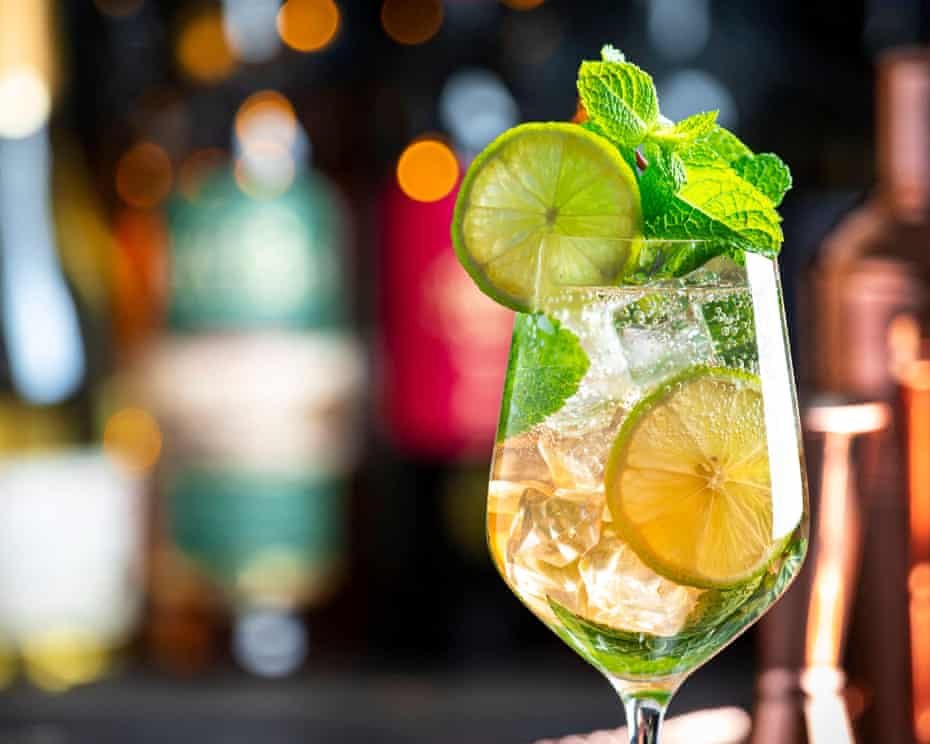
Summer drinking has entered a wonderfully fizzy phase. Spritzes and shandies have become staples of warm-weather menus, but the modern interpretation of these drinks is stretching far beyond the traditional formulas. From elderflower-led Hugo spritzes to unusual fruit flavours and dark, malty portergaffs, there is now a sparkling drink for almost every palate.
The popularity of the spritz shows no sign of fading. In the UK, searches for the Hugo spritz, an elderflower-flavoured variation, recently overtook searches for the better-known Aperol spritz. That shift suggests that drinkers are becoming more adventurous while still looking for beverages that are light, refreshing and easy to enjoy in warm weather.
At the same time, the word “spritz” has become increasingly loose. Some pub menus now apply it to almost any fizzy drink served over ice in a large glass. That creative freedom can be fun, but it also raises an interesting question: what actually makes a spritz a spritz?
What Is a Traditional Spritz?
A traditional spritz is an Italian cocktail built around three basic elements: sparkling wine, a bitter aperitif or liqueur, and soda water.
The classic structure is simple, refreshing and highly adaptable. Prosecco supplies bubbles and acidity, the aperitif provides flavour and bitterness, while soda water lengthens the drink and keeps it relatively light.
A useful home-bartending formula is the 3-2-1 ratio: three parts prosecco, two parts liqueur and one part soda water.
For a standard-sized drink, that can mean 75ml prosecco, 50ml liqueur and 25ml soda water. The proportions can be scaled down or up while preserving the same balance.
The formula is not a law, however. One of the pleasures of a spritz is that it can be adjusted according to taste. More soda makes it lighter, while reducing the soda creates a stronger and more concentrated drink.
Why Spritzes Have Become So Popular
The modern spritz succeeds because it combines several qualities people often want from a summer drink.
It is cold, sparkling, visually appealing and relatively straightforward to make. The large glass filled with ice also makes the drink feel generous and sociable.
There is another advantage: the basic format provides an almost endless canvas for flavour.
Swap one aperitif for another, introduce citrus or herbs, use an elderflower liqueur, experiment with different fruit flavours or alter the level of bitterness, and the drink changes dramatically while retaining the same fundamental structure.
That flexibility explains why the spritz has moved from a specific Italian tradition into a much broader category of contemporary drinks.
Hugo Spritz: The Elderflower Favourite
The Hugo spritz has become one of the most recognisable alternatives to the Aperol version.
Its defining flavour is elderflower, which gives the drink a floral, aromatic character. Mint and lime are also commonly associated with the style, adding freshness and acidity to the sparkling base.
Compared with a bitter orange spritz, a Hugo tends to taste softer and more floral. That makes it particularly appealing to drinkers who enjoy refreshing, fragrant cocktails but find strongly bitter aperitifs less approachable.
Aperol Spritz: The Modern Classic
The Aperol spritz remains one of the defining drinks of contemporary aperitivo culture.
Its appeal comes from the balance between sparkling wine, bitter orange and soda. Served over plenty of ice with an orange garnish, it delivers a combination of bitterness, sweetness, citrus and bubbles.
Its bright colour has also helped make it an instantly recognisable summer drink.
But the growing popularity of alternatives such as the Hugo demonstrates that drinkers are no longer limiting themselves to one interpretation of the spritz.
Kumquat Spritz: A Citrus Twist
Kumquats offer an especially interesting way to change a spritz.
Unlike larger citrus fruits, kumquats can be eaten whole, including their peel. The peel contributes aromatic oils and a slightly bitter note, while the fruit itself provides acidity and sweetness.
That combination works particularly well in a sparkling drink because it introduces complexity without making the cocktail feel heavy.
A kumquat-inspired spritz can therefore appeal to drinkers who want something more unusual than the standard orange garnish.
Fruit-Forward Spritzes for Sweeter Palates
Fresh berries and fruit-flavoured ingredients can turn a conventional spritz into something softer and more approachable.
Raspberry, strawberry and other summer fruits bring sweetness, colour and acidity. The important consideration is balance: excessive sweetness can overwhelm the bitterness and freshness that make a spritz refreshing.
Using fruit as an accent rather than simply adding large quantities of sweet syrup can help preserve the drink’s lighter character.
Pink Gin Spritz: A More Contemporary Interpretation
Pink gin provides another route into spritz territory.
Its berry-forward profile can work with sparkling wine and soda, creating a drink that feels closer to contemporary British cocktail culture than traditional Italian aperitivo.
The appeal is largely visual as well as flavour-based. Pink drinks have become particularly popular in summer menus because they are easy to recognise and photograph.
The key is to retain enough acidity and carbonation to prevent the drink from becoming overly sweet.
Raspberry and Honey Spritz
Raspberry and honey create an interesting sweet-and-tart combination.
Raspberries contribute acidity and fruitiness, while honey adds a rounded sweetness that can feel less sharp than refined sugar.
Because honey is relatively rich in flavour, it works best when used carefully. The goal is to support the fruit rather than cover up the sparkling wine and botanical or bitter notes.
Malibu and Cranberry Spritz
A Malibu and cranberry-style spritz takes the format in a distinctly tropical direction.
Coconut flavours bring sweetness and a creamy aromatic quality, while cranberry contributes tartness and colour. Combined with bubbles and plenty of ice, the result is closer to a tropical summer cooler than a traditional Italian aperitivo.
It also demonstrates how far the modern use of the word “spritz” has travelled from its original definition.
What About Shandies?
Shandies belong to a different family of summer drinks but share the same basic appeal: they are refreshing, easy to drink and designed to be enjoyed cold.
A traditional shandy combines beer with a carbonated soft drink, often lemonade. The beer provides bitterness and malt, while the mixer lightens the drink and adds sweetness and fizz.
The result is generally lower in intensity than drinking the beer alone and particularly suited to hot weather.
Portergaff: A Darker Take on the Shandy
Portergaff is an intriguing alternative for people who find pale lager-based shandies too light.
It combines porter with lemonade, creating a contrast between dark roasted malt flavours and bright, sweet carbonation.
The pairing may sound unusual, but the contrast is exactly what makes it interesting. The dark beer supplies depth and bitterness, while lemonade provides acidity, sweetness and effervescence.
It is a useful reminder that summer drinks do not necessarily have to be pale, fruity or wine-based.
Spritz vs Shandy: What Is the Difference?
| Feature | Spritz | Shandy |
|---|---|---|
| Base | Usually sparkling wine | Usually beer |
| Typical mixer | Soda water | Lemonade or another soft drink |
| Flavour profile | Can be bitter, citrusy, floral or fruity | Usually malty, citrusy and refreshing |
| Serving style | Typically served over ice in a large glass | Usually served chilled in a glass |
| Best suited to | Aperitivo, brunch and summer gatherings | Casual warm-weather drinking |
How to Build a Better Spritz at Home
The most important thing is balance rather than strict adherence to one recipe.
Start with sparkling wine, add a flavourful aperitif or liqueur, and finish with soda. Use plenty of ice so the drink stays cold without becoming warm and flat too quickly.
Adding the sparkling wine and soda towards the end also helps preserve carbonation.
Garnishes should support the drink rather than simply decorate it. Orange works naturally with bitter orange aperitifs, mint and lime complement floral drinks, while berries can reinforce fruit-led versions.
Why the 3-2-1 Formula Works
The 3-2-1 ratio creates a useful starting point because sparkling wine remains the dominant ingredient while the liqueur provides the main flavour and the soda keeps the drink refreshing.
However, personal preference matters.
If you prefer a lighter drink, increase the soda. If you want more flavour and intensity, increase the aperitif or reduce the soda. The formula should be treated as a foundation rather than a rigid rule.
That flexibility is one reason the spritz is so easy to adapt for home entertaining.
The Rise of the “Anything Fizzy” Spritz
The popularity of spritz-style drinks has created an unusual side effect: the term is increasingly being used as a broad marketing label.
Drinks featuring vodka, gin, coconut flavours, berries or other ingredients are sometimes presented as spritzes simply because they are carbonated and served over ice.
From a strict cocktail-history perspective, that can be questioned. But from a consumer perspective, it shows how successful the basic idea has become.
The word now communicates a particular drinking experience: cold, sparkling, colourful, summery and served in a generous glass.
That is a powerful piece of shorthand for bars and restaurants, even when the resulting drink has little connection with the traditional Italian formula.
How to Choose the Right Summer Drink
Choosing between different spritzes and shandies is largely a question of flavour preference.
- Prefer bitter and citrusy? Try an Aperol-style spritz.
- Like floral flavours? A Hugo spritz is a natural choice.
- Want something fruity? Raspberry or other berry-led versions may suit you.
- Enjoy tropical flavours? Coconut and cranberry combinations offer a more adventurous direction.
- Prefer beer? A traditional shandy keeps things simple and refreshing.
- Like darker, maltier flavours? A portergaff provides a surprisingly good contrast.
- Want something unusual? Kumquat offers a more complex citrus profile.
The Bigger Trend: Familiar Drinks With More Personality
The popularity of modern spritzes reflects a wider change in drinking culture. People increasingly want familiar formats that can be customised with distinctive flavours.
The spritz is perfectly suited to this trend because its structure is simple. A bartender does not need to reinvent the entire cocktail to create something new. Changing the aperitif, fruit, herb or flavouring can produce a completely different experience.
That makes the category particularly adaptable to seasonal menus.
Summer encourages bright citrus, berries, elderflower and herbs, while autumn and winter can move towards darker flavours and richer ingredients.
Are Spritzes Always Light Drinks?
A spritz can taste light without necessarily being low in alcohol.
The presence of soda and ice can make a drink feel refreshing and easy to consume, which can sometimes disguise its alcoholic strength. The actual alcohol content depends on the ingredients, quantities and proportions used.
For that reason, “refreshing” should not automatically be interpreted as “low alcohol”. Drinking slowly, eating alongside alcoholic drinks and alternating with water are sensible ways to keep summer drinking balanced.
Final Thoughts: The Best Spritz Is the One That Matches Your Taste
The modern spritz has travelled a long way from its traditional Italian roots. While the classic combination of sparkling wine, bitter aperitif and soda remains a benchmark, contemporary versions now embrace elderflower, berries, tropical flavours, unusual citrus and even combinations that blur the boundary between cocktail and long drink.
Shandies offer another route to the same summer goal, with beer and lemonade providing an easy balance of bitterness, sweetness and fizz. For adventurous drinkers, portergaff demonstrates that even a dark beer can find a place in the world of refreshing warm-weather drinks.
The real attraction of both categories is their adaptability. Whether your preference is bitter, floral, fruity, citrusy, tropical or malty, there is a sparkling summer drink capable of fitting the mood.
And if the spritz craze has taught us anything, it is that a little fizz, plenty of ice and a willingness to experiment can turn even a familiar drink into something worth discovering.
For breaking news and live news updates, like us on Facebook or follow us on Twitter and Instagram. Read more on Latest Lifestyle on thefoxdaily.com.

COMMENTS 0