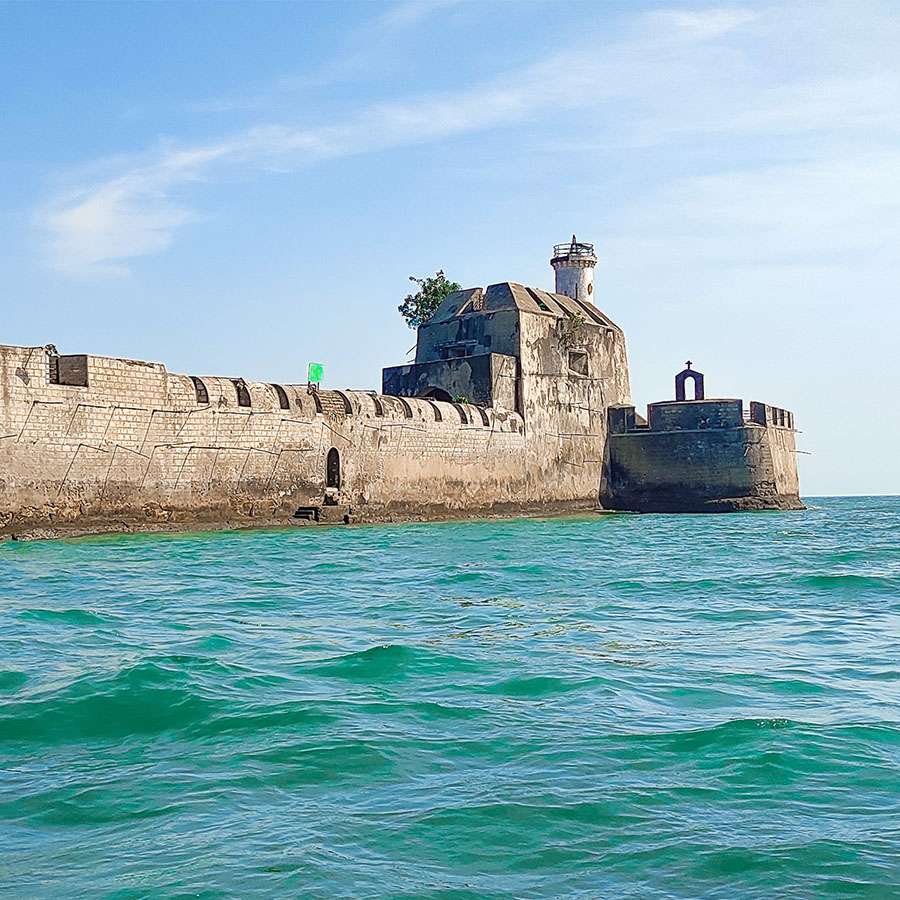
Diu is more than a coastal escape known for its golden beaches and blue waters. Its historic fort, centuries-old church and distinctive architectural character tell the story of an island shaped by maritime trade, Portuguese rule and cultural exchange. Located off the coast of Gujarat, Diu brings together the atmosphere of a traditional Indian coastal town and the enduring legacy of European colonial influence. From the imposing stone walls of Diu Fort to the ornate interiors of St Paul’s Church, its landmarks reveal how history continues to shape everyday life on the island.
Part of the Union Territory of Dadra and Nagar Haveli and Daman and Diu, the island offers a compelling combination of natural beauty and historical significance. Visitors can explore centuries-old monuments, watch fishing boats move across the Arabian Sea and relax along the shoreline, experiencing a destination where heritage and coastal life remain closely connected.
As highlighted by Incredible India, Diu’s appeal lies in its combination of scenic beaches and historic landmarks. Yet its most distinctive quality is the way these different elements coexist, giving the island an identity that stands apart from much of mainland Gujarat.
Diu Fort: The Portuguese Stronghold Built in 1535
Few landmarks capture Diu’s historical character as powerfully as Diu Fort. Rising beside the Arabian Sea, the fortress is a reminder of a period when control over ports, shipping routes and coastal settlements played a decisive role in the expansion of European powers across the Indian Ocean.
The Portuguese built the fort in 1535, establishing a formidable defensive structure at a strategically important location on India’s western coast. Its position reflected the importance of Diu within the wider maritime network that connected trading centres, commercial interests and naval strongholds across the region.
For the Portuguese, a fortified coastal settlement offered more than protection from attack. It also helped secure their presence along important sea routes at a time when maritime commerce was closely linked to political influence and military power.
Stone walls, bastions and sweeping sea views
Diu Fort’s imposing stone walls, defensive bastions and historic cannons reflect the military priorities that shaped its construction. The fortress was designed to withstand threats from the sea and protect the strategic interests of the power that controlled it.
Its architectural character also demonstrates how geography influenced military planning. Surrounded by the coastal landscape, the fort occupies a position that connects its defensive purpose with the sea that helped make Diu strategically valuable in the first place.
Today, visitors can appreciate the scale of its historic fortifications while taking in expansive views of the Arabian Sea. The sound of waves against the weathered stone creates a striking contrast between the structure’s original military purpose and its present role as a heritage attraction.
Why Diu Fort matters beyond its colonial history
The fort’s significance extends beyond its role in Portuguese military strategy. Over the centuries, it has become one of the defining symbols of Diu, representing the island’s changing political circumstances and its enduring relationship with maritime trade.
Its walls offer a way to understand how coastal geography influenced the development of settlements across western India. Ports were not simply places where ships arrived and departed; they were gateways through which goods, people, ideas and cultural practices travelled.
Diu’s history reflects these overlapping influences. The fort preserves evidence of the island’s Portuguese past, while its wider setting connects that history to the commercial and cultural networks of the Indian Ocean.
For modern travellers, exploring Diu Fort is therefore more than an opportunity to photograph an impressive monument. It is a chance to consider how a small island acquired strategic importance and how a structure built for defence eventually became an enduring part of its cultural identity.
St Paul’s Church: A Four-Century Window into Portuguese Influence
While Diu Fort represents the military and political dimensions of Portuguese rule, St Paul’s Church reveals another side of the island’s past. Built in the early 17th century, the church is widely recognised for its ornate Baroque architecture and its place among Diu’s most celebrated historical landmarks.
Dedicated to Our Lady of the Immaculate Conception, St Paul’s Church reflects the influence of Portuguese religious architecture. Its elaborate façade, detailed woodwork and richly decorated interiors distinguish it from the fort’s austere defensive design.
The contrast between these two monuments is central to understanding Diu’s heritage. One was created to protect a strategic coastal position; the other expressed religious devotion through architecture and craftsmanship. Together, they illustrate how Portuguese influence extended beyond military infrastructure into the island’s spiritual and artistic life.
Baroque architecture and intricate craftsmanship
Baroque architecture is often associated with dramatic visual effects, elaborate ornamentation and a strong emphasis on decorative detail. St Paul’s Church reflects this tradition through its architectural embellishments and carefully crafted interiors.
Its façade gives the building a distinctive presence, while the interior details invite visitors to look beyond its exterior appearance. The craftsmanship provides a glimpse into the artistic traditions that accompanied Portuguese religious institutions and became part of Diu’s built environment.
For architecture enthusiasts, the church offers an opportunity to examine how European design traditions were expressed in a coastal Indian setting. Rather than existing in isolation, the building forms part of a broader landscape in which different historical influences have shaped the appearance and character of the island.
The church’s continued prominence also demonstrates how historic buildings can retain cultural significance long after the political circumstances surrounding their construction have changed.
A religious landmark with a lasting cultural presence
For nearly four centuries, St Paul’s Church has remained an important part of Diu’s religious and cultural landscape. Its presence reflects the influence of Portuguese rule on religious traditions, community life and the development of local architecture.
Unlike a fortress, whose original purpose was closely tied to defence, a church can remain meaningful through repeated acts of worship, community gatherings and the preservation of religious traditions. Its significance is therefore connected not only to its age and appearance but also to the spiritual life associated with it.
Visitors can appreciate the building as a historical monument while recognising that religious heritage is more than an architectural attraction. It represents beliefs, practices and relationships that can continue across generations.
St Paul’s Church provides a quieter counterpoint to Diu Fort. Where the fortress evokes the competition for control of maritime routes, the church encourages attention to faith, artistic expression and the ways cultural traditions become embedded in a place.
How the Fort and Church Shaped Diu’s Distinct Identity
Diu’s heritage cannot be understood through a single monument or historical period. Its identity emerged through the interaction of geography, maritime connections, political change and cultural influences. Diu Fort and St Paul’s Church offer two particularly revealing perspectives on that history.
The fort illustrates the island’s strategic importance. Its defensive walls reflect a time when coastal strongholds played a central role in securing political influence and maritime interests. The church, meanwhile, demonstrates how Portuguese influence also transformed religious architecture and left a lasting mark on the island’s cultural landscape.
Together, the two structures reveal the different ways historical power can shape a place. Fortifications alter the physical landscape, while religious buildings can influence artistic traditions, community life and the visual identity of a settlement.
A meeting point of Indian and European influences
Diu’s Portuguese architectural legacy exists alongside its connections with Gujarat and the wider Indian coast. This combination gives the island a layered character that cannot be reduced to either its colonial past or its regional identity alone.
Maritime locations have historically encouraged interaction among people from different places. Trade and travel bring languages, customs, religious traditions and architectural ideas into contact, sometimes leaving visible traces in buildings and urban landscapes.
Diu’s historic landmarks offer a tangible way to explore these connections. The Portuguese-style fortifications and Baroque church stand within an Indian coastal setting, illustrating how imported architectural traditions became part of the island’s wider environment.
Recognising these influences does not mean viewing Diu’s history exclusively through the lens of Portuguese rule. Its heritage is broader than the monuments associated with that period, and the island’s contemporary identity also reflects its relationship with Gujarat, local communities and the Arabian Sea.
Architecture as a record of changing times
Historic buildings often survive long after their original purposes have faded or changed. Their materials, designs and locations can preserve clues about the priorities of the people who built them and the circumstances in which they lived.
In Diu, the fort and church make this history visible. The fort’s defensive features point towards the importance of maritime security, while the church’s ornamentation reveals the cultural and religious expressions associated with Portuguese influence.
These structures also demonstrate why heritage conservation matters. Without continued care, historic architecture can deteriorate, taking with it valuable evidence of the past. Preserving such sites allows future generations to encounter history through physical places rather than relying solely on written accounts.
For travellers, the experience of standing within a centuries-old structure offers a different perspective from reading about it. The scale of a fortress, the details of a church interior and the surrounding coastal landscape help bring historical narratives to life.
Beyond the Monuments: Beaches, Fishing Communities and Island Life
Although Diu’s historic landmarks are central to its appeal, the island offers much more than colonial architecture. Its beaches, fishing communities and relaxed coastal atmosphere provide a complementary view of a destination where history remains connected to everyday life.
The Arabian Sea shapes the island’s landscape and contributes to its character as a place for both exploration and relaxation. Golden stretches of sand, open coastal views and the movement of fishing boats create a setting that differs from the busy streets of many larger urban destinations.
For visitors, this contrast is part of Diu’s attraction. A day can begin with an exploration of historic fortifications or a visit to St Paul’s Church and continue with time by the sea. The combination allows travellers to experience both the island’s architectural heritage and its natural surroundings.
The continuing importance of the sea
The sea is more than a scenic backdrop to Diu’s historic monuments. It is a central element of the island’s story, connecting its past as a strategic maritime location with its present-day coastal character.
The same waters that once gave the island strategic importance continue to shape its landscape and the lives of people who depend on the coast. Fishing communities, visitors and local businesses all contribute to the contemporary identity of the island.
This continuity makes Diu particularly interesting as a heritage destination. Its historic structures are not disconnected remnants of another era; they stand within a living coastal environment that continues to evolve.
A destination for history lovers and leisure travellers
Diu’s combination of heritage and natural beauty makes it appealing to different kinds of travellers. History enthusiasts can explore the architecture and historical significance of its landmarks, while leisure travellers can enjoy the beaches and slower pace of coastal life.
Its compact island setting also creates opportunities to experience these attractions as parts of a single journey. Rather than treating history and recreation as separate activities, visitors can discover how the island’s built heritage and natural environment complement one another.
For travellers interested in understanding places rather than simply visiting popular viewpoints, Diu offers a particularly rewarding experience. Its landmarks encourage curiosity about the past, while its coastline provides space to appreciate the environment that helped shape that history.
Planning a Visit to Diu’s Historic Landmarks
Visitors interested in Diu’s heritage can make Diu Fort and St Paul’s Church the starting points of an exploration of the island. Allowing time to appreciate the architecture, rather than rushing between attractions, can make the experience more meaningful.
At Diu Fort, attention to the stone walls, bastions and coastal setting helps explain why the site was strategically important. At St Paul’s Church, the façade, woodwork and decorative interiors offer a different perspective on the island’s architectural legacy.
It is also worth leaving time to experience Diu beyond its monuments. A visit to the coast or a walk through the surrounding area can help place the historic landmarks within the island’s broader landscape and contemporary life.
As with any heritage destination, visitors should respect local customs and follow site-specific instructions. Religious buildings may have expectations concerning appropriate clothing, photography and behaviour, while access to certain historic areas can depend on current conditions.
Travellers should check current opening arrangements and local guidance before planning their visit, particularly if they intend to explore several attractions in one day.
Why Diu’s Heritage Deserves Attention
Diu’s appeal rests on the relationship between its history and its natural setting. The 1535 Portuguese fort and the nearly 400-year-old St Paul’s Church are more than isolated architectural attractions. They represent different dimensions of a past shaped by maritime strategy, religious traditions and cultural exchange.
The fort tells a story of coastal defence and the importance of controlling sea routes. The church reveals how religious architecture and European artistic traditions became part of the island’s cultural landscape. Together, they help explain why Diu has developed an identity distinct from many other destinations along Gujarat’s coast.
Yet the island’s heritage is not confined to the past. Its beaches, fishing communities and continuing relationship with the Arabian Sea connect its historical landmarks to contemporary life. That combination gives Diu its particular character: a place where visitors can explore the remains of earlier centuries while experiencing the rhythms of a living coastal community.
For anyone seeking a destination that combines history, architecture and seaside relaxation, Diu offers a compelling journey. Its enduring fortifications, ornate church and tranquil coastline reveal how a small island can hold a remarkably layered story one carved into stone, preserved through tradition and carried forward by the sea.
Frequently Asked Questions About Diu’s Heritage
1. When was Diu Fort built?
Diu Fort was built by the Portuguese in 1535. Its strategic coastal position and defensive architecture reflect the importance of protecting maritime interests along India’s western coast.
2. Why is Diu Fort historically important?
Diu Fort is an important reminder of the island’s Portuguese past. Its stone walls, bastions and cannons reflect its military purpose, while its location illustrates Diu’s historical significance within maritime networks in the Arabian Sea.
3. How old is St Paul’s Church in Diu?
St Paul’s Church was built in the early 17th century and is nearly 400 years old. It is one of Diu’s best-known historical landmarks and is recognised for its ornate Baroque architectural style.
4. What is St Paul’s Church famous for?
The church is admired for its elaborate façade, intricate woodwork and richly decorated interiors. Dedicated to Our Lady of the Immaculate Conception, it reflects Portuguese religious and architectural influence.
5. Where is Diu located?
Diu is an island destination off the coast of Gujarat. It is part of the Union Territory of Dadra and Nagar Haveli and Daman and Diu and is known for its beaches, historic monuments and Portuguese architectural heritage.
6. What makes Diu different from other coastal destinations in Gujarat?
Diu combines coastal scenery with a distinctive historical landscape shaped in part by Portuguese rule. Landmarks such as Diu Fort and St Paul’s Church stand alongside beaches and fishing communities, creating a blend of architecture, history and island life.
7. Can visitors explore Diu’s heritage and beaches on the same trip?
Yes. Diu’s historic landmarks and coastal attractions make it possible to combine heritage exploration with time by the sea. Visitors can explore the fort and church before spending time enjoying the island’s beaches and relaxed atmosphere.
SEO Keywords
Diu Fort, St Paul’s Church Diu, Diu tourism, Portuguese heritage in Diu, history of Diu, Diu historical monuments, 1535 Portuguese fort, Baroque architecture in India, things to do in Diu, Diu beaches, heritage tourism in Gujarat, Dadra and Nagar Haveli and Daman and Diu.
Editorial note: This article is based on the supplied source material. It expands on the historical, architectural and travel significance of Diu’s landmarks without adding unverified visitor statistics, opening hours or specific historical claims beyond the information provided.
For breaking news and live news updates, like us on Facebook or follow us on Twitter and Instagram. Read more on Latest Lifestyle on thefoxdaily.com.

COMMENTS 0