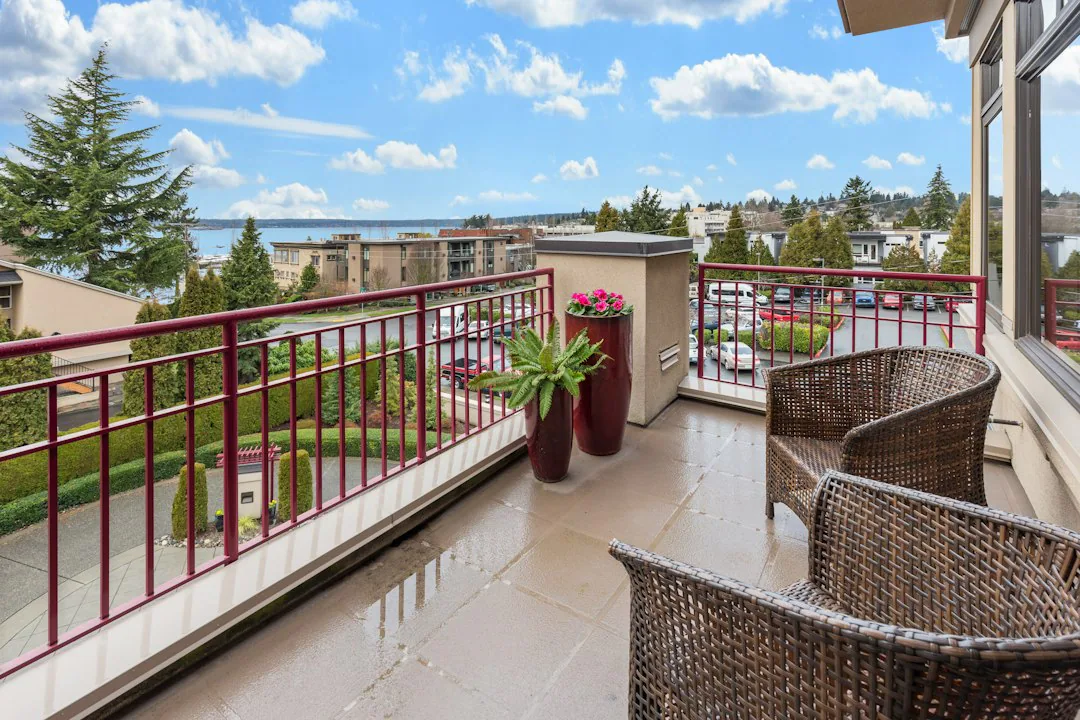
Creating a beautiful outdoor space in India requires more than choosing attractive plants and stylish furniture. With scorching summer temperatures, intense sunlight, dust, humidity and heavy monsoon rainfall, gardens, balconies, courtyards and outdoor seating areas must be designed to withstand changing weather conditions while remaining comfortable and functional throughout the year.
Whether it is a small garden for morning coffee, a shaded balcony for relaxing after work or a landscaped courtyard where children can play, a thoughtfully planned outdoor area can make a home more enjoyable. The key is to balance aesthetics with practical considerations such as shade, durable materials, effective drainage and climate-appropriate planting.
In an interview with HT Lifestyle, Rohana Sarah, founder and CEO of Green World, shared five design strategies that can help homeowners and residential communities create outdoor spaces suited to India’s challenging weather conditions.
From planning shaded pathways to selecting plants that thrive in local conditions, these strategies offer a practical starting point for designing landscapes that remain attractive, comfortable and easier to maintain throughout the seasons.
Why Weather-Ready Outdoor Design Matters in India
India’s diverse climate makes outdoor landscape design particularly challenging. A garden in a hot, dry region may need to prioritise shade, water conservation and heat-resistant materials, while a property in a region that experiences heavy monsoon rainfall must pay close attention to drainage, soil conditions and moisture management.
Even within the same city, outdoor spaces can experience different conditions depending on their orientation, surrounding buildings, tree cover and exposure to direct sunlight.
For this reason, successful landscape design should begin with an understanding of how a space will be used and what environmental conditions it must withstand.
A weather-ready outdoor space should aim to:
- Provide comfortable areas for relaxation during hot weather.
- Use materials that can withstand sunlight, humidity, dust and rain.
- Manage rainwater effectively to reduce waterlogging.
- Incorporate plants suited to the local climate and available resources.
- Connect gardens, pathways and seating areas with everyday activities.
With these priorities in mind, homeowners can make design decisions that improve both the appearance and long-term usability of their outdoor spaces.
1. Design Shade Around Everyday Life
Shade is one of the most important elements of an outdoor space in a country where summer temperatures can make direct sunlight uncomfortable for extended periods. A garden may look beautiful in photographs, but without shaded areas, it can become difficult to use during the hottest parts of the day.
Rohana Sarah highlighted the importance of incorporating shade into landscape planning. Trees, pergolas, covered seating areas and carefully positioned pathways can create more comfortable outdoor environments.
Use Trees and Pergolas to Create Cooler Corners
Trees can provide natural shade while adding greenery, texture and visual interest to a garden. Depending on the species and location, their canopies can help reduce direct sunlight reaching seating areas and nearby surfaces.
Pergolas offer another option, particularly where homeowners want a defined outdoor seating area. They can be designed to complement the architecture of a house and may incorporate climbing plants or suitable shade coverings.
Covered seating areas can also make balconies, terraces and courtyards more practical during sunny weather. The right solution depends on the available space, the building’s design and the amount of sunlight the area receives.
Position Seating and Pathways Thoughtfully
Shade planning should reflect how people move through and use a property. For example, a garden bench positioned beneath a tree may become a preferred spot for morning relaxation, while a covered patio can provide a comfortable setting for family gatherings.
In larger residential communities, shaded pathways can make the journey between buildings, gardens and common facilities more pleasant. This is particularly useful for residents who walk outdoors regularly.
Pathway orientation, the location of trees and the placement of covered structures should therefore be considered together rather than treated as separate design decisions.
What Homeowners Should Consider
- Identify the areas that receive the strongest direct sunlight.
- Place frequently used seating areas where shade is available during the intended hours of use.
- Choose trees and other shade-providing plants suited to local conditions.
- Consider how shade will change as plants grow and the seasons change.
- Ensure that covered structures are appropriate for the property and its weather conditions.
The takeaway: Shade should be treated as a fundamental part of outdoor planning, not as a decorative addition made after the garden is complete.
2. Choose Materials That Can Live With the Climate
Outdoor materials face a different set of challenges from those used indoors. Prolonged sunlight, dust, humidity and rain can affect their appearance, performance and lifespan. Choosing materials solely for their colour or initial cost may therefore lead to maintenance problems later.
According to Rohana, natural stone, treated timber and durable metals can work well when selected according to local conditions.
Choose Flooring for Both Comfort and Safety
Outdoor flooring deserves particular attention because it directly affects how comfortable and safe a space feels. Some surfaces can become uncomfortably hot under strong sunlight, while others may become slippery when wet.
For gardens, patios, balconies and pathways, homeowners should consider the material’s surface texture, exposure to sunlight, water resistance and suitability for the intended use.
For example, a surface selected for a covered balcony may not perform in the same way when installed in an open courtyard exposed to heavy rainfall. Similarly, flooring around areas where water collects requires careful consideration of slip resistance and drainage.
Sample materials should ideally be assessed in the actual setting before a final choice is made. Their appearance in a showroom may differ from how they look and feel under outdoor conditions.
Understand the Benefits and Limitations of Common Materials
Natural stone: Depending on the type and finish, natural stone can provide a durable, timeless appearance. Its suitability varies according to porosity, surface texture, local weather and maintenance requirements.
Treated timber: Timber can add warmth to outdoor seating areas, decks and pergolas. However, it needs appropriate treatment and maintenance to cope with moisture, sunlight and other environmental stresses.
Durable metals: Metal elements can be useful for outdoor furniture, railings and structural details. The selected metal and its protective finish should be appropriate for the property’s exposure to rain and humidity.
Outdoor paving: Paving materials should be chosen with attention to their intended application, surface finish, drainage requirements and performance in wet and hot conditions.
Think About How Materials Will Age
A weather-ready design considers the long-term appearance of materials rather than focusing only on how they look when newly installed.
Sunlight may affect finishes, moisture can influence timber, and dust may accumulate on textured surfaces. Some materials require regular sealing, cleaning or protective treatments, while others may be easier to maintain.
Homeowners should compare the initial installation cost with the likely maintenance effort and the material’s expected performance in the local climate.
The takeaway: The best outdoor material is not necessarily the most expensive or fashionable option. It is the one that combines durability, comfort, safety and manageable maintenance for the conditions in which it will be used.
3. Design for Rain Before the Monsoon Arrives
Monsoon preparation is essential when designing outdoor spaces in India. Heavy rainfall combined with poorly planned drainage can leave gardens, courtyards and common areas waterlogged, reducing their usability and potentially affecting surrounding surfaces.
Rohana Sarah emphasised that landscape design can help manage heavy rainfall through interventions such as ground slopes, drainage systems, permeable surfaces and appropriate planting.
Rather than treating rainwater management as a problem to solve after construction, homeowners should incorporate it into the initial design.
Plan Ground Slopes and Drainage
The direction in which water flows across an outdoor area is a crucial consideration. Ground surfaces should be planned so that rainwater can move towards suitable drainage points instead of collecting near entrances, seating areas or building foundations.
The appropriate slope and drainage arrangement will depend on the property’s layout, soil conditions, available drainage infrastructure and the amount of rainfall the area typically receives.
Where drainage problems are already present, simply adding more paving or raising selected sections may not resolve the underlying issue. The flow of water across the entire space should be assessed before corrective work begins.
Consider Permeable Surfaces
Permeable surfaces can allow some rainwater to pass through the surface into the underlying layers, depending on the materials and construction system used. They may help reduce surface runoff when appropriately designed and installed.
These surfaces can be considered for selected pathways, garden areas and other outdoor applications. Their performance depends on factors such as the underlying soil, installation method, maintenance and the intensity of rainfall.
They are not a universal replacement for drainage systems, particularly where heavy rainfall or poor soil infiltration creates additional challenges.
Use Planting as Part of Rainwater Management
Plants and landscaped areas can contribute to how water moves through a property. Soil and vegetation can help absorb and retain some rainfall, depending on the site conditions, planting arrangement and soil characteristics.
However, plant selection and placement should account for both dry and wet seasons. Species that tolerate intense summer heat may not necessarily perform well in persistently waterlogged soil.
Where a property regularly experiences heavy rain, drainage requirements should be considered alongside the needs of the planting scheme.
Prepare Outdoor Spaces Before the Rains Begin
- Inspect existing drains and remove accumulated leaves or debris.
- Check for low spots where rainwater tends to collect.
- Review the condition of outdoor paving and pathways.
- Ensure that water can move away from frequently used seating areas.
- Assess whether existing planting and soil conditions are suitable for heavy rainfall.
The takeaway: Effective monsoon design is about managing water before it becomes a problem. Thoughtful grading, suitable surfaces, drainage and planting can help outdoor spaces remain more functional during rainy weather.
4. Plant for the Climate and the Experience
Plants are often the most visually prominent feature of a garden, but their selection should be guided by more than colour, size or appearance. A planting scheme must suit the property’s sunlight, soil, water availability and local weather conditions.
Rohana recommends using native and climate-adapted plants as part of a well-planned planting palette. Such choices can make a landscape easier to sustain when they are appropriate for the specific site.
Understand the Conditions of Your Garden
Before choosing plants, homeowners should assess the amount of sunlight different parts of the garden receive. An open terrace, a shaded courtyard and a garden beneath mature trees may require different species.
Soil conditions also influence plant growth. Some plants perform better in well-drained soil, while others tolerate greater moisture. Water availability is another consideration, particularly in areas that experience long, dry summers.
Understanding these conditions can help prevent the repeated replacement of plants that struggle to survive in an unsuitable location.
Why Native and Climate-Adapted Plants Matter
Native plants are species that occur naturally in a particular region. When suited to the local environment, they may be better adapted to its climate and soil conditions than plants selected purely for ornamental appeal.
Climate-adapted plants can also be useful where homeowners want a landscape that fits local rainfall patterns and seasonal temperatures.
However, no plant is automatically suitable for every garden simply because it is native. Sunlight exposure, drainage, soil type, available space and maintenance needs must still be considered.
Balance Visual Appeal With Maintenance
A successful garden should reflect the amount of time and resources available for its upkeep. Some planting schemes require frequent pruning, watering and seasonal care, while others can be designed around a simpler maintenance routine.
Homeowners can create visual interest by combining plants with different heights, textures and foliage characteristics. Carefully planned groupings can make a garden feel cohesive without requiring an unnecessarily complicated arrangement.
In larger residential developments, planting choices should also reflect how the landscape will be used. Plants beside pathways, for example, should be suitable for the available space and should not obstruct movement as they grow.
Seasonal changes should form part of the planning process as well. A garden that looks attractive during one season may require different care during extreme heat or heavy rainfall.
The takeaway: Climate-conscious planting can support a healthier and more manageable landscape. The aim is to select plants that suit the site’s actual conditions while creating an outdoor environment that residents enjoy using.
5. Plan Outdoor Spaces as an Extension of Your Lifestyle
Outdoor areas are most successful when their design reflects the everyday needs of the people who use them. A garden should not simply occupy the available space around a house; it should offer practical opportunities for relaxation, movement and spending time together.
Rohana Sarah highlighted that thoughtful landscape design can transform outdoor areas into experiential spaces where residents enjoy personal time and connect with their surroundings.
This approach involves thinking about activities before finalising the layout. The requirements of a family courtyard may differ from those of a quiet garden, an outdoor dining area or a shared recreational space in a residential community.
Create Different Zones for Different Activities
Dividing an outdoor space into functional zones can make it more versatile. For example, a residential garden might include a shaded seating area, an open lawn, a small planting section and a pathway connecting the different elements.
On a smaller property, these functions can be combined rather than separated. A compact balcony might accommodate seating and plants, while a courtyard could provide space for relaxation and family activities.
The layout should allow people to move comfortably between these areas without making the space feel crowded.
Connect Pathways, Gardens and Shared Spaces
In larger residential developments, landscape design can connect pathways, gardens, play areas, courtyards and shared spaces into a coherent outdoor environment.
Pathways can guide movement, while seating areas provide opportunities to pause and relax. Green spaces can offer visual relief from built surroundings, and thoughtfully arranged shared areas can support everyday interactions among residents.
These elements should work together rather than appear as isolated features. Their location, accessibility and exposure to the weather all influence how useful they become.
Make Comfort a Year-Round Priority
A lifestyle-focused outdoor space should be planned with seasonal conditions in mind. Shaded seating can improve comfort during hot weather, while suitable flooring and drainage can help maintain usability during the monsoon.
Furniture and other outdoor elements should also be appropriate for their exposure to rain, dust and sunlight. The placement of seating, plants and pathways can make a difference to how easily the space is used and maintained.
Homeowners should also consider the needs of everyone who will use the area, including children, older family members and people who may need unobstructed pathways.
The takeaway: A well-designed outdoor space combines practical function with personal experience. When the layout reflects everyday routines and local weather conditions, the garden becomes a more useful part of the home.
Practical Checklist for Creating a Weather-Ready Outdoor Space
Before starting a landscaping project or renovating an existing garden, homeowners can use the following checklist to evaluate their priorities.
- Study sunlight: Identify the areas that receive direct sunlight and determine where shade would be most useful.
- Define the purpose: Decide whether the space will primarily be used for relaxation, gardening, children’s activities, entertaining or movement.
- Assess the materials: Select flooring, furniture and structural elements according to their suitability for local heat, rain and humidity.
- Review drainage: Identify waterlogging risks and plan appropriate slopes and drainage arrangements.
- Choose suitable plants: Consider sunlight, soil, water availability, local climate and maintenance requirements.
- Plan for upkeep: Account for cleaning, pruning, watering and any protective treatment required by outdoor materials.
- Think seasonally: Consider how the space will function during peak summer, the monsoon and other seasonal changes.
- Prioritise usability: Ensure that pathways, seating areas and shared spaces are comfortable and practical for their intended users.
These steps can help homeowners make informed decisions before committing to materials, planting schemes or major landscaping work.
Common Outdoor Design Mistakes to Avoid
Even an attractive landscape can become difficult to maintain when essential practical considerations are overlooked. Avoiding a few common mistakes can improve the long-term performance of an outdoor space.
Choosing Plants Only for Their Appearance
Plants that look attractive in a nursery may struggle when exposed to the wrong amount of sunlight, unsuitable soil or excessive moisture. Evaluate growing conditions before selecting species.
Ignoring Drainage During Construction
Drainage problems can be expensive to correct after pathways, patios and other hard surfaces have been installed. Water flow should be considered at the planning stage.
Using Materials Without Considering Their Surface Performance
Outdoor flooring must be assessed for heat, wet-weather grip, durability and maintenance. A material’s appearance alone does not establish whether it is suitable for a particular location.
Adding Shade Too Late
Retrofitting shade can limit the available design options. Planning trees, pergolas and covered seating early can help create a more cohesive layout.
Underestimating Maintenance
A complex garden may require more watering, pruning and cleaning than homeowners can comfortably manage. A realistic maintenance plan should guide both planting and material selection.
Frequently Asked Questions About Weather-Ready Outdoor Design
1. How can I make my garden more comfortable during Indian summers?
Consider shade from trees, pergolas and covered seating areas. Position pathways and seating according to sunlight exposure, and choose outdoor flooring with attention to heat retention and comfort.
2. Which materials are suitable for outdoor spaces in India?
Natural stone, treated timber and durable metals may be suitable when selected according to local weather conditions and the intended application. Flooring should also be evaluated for durability, surface temperature, wet-weather grip and maintenance requirements.
3. How can I prepare my garden for the monsoon?
Review drainage, ground slopes, permeable surfaces and planting conditions before the rainy season. Clear existing drains of debris and identify areas where water tends to collect.
4. Are native plants a good choice for Indian gardens?
Native and climate-adapted plants can be useful choices when they suit the local soil, sunlight, water availability and weather conditions. Their suitability should be assessed for the specific property rather than assumed.
5. How can I make a small outdoor space more functional?
Start by identifying its main purpose. Combine functions where appropriate, use shade to improve comfort, select durable materials and choose plants suited to the available light and space. A simple, well-planned layout can be more practical than an overcrowded design.
6. Why is drainage important in landscape design?
Heavy rainfall can leave outdoor spaces waterlogged when water has no suitable route to drain away. Ground slopes, drainage systems, permeable surfaces and appropriate planting can help manage rainfall when designed for the property’s conditions.
7. How can outdoor spaces be designed for year-round use?
Combine shade, climate-appropriate plants, suitable materials, effective drainage and a layout that reflects everyday activities. Considering both summer heat and monsoon rainfall can help make the space more comfortable across different seasons.
Conclusion: Build Outdoor Spaces That Work With India’s Climate
Designing a weather-ready outdoor space in India requires a balance between appearance, comfort and practical performance. Harsh summer heat, dust, humidity and heavy monsoon showers can all influence how a garden, balcony, courtyard or shared residential landscape performs over time.
As Rohana Sarah’s recommendations highlight, five considerations can make a meaningful difference: planning shade around everyday activities, choosing climate-appropriate materials, preparing for rainfall, selecting suitable plants and designing the space around residents’ lifestyles.
These strategies are most effective when considered together. Shade improves comfort, durable materials support long-term use, drainage helps manage heavy rainfall, appropriate planting makes maintenance more manageable, and thoughtful layouts encourage people to spend time outdoors.
Rather than treating landscaping as a purely decorative exercise, homeowners can approach it as an investment in how they use and experience their properties. With careful planning and attention to local conditions, outdoor spaces can remain attractive, functional and inviting through India’s changing seasons.
SEO Details
SEO Title: 5 Weather-Ready Outdoor Design Ideas for Indian Homes
Meta Description: Discover five ways to make outdoor spaces in India weather-ready, from summer shade and durable materials to monsoon drainage and climate-friendly plants.
Primary Keyword: Weather-ready outdoor spaces in India
Secondary Keywords: Outdoor design ideas for Indian homes, monsoon-ready garden design, summer garden design, climate-friendly landscaping, outdoor flooring materials, garden drainage solutions, native plants for Indian gardens, sustainable landscape design
URL Slug: weather-ready-outdoor-spaces-india-design-strategies
Excerpt: From scorching summers to heavy monsoon showers, outdoor spaces in India need thoughtful planning. Explore five practical design strategies covering shade, durable materials, drainage, climate-appropriate plants and lifestyle-focused layouts.
For breaking news and live news updates, like us on Facebook or follow us on Twitter and Instagram. Read more on Latest Lifestyle on thefoxdaily.com.

COMMENTS 0