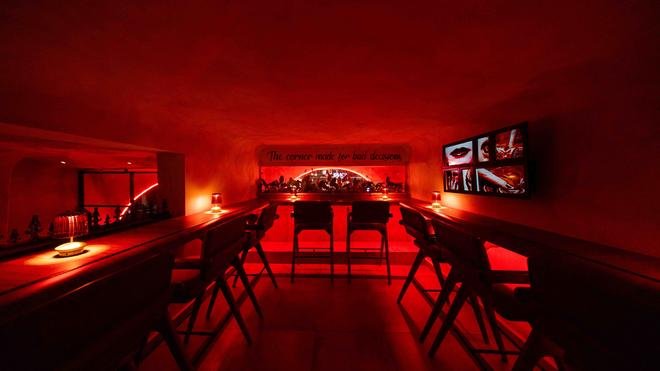
Bengaluru’s evolving food and beverage scene has found a clever solution to a long-standing identity question: why choose between a café and a bar when one space can be both? Across neighbourhoods like Indiranagar, Koramangala, and central business districts, a new wave of hybrid venues is emerging—cafés by day and cocktail bars by night.
This Bengaluru café bar trend reflects more than just a design shift. It signals a deeper transformation in how urban consumers use spaces, how hospitality businesses optimise revenue, and how cities adapt to increasingly fluid lifestyles.
Who: Young professionals, entrepreneurs, and hospitality innovators
What: Dual-purpose café-bar spaces
When: Gaining momentum post-2023, accelerating through 2025–2026
Where: Bengaluru, with potential spillover to other metros
Why: To maximise space usage and meet changing consumer needs
How: By transforming ambience, menus, and experiences across the day
—
The Origins of the Café-Bar Hybrid Model
The idea of multi-functional hospitality spaces isn’t entirely new. Globally, cities like London, Melbourne, and New York have long embraced venues that shift identity across the day. However, in India—where zoning, licensing, and consumer habits are more rigid—the concept is relatively recent.
Bengaluru, often considered India’s most experimental urban playground, has become the testing ground for this evolution. With its tech-driven workforce and strong café culture, the city naturally lends itself to spaces that cater to both productivity and leisure.
The shift accelerated after the pandemic, when businesses were forced to rethink cost structures and utilisation. Empty evenings in cafés and slow mornings in bars became glaring inefficiencies.
—
Understanding the Bengaluru Café Bar Trend
At its core, the trend is simple: one space, two distinct identities.
| Aspect | Day (Café Mode) | Night (Bar Mode) |
|---|---|---|
| Ambience | Bright, natural light | Dim, warm lighting |
| Menu | Coffee, pastries, light meals | Cocktails, spirits, small plates |
| Audience | Remote workers, casual meetups | Social drinkers, nightlife crowd |
| Music | Soft, ambient | Upbeat, curated playlists or DJs |
This transformation is not merely aesthetic—it is strategic, operational, and psychological. Customers experience a shift in mood, while businesses unlock extended revenue windows.
—
Why This Model Makes Financial Sense
One of the strongest drivers behind this trend is economics. Running a hospitality business in Bengaluru involves high fixed costs—rent, staff salaries, utilities, and licensing fees.
Traditionally:
- Cafés peak between 9 AM and 5 PM
- Bars peak between 7 PM and midnight
This creates a utilisation gap. A café sitting idle at night is essentially losing revenue, while a bar that opens only in the evening misses daytime opportunities.
The hybrid model bridges this gap.
Revenue Optimisation Example
Imagine a space generating:
- £1,200 during the day as a café
- £0 at night (if it remains a café only)
By converting into a bar:
- Additional £1,800–£2,500 revenue at night becomes possible
Total potential daily revenue nearly doubles—without increasing real estate footprint.
This is why investors and restaurateurs are increasingly backing the model.
—
The Psychology Behind Consumer Appeal
Modern urban consumers are no longer looking for single-purpose venues. Instead, they seek flexibility, familiarity, and experience.
The café-bar hybrid taps into three key behavioural shifts:
1. Fluid Daily Routines
Work-from-home and hybrid jobs mean people no longer follow strict schedules. A place that supports both work meetings and evening unwinding becomes highly attractive.
2. Emotional Continuity
Customers enjoy returning to the same space throughout the day. It builds a sense of belonging and comfort.
3. Experience Over Consumption
Today’s consumers value ambience and storytelling as much as food or drinks. A venue that evolves offers a richer, more memorable experience.
—
Creative Opportunities for Restaurateurs
This model allows for a level of creativity rarely possible in traditional formats.
Menu Innovation
- Espresso-based drinks that transition into coffee cocktails
- Shared ingredients across day and night menus
- Seasonal offerings that evolve with time
Design Flexibility
- Lighting systems that shift tone and intensity
- Modular furniture arrangements
- Visual storytelling through décor changes
Brand Identity
Instead of being labelled strictly as a café or bar, these venues position themselves as lifestyle destinations.
—
Operational Challenges: The Hidden Complexity
While the concept appears seamless to customers, executing it is far from simple.
Key challenges include:
- Staff training: Baristas and mixologists require different skill sets
- Inventory management: Stocking both coffee and alcohol efficiently
- Licensing regulations: Alcohol permits vary by time and location
- Brand clarity: Avoiding confusion about the venue’s identity
Failure to balance these elements can dilute the experience and impact customer loyalty.
—
How Bengaluru Compares to Global Trends
The Bengaluru café bar trend aligns with global hospitality shifts, but with local nuances.
| City | Trend | Key Difference |
|---|---|---|
| London | All-day dining cafés with bars | More mature licensing ecosystem |
| Melbourne | Coffee-to-wine transitions | Strong café culture foundation |
| Bengaluru | Café-to-cocktail hybrid spaces | Rapidly evolving consumer base |
Bengaluru’s version stands out for its speed of adoption and youthful audience.
—
The Real-World Impact on the Industry
This shift is influencing multiple layers of the hospitality ecosystem:
1. Real Estate Efficiency
Higher revenue per square foot makes premium locations more viable.
2. Employment Opportunities
Demand for multi-skilled staff is increasing, creating new career paths.
3. Supplier Ecosystems
From specialty coffee roasters to craft spirit distributors, supply chains are expanding.
—
A Unique Insight: The Rise of “Time-Based Hospitality”
One of the most overlooked aspects of this trend is what can be called time-based hospitality.
Instead of defining a venue by what it serves, businesses are now defining it by when and how it serves.
This could lead to future innovations such as:
- Breakfast cafés turning into co-working hubs midday
- Bars transforming into late-night dining spots
- Spaces adapting hourly based on demand patterns
The café-bar model is just the beginning.
—
Future Outlook: Will This Trend Spread Across India?
The success of Bengaluru’s hybrid spaces raises an important question: is this a local phenomenon or a national shift?
Likely expansion factors:
- Rising urbanisation in cities like Mumbai, Delhi, and Hyderabad
- Increasing rental costs pushing businesses to optimise space
- Growing exposure to global dining and nightlife trends
However, adoption may vary depending on local regulations and cultural preferences.
—
Conclusion: A Smarter, More Adaptive Future for Hospitality
The Bengaluru café bar trend is not just a passing fad—it represents a fundamental shift in how spaces are designed, experienced, and monetised.
By blending the calm of a café with the energy of a bar, these venues offer something modern consumers deeply value: choice without compromise.
For businesses, it’s a model rooted in efficiency and creativity. For customers, it’s a richer, more flexible experience.
And as cities continue to evolve, the ability to adapt—hour by hour—may become the defining trait of successful hospitality brands.
For breaking news and live news updates, like us on Facebook or follow us on Twitter and Instagram. Read more on Latest Lifestyle on thefoxdaily.com.

COMMENTS 0