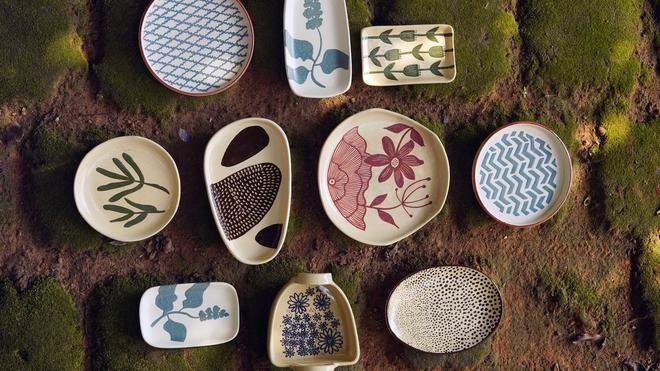
Primary Keyword: craft crockery in Indian restaurants
LSI Keywords: handcrafted ceramics India restaurants, stoneware dining India, artisanal crockery trend, restaurant plating India, sustainable tableware India, Indian pottery revival, chef plating techniques, dining experience design
Introduction: When the Plate Becomes Part of the Meal
Walk into a modern restaurant in India today, and you may notice something subtle yet transformative: the plate itself demands attention. This is not accidental. The rise of craft crockery in Indian restaurants marks a significant shift in how dining is conceptualised, presented, and experienced.
Who: Chefs, restaurateurs, and artisans across India
What: A growing trend of using handcrafted crockery in restaurants
When: Rapidly evolving over the past decade, accelerating post-2020
Where: Cities like Chennai, Mumbai, Bengaluru, Indore, and Kasauli
Why: To enhance storytelling, sustainability, and sensory dining
How: Through collaborations with artisans and intentional design choices
What was once merely functional is now deeply expressive. Crockery has become a silent narrator—telling stories of geography, craftsmanship, and philosophy before the first bite is even taken.
The Evolution of Dining: From Utility to Experience
Historically, restaurant crockery prioritised uniformity, durability, and cost-efficiency. White porcelain dominated tables across the country because it was neutral, predictable, and easy to replace.
But as dining evolved into an experience rather than just a necessity, chefs began questioning this uniformity. Why should every dish be served on the same blank canvas? Why not let the plate amplify the story?
This shift mirrors global fine dining trends, where presentation is as important as taste. However, in India, it has taken on a uniquely cultural dimension—rooted in local materials, traditions, and craft heritage.
The Rise of Craft Crockery in Indian Restaurants
The growing popularity of craft crockery in Indian restaurants is not just a design trend—it is part of a broader movement toward authenticity and localisation.
1. A Return to Roots
India has a rich history of pottery and ceramics, from terracotta vessels to intricate glazed ware. For centuries, food was served in handcrafted utensils that reflected regional identity.
Modern restaurants are rediscovering this heritage, reinterpreting it for contemporary audiences. The result is a blend of tradition and innovation.
2. The Influence of Global Fine Dining
Globally, Michelin-starred restaurants have long used custom crockery to enhance plating. Indian chefs, many of whom have trained internationally, are bringing this philosophy back home—but with a local twist.
3. Instagram and Visual Culture
In the age of social media, presentation matters more than ever. A visually striking dish served on unique crockery is more likely to be shared, photographed, and remembered.
But beyond aesthetics, the best restaurants ensure that the crockery adds depth—not distraction.
How Chefs Are Designing with Crockery
Today’s chefs are not just cooking—they are curating experiences. Crockery plays a crucial role in this process.
Material Matters
- Ceramics: Versatile, artistic, and deeply rooted in tradition
- Stoneware: Durable with a rustic, earthy appeal
- Wood and metal accents: Used selectively for contrast
Form and Function
- Shallow plates for delicate plating
- Deep bowls for layered dishes
- Irregular shapes to create visual movement
Colour Psychology
- Neutral tones highlight vibrant food
- Darker plates add drama and contrast
- Textured surfaces create depth
The goal is not just to “look good” but to create harmony between food and form.
Collaboration with Artisans: A Quiet Revolution
One of the most meaningful aspects of this trend is the collaboration between restaurants and artisan communities.
Instead of mass-produced crockery, many chefs now work directly with potters and ceramic studios to create bespoke pieces.
Why This Matters
- Economic impact: Provides sustainable livelihoods for artisans
- Cultural preservation: Keeps traditional crafts alive
- Creative freedom: Allows chefs to design unique dining narratives
This collaboration represents a shift from consumption to co-creation—where craft and cuisine evolve together.
Regional Expressions: One Country, Many Stories
The beauty of craft crockery in India lies in its diversity. Each region brings its own aesthetic and philosophy.
| City/Region | Crockery Style | Design Influence |
|---|---|---|
| Chennai | Minimal, earthy ceramics | South Indian traditions, temple aesthetics |
| Mumbai | Bold, experimental designs | Urban, global influences |
| Bengaluru | Sustainable, handcrafted pieces | Eco-conscious and modern design |
| Indore | Fusion of traditional and contemporary | Central Indian craft heritage |
| Kasauli | Rustic stoneware | Nature-inspired mountain aesthetics |
This regional diversity ensures that no two dining experiences feel the same.
Why It Matters: Beyond Aesthetics
1. Enhancing the Sensory Experience
The weight, texture, and temperature of crockery influence how food is perceived. A warm bowl can enhance comfort; a rough surface can evoke rustic authenticity.
2. Sustainability and Conscious Consumption
Handcrafted crockery often uses natural materials and small-batch production methods, making it more sustainable than industrial alternatives.
3. Emotional Connection
Imperfections in handmade pieces create a sense of uniqueness. Diners feel a deeper connection to the experience.
A Unique Insight: Crockery as a Branding Tool
Here’s an angle often overlooked: crockery is becoming a powerful branding asset.
Just as logos and interiors define a restaurant’s identity, so does its tableware.
- Signature plates can become instantly recognisable
- Custom designs reinforce brand storytelling
- Consistent aesthetics build customer memory
In a competitive market, this subtle differentiation can influence customer loyalty and recall.
Challenges Behind the Trend
While the benefits are clear, adopting craft crockery is not without challenges.
- Cost: Handmade pieces are more expensive than mass-produced ones
- Durability: Fragility can increase replacement costs
- Consistency: Variations in handmade items can be difficult to standardise
Yet, many restaurants consider these trade-offs worthwhile for the value they add.
Comparison: Craft vs Industrial Crockery
| Aspect | Craft Crockery | Industrial Crockery |
|---|---|---|
| Design | Unique, artistic | Uniform, standardised |
| Production | Handmade, small batches | Mass-produced |
| Cost | Higher | Lower |
| Experience | Immersive, tactile | Functional |
| Sustainability | Often eco-friendly | Varies |
This comparison highlights why many premium and mid-range restaurants are making the shift.
Real-World Impact: Changing How India Dines
The adoption of craft crockery is influencing multiple aspects of the restaurant industry:
- Menu design: Dishes are being created with plating in mind
- Pricing strategies: Premium experiences justify higher prices
- Customer expectations: Diners now expect visually engaging meals
This is not just a trend—it is reshaping the fundamentals of dining.
Future Outlook: Where Is This Trend Heading?
1. Increased Localisation
Expect more hyper-local crockery reflecting specific regions, materials, and stories.
2. Technology Meets Craft
Design innovation may combine traditional techniques with modern tools like 3D modelling.
3. Retail Expansion
Restaurants may begin selling their signature crockery, extending the experience beyond dining.
Prediction: In the next five years, craft crockery could become a defining feature of India’s premium dining landscape, much like open kitchens and chef’s tasting menus.
Conclusion: A Plate That Speaks
The rise of craft crockery in Indian restaurants is more than a visual upgrade—it is a cultural and experiential transformation.
By blending tradition with innovation, chefs are redefining what it means to dine out. Plates are no longer passive—they are active participants in storytelling.
As this movement grows, one thing becomes clear: the future of dining in India is not just about flavour—it is about feeling, context, and connection.
And sometimes, the most memorable part of a meal is the plate it was served on.
For breaking news and live news updates, like us on Facebook or follow us on Twitter and Instagram. Read more on Latest Lifestyle on thefoxdaily.com.

COMMENTS 0