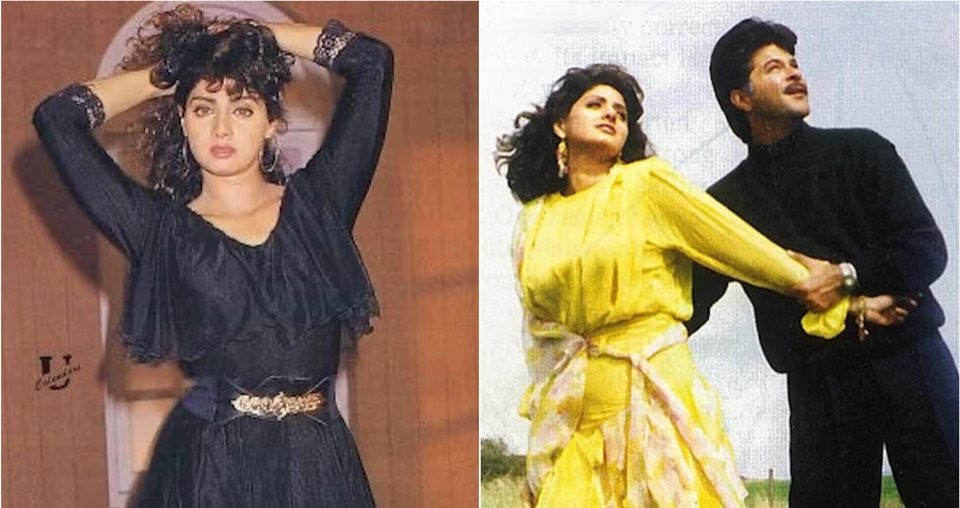
In the history of Indian cinema, few films have left a lasting impression on fashion quite like “Lamhe”. Released in 1991 and starring the legendary Sridevi, the film wasn’t just a bold narrative experiment—it was a visual masterpiece. At the heart of its timeless aesthetic was celebrated costume designer Neeta Lulla, whose work earned her a prestigious National Film Award.
What made these costumes so extraordinary? According to Lulla, the answer lies in a detail often overlooked today: every outfit was handcrafted. In an era before fast fashion and digital styling, this dedication to craft created a wardrobe that not only defined characters but also influenced Indian fashion for decades.
This article explores the story behind the costumes of “Lamhe,” the creative decisions that shaped them, and why they continue to inspire designers even today.
The Context: Why ‘Lamhe’ Was a Turning Point for Costume Design
Directed by Yash Chopra, “Lamhe” was a film ahead of its time—both in storytelling and styling. The narrative spanned generations, requiring Sridevi to portray dual roles with distinct personalities. This demanded a costume design approach that could visually separate characters while maintaining continuity.
At a time when Bollywood costumes were often exaggerated or purely decorative, “Lamhe” introduced a character-driven wardrobe philosophy. Clothes were not just outfits—they were storytelling tools.
Neeta Lulla’s Vision: Crafting Identity Through Clothing
Neeta Lulla approached the film with a clear objective: authenticity. Instead of relying on mass-produced garments, she focused on traditional craftsmanship.
- Use of regional textiles from Rajasthan
- Incorporation of hand embroidery techniques
- Attention to fabric movement and drape
- Designing each outfit to reflect emotional transitions
This approach ensured that every costume felt lived-in, culturally rooted, and visually rich.
The Handcrafted Advantage: Why It Made All the Difference
In today’s fast-paced production environment, handcrafted costumes are rare. But in “Lamhe,” they were essential.
1. Authenticity
Handmade garments allowed for intricate detailing that machine production couldn’t replicate. This added depth to every frame.
2. Character Consistency
Each outfit was tailored specifically for Sridevi’s characters, ensuring visual continuity throughout the film.
3. Cultural Accuracy
Traditional techniques preserved the authenticity of regional attire, especially in the Rajasthan sequences.
4. Timeless Appeal
Because they weren’t trend-driven, these designs remain relevant even decades later.
Breaking Down the Iconic Looks
Rajasthani Elegance
The first half of the film showcased rich, traditional outfits inspired by Rajasthan. Think vibrant lehengas, mirror work, and flowing dupattas that captured the region’s cultural essence.
- Bright color palettes symbolizing youth and vitality
- Heavy embroidery reflecting heritage
- Layered silhouettes enhancing visual drama
Modern Minimalism
In contrast, the second half—set in London—featured contemporary styles. The shift in wardrobe mirrored the character’s evolution.
- Softer fabrics and muted tones
- Simplified silhouettes
- Fusion of Indian and Western aesthetics
Comparison: Then vs Now in Bollywood Costume Design
| Aspect | ‘Lamhe’ Era (1990s) | Modern Bollywood |
|---|---|---|
| Production Method | Handcrafted | Mass-produced / Styled |
| Design Philosophy | Character-driven | Trend-driven |
| Fabric Selection | Traditional textiles | Global sourcing |
| Longevity | Timeless | Seasonal trends |
This comparison highlights why “Lamhe” continues to stand out—it prioritized storytelling over spectacle.
Why It Matters: The Impact on Indian Fashion
The influence of “Lamhe” extended far beyond cinema screens. It shaped how Indian audiences perceived fashion:
- Revived interest in traditional crafts
- Encouraged designers to focus on narrative styling
- Inspired bridal and festive wear trends
- Elevated the role of costume designers in filmmaking
Neeta Lulla’s work proved that costumes could be as powerful as dialogue in storytelling.
The National Award: Recognition of Craft and Vision
Winning the National Award wasn’t just about aesthetics—it was recognition of a holistic design philosophy. The jury acknowledged:
- Attention to detail
- Consistency across timelines
- Cultural authenticity
- Innovation in character styling
It marked a milestone in Indian cinema, bringing costume design into the spotlight as a serious artistic discipline.
The Missing Insight: Why Handcrafted Fashion Is Making a Comeback
Interestingly, the industry is now circling back to what “Lamhe” championed decades ago—slow fashion.
With growing awareness about sustainability and cultural preservation, designers are rediscovering the value of handcrafted garments.
- Eco-conscious production methods
- Support for local artisans
- Demand for unique, non-mass-produced pieces
In many ways, Neeta Lulla’s work in “Lamhe” was ahead of its time.
Prediction: The Future of Costume Design in Indian Cinema
As audiences become more discerning, costume design is likely to evolve in three key ways:
- Greater emphasis on authenticity
- Integration of traditional craftsmanship with modern aesthetics
- Increased recognition for designers as storytellers
Films that invest in thoughtful costume design will stand out in an era dominated by visual overload.
Conclusion: More Than Just Costumes
The success of “Lamhe” wasn’t just about its narrative or performances—it was about the seamless integration of design and storytelling. Neeta Lulla’s handcrafted costumes transformed fabric into emotion, identity, and memory.
For aspiring designers and cinema lovers alike, the lesson is clear: great fashion tells a story.
And sometimes, that story is powerful enough to win a National Award—and remain iconic for generations.
For breaking news and live news updates, like us on Facebook or follow us on Twitter and Instagram. Read more on Latest Lifestyle on thefoxdaily.com.

COMMENTS 0