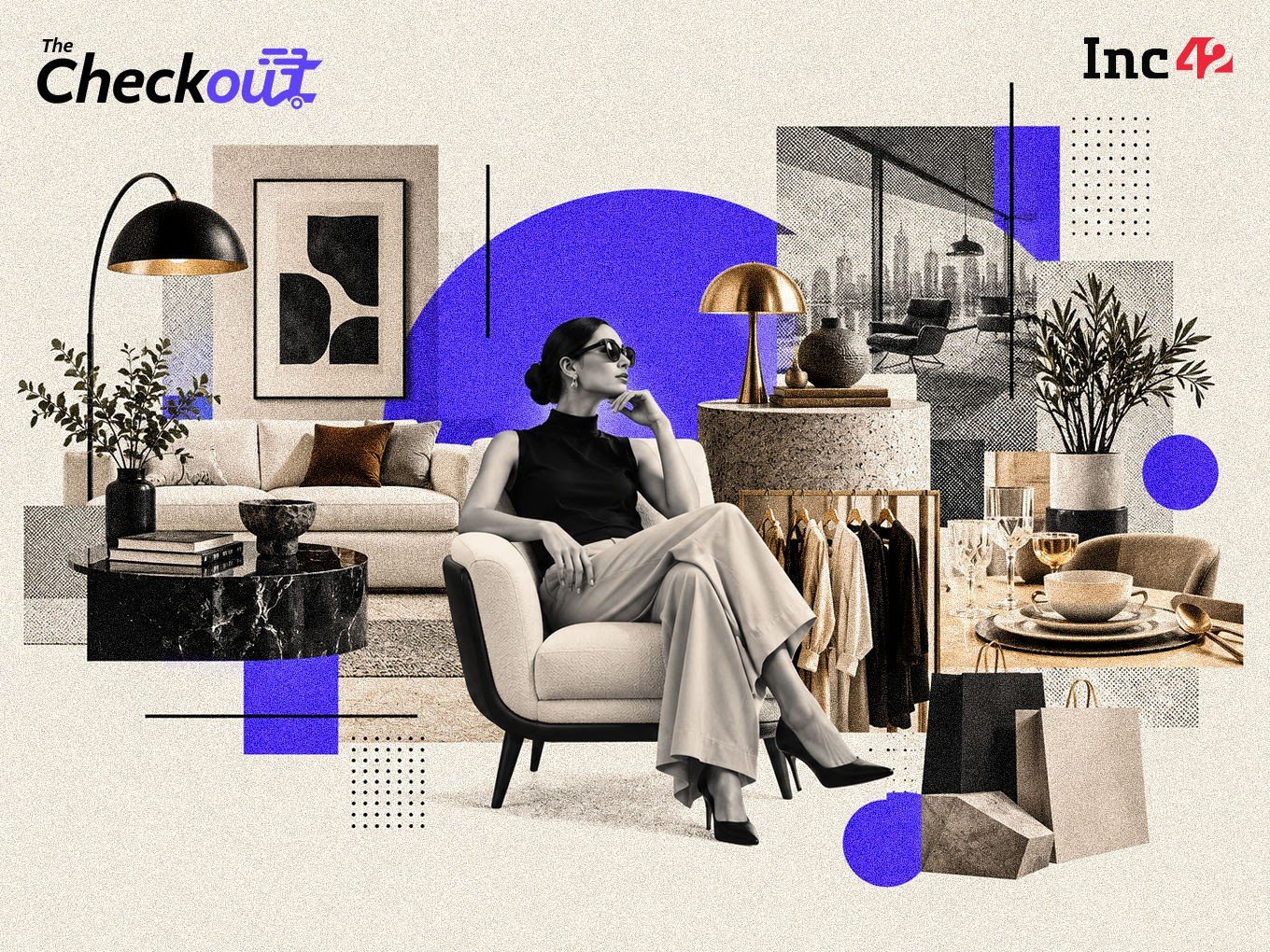
India’s premium lifestyle market is evolving as affluent consumers increasingly spend on design-led products that reflect their personal tastes and aspirations. For lifestyle brands, the challenge is no longer limited to selling a premium product. It is about building lasting customer relationships, encouraging repeat purchases and becoming part of consumers’ homes, celebrations and gifting occasions.
As Gargi Sarkar and Anjali Jain explore in their September 22, 2026, report, “Lifestyle Brands Walk The Premium Tightrope,” brands are looking to expand their relationship with customers across product categories and occasions. The goal is to transform a single purchase into an ongoing association—one that extends beyond a store visit and into a customer’s everyday lifestyle.
Beyond the First Purchase: The Value of Customer Loyalty
Imagine a customer entering a premium lifestyle store to buy a vase. Instead of leaving with just one item, the customer purchases a dinner set, tableware, candles and other décor pieces for the living room.
Months later, the same customer returns—not for personal use this time, but to find a housewarming gift for family or friends.
This example captures the kind of customer relationship premium lifestyle brands want to build. A single purchase can become the starting point for a broader shopping journey, spanning home décor, dining accessories, gifting and other lifestyle categories.
For brands, the opportunity lies in giving customers compelling reasons to return. Repeat visits can help deepen brand familiarity, increase customer lifetime value and create a stronger connection between consumers and the brand.
The emphasis is therefore shifting from selling an individual product to building a more enduring lifestyle proposition.
Why Premium Lifestyle Brands Are Expanding Across Categories
Premium lifestyle shopping is not always driven by immediate necessity. Consumers may be drawn to products because of their design, craftsmanship, aesthetic appeal or ability to complement a particular space or occasion.
When a customer connects with a brand’s design language, that relationship may extend beyond the product originally purchased. Someone who discovers a brand through a decorative vase may later consider its tableware, candles or gifting collections.
This creates an opportunity for brands to introduce customers to complementary categories without relying entirely on new customer acquisition.
However, cross-category growth depends on more than simply offering a wider catalogue. The products need to feel connected through quality, design, utility or a consistent brand identity. Without that coherence, expanding into more categories may not necessarily strengthen customer loyalty.
The Premium Tightrope: Balancing Aspiration and Accessibility
The phrase “premium tightrope” points to a central challenge for lifestyle brands: sustaining a premium identity while encouraging customers to make frequent purchases across categories.
Premium positioning often depends on a combination of design, perceived quality, brand experience and pricing. Yet customers may not make repeated purchases if every product feels financially out of reach or if the value proposition is unclear.
Brands must therefore consider how to maintain their aspirational appeal while offering customers different reasons and opportunities to engage.
This balance can involve creating a cohesive product range, offering items suited to different occasions and ensuring that the shopping experience consistently reflects the brand’s positioning.
Importantly, premium does not simply mean expensive. For consumers, the perceived value of a product may also come from its design, usefulness, durability, gifting appeal or ability to complement their homes.
Gifting: A Route to Repeat Purchases
The housewarming example in the supplied report highlights another opportunity for premium lifestyle brands: gifting.
A customer who initially shops for personal use may later return to the same brand when searching for a gift. This can expand the brand’s relevance beyond the customer’s household and into family, social and celebratory occasions.
Gifting also creates a different purchase motivation. While home décor purchases may be driven by personal taste or a desire to refresh a living space, gifts are often selected to mark milestones, express appreciation or celebrate a new beginning.
For lifestyle retailers, products that work across personal-use and gifting occasions may offer more opportunities to remain connected with customers throughout the year.
What This Means for India’s Premium Retail Landscape
The report’s central example reflects a broader strategic consideration for premium retail: customer relationships can extend across categories, occasions and time.
For brands, this means that success may depend not only on attracting affluent shoppers but also on understanding what brings them back. A customer who returns for a second or third purchase represents a different relationship from someone who shops with a brand only once.
As premium lifestyle businesses seek to build these relationships, several areas become important:
- Consistent design identity: Products across categories should reflect a recognisable brand aesthetic.
- Complementary product ranges: Customers should be able to discover items that naturally pair with their original purchase.
- Occasion-led shopping: Gifting, home updates and celebrations can provide additional reasons to revisit a brand.
- Customer experience: The in-store and post-purchase experience can influence whether customers consider returning.
- Long-term engagement: Brands need to create value beyond the initial transaction rather than relying solely on one-time sales.
These are strategic implications of the customer-retention approach described in the excerpt, rather than confirmed initiatives by any particular brand.
From Selling Products to Building Lifestyle Relationships
The premium lifestyle opportunity is ultimately about becoming relevant to customers in more than one moment. A vase may introduce a shopper to a brand, but a broader range of thoughtfully connected products can create reasons to return.
For India’s premium lifestyle brands, the challenge is to turn that initial interest into a relationship that lasts—without diluting the design, quality and identity that made the brand appealing in the first place.
As the market develops, the ability to encourage repeat purchases across categories and occasions may become an increasingly important part of how premium lifestyle businesses build customer loyalty.
Conclusion
India’s affluent consumers are creating opportunities for premium lifestyle brands to expand their relationships with shoppers. But the real opportunity extends beyond a single transaction.
By connecting products, occasions and customer experiences, brands can encourage shoppers to return for more than one purchase. The challenge is to grow that relationship while preserving the premium appeal that attracted customers in the first place.
Editorial note: This article is based on the excerpt supplied from the September 22, 2026, report by Gargi Sarkar and Anjali Jain. The excerpt does not include brand names, market-size figures, sales data or further interviews; no such details have been attributed to the original report.
SEO Details
- Primary Keyword: Premium lifestyle brands in India
- Secondary Keywords: India’s premium retail market, lifestyle brand customer loyalty, affluent Indian consumers, premium home décor, repeat purchases, cross-category retail, lifestyle gifting
- Meta Title: Premium Lifestyle Brands in India Walk the Premium Tightrope
- Meta Description: India’s premium lifestyle brands are looking beyond one-time sales, focusing on repeat purchases, cross-category shopping and long-term customer loyalty.
For breaking news and live news updates, like us on Facebook or follow us on Twitter and Instagram. Read more on Latest Lifestyle on thefoxdaily.com.

COMMENTS 0