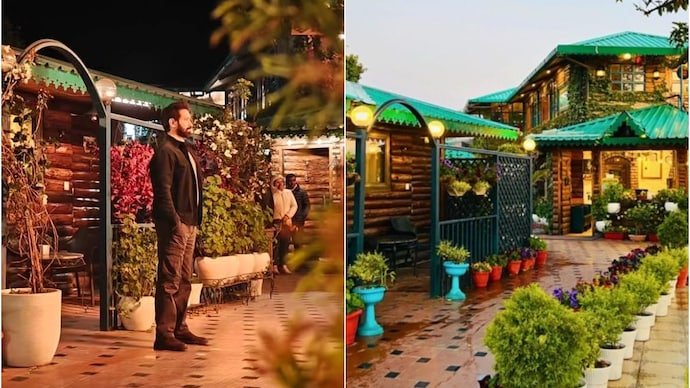
The question dominating search trends right now is simple yet intriguing: Is Musafir Cafe in Vikrant Massey’s Netflix show real? The answer is yes—and that revelation has only deepened the fascination surrounding the series. As Musafir Cafe, starring Vikrant Massey, Vedika Pinto, and Mahima Makwana, continues to trend across social media, viewers are discovering that the café at the heart of the story is inspired by a real, decades-old retreat in Uttarakhand.
Who? Vikrant Massey and ensemble cast. What? A Netflix show centred around relationships and emotional journeys. When? Recently released and currently trending. Where? Set against the scenic backdrop of Uttarakhand. Why does it matter? Because the café isn’t just a fictional set—it reflects a real cultural and Travel experience. How? By drawing from authentic Himalayan café traditions that have existed for decades.
This blend of fiction and reality is exactly why audiences are connecting so deeply with the show—and why the search term Musafir Cafe Uttarakhand real location is gaining traction.
Understanding the Concept: What Is Musafir Cafe Really About?
At its core, Musafir Cafe is not just a place—it’s an idea. The show uses the café as a narrative anchor where lives intersect, relationships evolve, and characters confront their pasts and futures.
But what makes it compelling is its grounding in reality. The café represents a long-standing tradition in Uttarakhand’s hill towns—spaces where travellers pause, reflect, and often rediscover themselves.
Key Themes Reflected Through the Café
- Slow living: A contrast to urban chaos
- Emotional introspection: Characters find clarity
- Serendipitous connections: Strangers become part of each other’s journeys
- Travel as transformation: Movement leads to growth
The Real Musafir Cafe: A Decades-Old Uttarakhand Retreat
While the Netflix series dramatizes the setting, the idea of Musafir Cafe in Uttarakhand is rooted in real cafés that have existed for decades in hill stations like Mussoorie and surrounding regions.
These cafés are not flashy tourist spots. Instead, they are understated, often family-run establishments that prioritise atmosphere over aesthetics.
Characteristics of Real Himalayan Cafés
- Wooden interiors with a rustic charm
- Panoramic views of mountains and valleys
- Minimalist menus focused on comfort food
- A quiet, reflective environment
- A mix of locals, travellers, and artists
In many ways, the show’s café is a composite representation—capturing the essence rather than replicating a single location.
Why Uttarakhand Is the Perfect Backdrop
The choice of Uttarakhand is not accidental. It aligns perfectly with the emotional tone of the series.
Geographical and Cultural Advantages
- Natural serenity: Misty hills and pine forests create a calming environment
- Accessibility: Popular among weekend travellers and solo explorers
- Cultural depth: Rich traditions blended with modern travel culture
- Creative appeal: Writers, artists, and filmmakers often retreat here
This setting amplifies the storytelling, making every scene feel authentic and immersive.
Timeline: How Café Culture in Uttarakhand Evolved
| Era | Development |
|---|---|
| Pre-1990s | Basic tea stalls and local eateries dominate hill towns |
| 1990s–2000s | Rise of small cafés catering to tourists and backpackers |
| 2010s | Growth of aesthetic cafés with global influences |
| 2020s | Cafés become cultural hubs for remote work and storytelling |
The Musafir Cafe concept fits perfectly into this evolution—representing the modern phase of café culture where experience matters more than consumption.
Deep Analysis: Why the “Real Cafe” Factor Matters
1. Authenticity Drives Emotional Connection
Audiences today are highly perceptive. They can distinguish between artificial sets and lived-in spaces. By grounding the café in reality, the show creates a stronger emotional pull.
2. Travel + Storytelling = Powerful Engagement
The combination of scenic travel locations and human stories creates a dual appeal. Viewers are not just watching—they are imagining themselves there.
3. The Rise of Experiential Content
Modern audiences value experiences over spectacle. A quiet café in the hills resonates more than high-budget visual effects because it feels attainable and real.
Comparison: Reel Cafe vs Real Uttarakhand Cafe Experience
| Aspect | Musafir Cafe (Show) | Real Uttarakhand Cafés |
|---|---|---|
| Purpose | Storytelling hub | Traveller retreat |
| Design | Curated for screen | Organic and evolving |
| Atmosphere | Emotionally heightened | Naturally शांत and slow-paced |
| Experience | Script-driven | Unpredictable and personal |
This comparison reveals an important insight: the show doesn’t exaggerate reality—it refines it.
Real-World Impact: Tourism, Culture, and Economy
Boost to Uttarakhand Tourism
Shows like Musafir Cafe often trigger destination curiosity. Viewers begin searching for similar cafés, planning trips, and sharing experiences online.
Growth of Café-Based Travel
The idea of travelling specifically for café experiences is gaining popularity, especially among younger audiences and remote workers.
Economic Opportunities
- Increased footfall for local cafés
- Rise in homestays and boutique stays
- Boost to local artisans and food suppliers
This ripple effect shows how storytelling can influence real-world economies.
Unique Insight: The Psychology Behind “Cafe Escapism”
Here’s a perspective often overlooked: Musafir Cafe taps into a deeper psychological need.
In fast-paced urban lives, people crave:
- Slower environments
- Meaningful conversations
- A break from digital overload
The café becomes a symbol of escape—not just physically, but emotionally. This is why the concept resonates across demographics.
Prediction: Will Musafir Cafe Spark a Travel Trend?
Based on current patterns, the answer is likely yes.
Expected Trends
- Increased searches for “real Musafir Cafe Uttarakhand location”
- Growth in solo travel to hill stations
- Rise of storytelling-based travel content on social media
- More OTT shows using real or inspired locations
If this continues, Musafir Cafe could become a cultural reference point—similar to how certain films have defined destinations in the past.
Conclusion: More Than Just a Cafe
So, is Musafir Cafe in Vikrant Massey’s Netflix show real? Yes—but its reality goes beyond geography.
It represents a way of life, a philosophy of slowing down, and a space where stories unfold naturally. By drawing inspiration from real Uttarakhand cafés, the show achieves something rare—it makes fiction feel lived-in.
As audiences continue to engage with the series, one thing is clear: Musafir Cafe isn’t just a setting—it’s an experience people now want to find in real life.
And perhaps that’s the biggest success of all—not just telling a story, but inspiring one.
For breaking news and live news updates, like us on Facebook or follow us on Twitter and Instagram. Read more on Latest Lifestyle on thefoxdaily.com.






COMMENTS 0