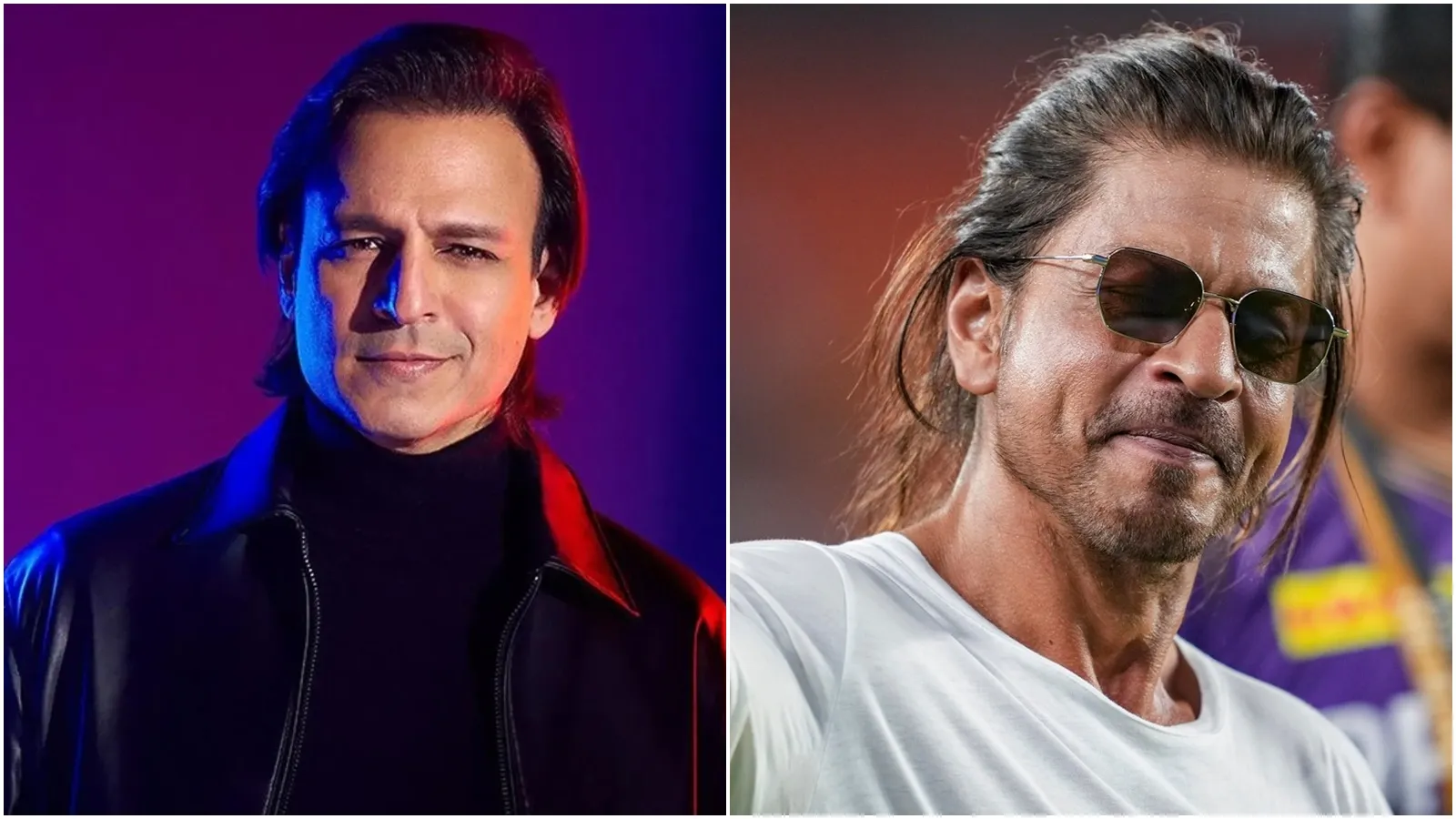
When actor Vivek Oberoi recently reflected on Shah Rukh Khan, he did not speak about blockbuster films, record-breaking box office collections, or global fame. Instead, he recalled a simple yet memorable moment that showcased the superstar’s humility. According to Oberoi, Shah Rukh Khan chose to sit on the floor alongside children, parents, teachers, and his son AbRam during an interaction—an act that deeply impressed him despite the actor’s immense stature.
The anecdote has resonated far beyond the entertainment industry because it shifts attention from celebrity achievements to character. In a world where success is often measured by visibility, wealth, and influence, moments of genuine humility stand out. They remind audiences that the qualities people remember most are often the simplest ones: kindness, respect, and the ability to make others feel valued.
This incident also opens a broader discussion about why humility matters, how emotionally secure people lead by example, and why authentic human connection remains one of the strongest indicators of lasting influence.
Why Vivek Oberoi’s Words About Shah Rukh Khan Matter
Vivek Oberoi described himself as a longtime admirer of Shah Rukh Khan, saying he has appreciated not only the actor’s films but also his outlook on cinema and life. More importantly, he acknowledged the personal warmth and encouragement he has received from the superstar over the years.
Rather than focusing on fame, Oberoi emphasized a seemingly ordinary moment. He recalled seeing Shah Rukh Khan spend time with children and families without creating distance through his celebrity status. For Oberoi, this simple interaction demonstrated that genuine greatness is reflected in everyday behaviour rather than carefully curated public appearances.
Such observations often carry greater weight because they come from someone within the same industry, where public personas are frequently scrutinized and where genuine interactions are more likely to reveal a person’s true character.
What Happened? A Quick Timeline
| Event | Key Detail |
|---|---|
| Vivek Oberoi’s interview | He shared his admiration for Shah Rukh Khan during an interview with Mirchi Plus. |
| The memorable moment | Shah Rukh Khan reportedly sat on the floor with children, parents, teachers, and AbRam instead of seeking special treatment. |
| Public discussion | The anecdote sparked conversations about humility, leadership, and emotional intelligence. |
| Expert perspective | Psychotherapist Delnna Rrajesh explained why such behaviour reflects emotional security rather than performative modesty. |
Humility Is Often Misunderstood
Many people confuse humility with being timid, self-deprecating, or lacking confidence. Modern psychology paints a very different picture.
Humility is not about denying achievements. Instead, it is about recognizing accomplishments without allowing them to define every interaction. Truly humble individuals possess confidence that does not depend on constant validation from others.
According to psychotherapist Delnna Rrajesh, emotionally secure people rarely feel compelled to remind others of their importance. They do not require visible symbols of status because their confidence comes from within rather than external recognition.
This distinction is important because it explains why humble behaviour often appears effortless. When someone no longer feels the need to prove their value, they naturally become more approachable, attentive, and respectful.
The Psychology Behind Genuine Humility
Psychologists often associate humility with emotional intelligence, self-awareness, and secure self-esteem. Contrary to popular belief, confident people are generally more capable of displaying humility because they do not perceive kindness as a threat to their own identity.
Several characteristics are commonly seen in emotionally secure individuals:
- They acknowledge others without feeling diminished.
- They remain open to learning regardless of experience.
- They accept praise without arrogance.
- They treat every individual with equal respect.
- They value relationships more than status symbols.
These qualities strengthen trust in both personal and professional relationships, making humility an essential leadership skill rather than merely a moral virtue.
Why Small Gestures Leave the Biggest Impression
Grand speeches and carefully planned public appearances often generate headlines, but simple acts of kindness are usually what people remember years later.
Sitting beside children instead of separating oneself through privilege may appear insignificant at first glance. However, such gestures communicate equality, accessibility, and genuine interest in others.
Behavioural science suggests that people build trust primarily through repeated everyday interactions rather than extraordinary events. Small actions signal authenticity because they are difficult to manufacture consistently.
This is one reason why stories like Vivek Oberoi’s resonate with audiences. They reveal personality through behaviour instead of publicity.
How Emotional Intelligence Shapes Leadership
Whether in cinema, business, politics, or education, the most admired leaders are often those who make others feel respected rather than intimidated.
Emotional intelligence consists of several interconnected abilities:
- Understanding one’s own emotions.
- Recognizing others’ feelings.
- Managing interpersonal relationships effectively.
- Communicating with empathy.
- Responding thoughtfully instead of reacting impulsively.
Humility strengthens each of these qualities because it encourages curiosity over certainty and listening over self-promotion.
Celebrity Culture Often Rewards Visibility—Not Humility
Today’s entertainment industry thrives on constant visibility. Social media rewards attention, personal branding, and carefully managed public images.
Yet audiences increasingly appreciate authenticity over perfection.
Fans today are not only interested in an actor’s latest film. They also pay attention to how celebrities interact with colleagues, staff members, fans, and children. Public perception increasingly depends on consistency between public image and personal behaviour.
Moments of humility often become memorable precisely because they appear genuine rather than promotional.
Comparison: Fame Versus Character
| Recognition Based on Fame | Respect Earned Through Character |
|---|---|
| Often temporary | Usually long-lasting |
| Driven by popularity | Driven by behaviour |
| Depends on achievements | Depends on values |
| Can fluctuate quickly | Builds gradually over time |
| Creates admiration | Creates trust and loyalty |
This comparison illustrates why humility often leaves a deeper legacy than success alone.
Lessons Everyone Can Apply
The conversation sparked by Vivek Oberoi’s remarks extends well beyond celebrities. Humility is a practical skill that anyone can cultivate regardless of profession or background.
1. Respect Every Individual
Titles and positions may define responsibilities, but they should never determine the level of respect offered to another person.
2. Listen Before Speaking
Active listening strengthens relationships because people value being understood more than being impressed.
3. Celebrate Others’ Success
Recognizing another person’s achievements does not reduce your own accomplishments. Instead, it demonstrates confidence and generosity.
4. Keep Learning
Humble people remain lifelong learners. They understand that valuable insights can come from colleagues, children, mentors, or even competitors.
5. Let Actions Speak
Reputation grows through consistent behaviour rather than occasional grand gestures.
Why Humility Builds Stronger Relationships
Research in organizational psychology consistently shows that humble leaders create healthier workplaces because employees feel psychologically safe.
When leaders remain approachable, team members are more willing to share ideas, admit mistakes, and collaborate openly. Similar principles apply within families, friendships, and communities.
Humility therefore contributes not only to personal reputation but also to collective success.
The Lasting Impact of Everyday Behaviour
Many public figures are remembered not solely for awards or commercial success but for how they treated those around them.
History repeatedly demonstrates that achievements create headlines, while character creates legacy. The stories people continue sharing years later often involve kindness, generosity, patience, or unexpected acts of humanity rather than professional milestones.
This explains why Vivek Oberoi’s recollection has attracted attention despite involving no dramatic event. The simplicity of the moment makes it relatable.
What This Means for Public Figures
Modern audiences increasingly expect authenticity from influential personalities. While celebrity status naturally creates distance, genuine interactions help bridge that gap.
Public figures who consistently demonstrate respect, empathy, and humility often enjoy stronger emotional connections with audiences because their behaviour reinforces credibility.
This trend reflects a broader cultural shift in which influence is measured not only by popularity but also by trustworthiness.
A Broader Perspective on Success
Professional accomplishments undoubtedly deserve recognition, but they represent only one dimension of success.
Character determines how achievements are remembered. Kindness influences how relationships evolve. Humility shapes the legacy people leave behind.
The combination of confidence and compassion creates a form of leadership that inspires rather than intimidates.
Conclusion
Vivek Oberoi’s recollection of Shah Rukh Khan offers more than an appreciation of a fellow actor. It highlights a timeless truth: genuine greatness is reflected not only in extraordinary achievements but also in ordinary moments.
The story serves as a reminder that humility is not about minimizing success—it is about carrying success with grace. Whether in entertainment, business, education, or everyday life, people rarely remember every accomplishment. They remember how someone made them feel.
As conversations around leadership, emotional intelligence, and authenticity continue to evolve, simple acts of respect may become increasingly valuable. In a world often focused on status, humility remains one of the most powerful qualities anyone can possess—and perhaps one of the most enduring measures of success.
For breaking news and live news updates, like us on Facebook or follow us on Twitter and Instagram. Read more on Latest Lifestyle on thefoxdaily.com.






COMMENTS 0