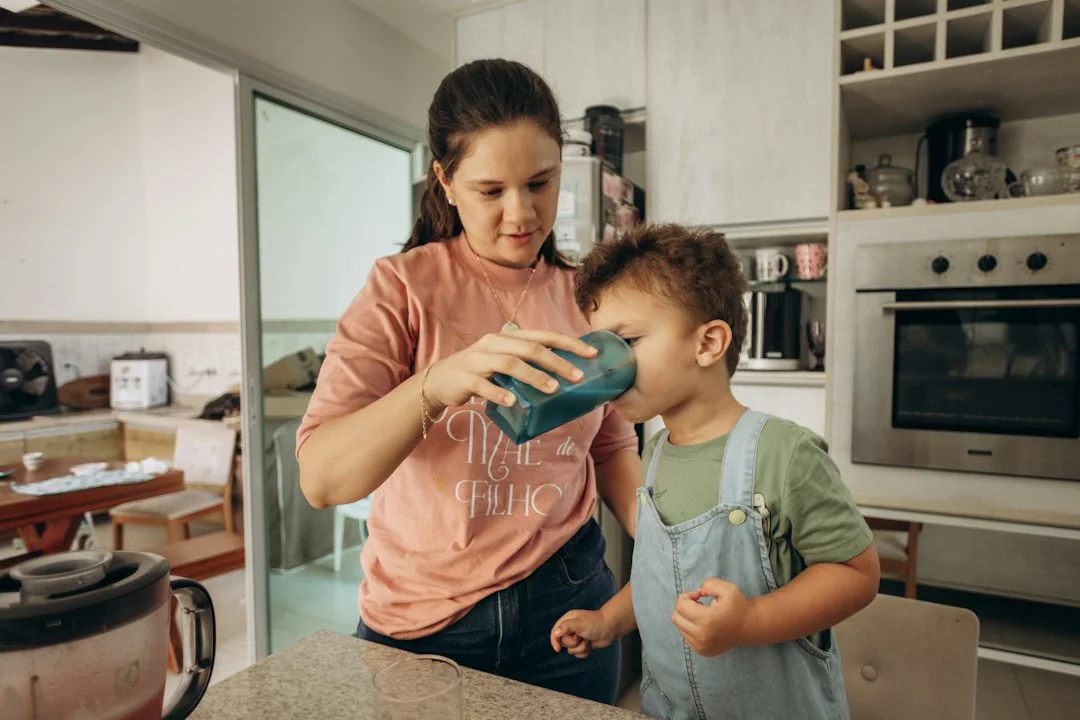
Winter often brings a change in children’s daily routines, from spending more time indoors to preferring warm meals and beverages. However, one important health habit that can get overlooked during colder months is drinking enough fluids. Since children may not feel as thirsty as they do during summer, they can gradually reduce their water intake without realising that their bodies still need regular hydration.
Dehydration in children can develop when fluid intake does not adequately replace the water the body loses through normal activities and bodily functions. Although sweating may be less noticeable in winter, the body continues to require sufficient fluids to regulate temperature, support digestion and eliminate waste products. When children drink less, they may experience changes in urination and bowel movements, including constipation.
Dr Ruchi Golash, Consultant Paediatrician at CK Birla Hospital, CMRI, Kolkata, explained to HT Lifestyle how parents can recognise winter dehydration in children and take practical steps to prevent or address it. Her advice highlights the importance of making hydration a regular part of a child’s winter routine rather than waiting until obvious symptoms appear.
Why Are Children at Risk of Dehydration During Winter?
Thirst is one of the body’s natural signals that it needs fluids. During colder weather, however, people may not experience the same level of thirst that they associate with hot summer days. Children can be particularly vulnerable because they may not independently remember to drink water throughout the day.
When temperatures fall, sweating may become less noticeable, and children may naturally reach for water less frequently. Parents may also pay less attention to fluid intake because dehydration is commonly associated with heat, outdoor play and excessive sweating.
However, hydration remains essential throughout the year. The body continuously uses water for digestion, circulation, temperature regulation and other normal functions. Children also lose fluids through urination, breathing and everyday physical activity, even when the weather is cold.
If fluid intake remains low for an extended period, the body may begin showing signs of inadequate hydration. Changes in urine colour and frequency, along with constipation and harder stools, can provide useful clues for parents.
Winter dehydration is not inevitable, and a reduction in thirst does not automatically mean that a child is dehydrated. The important point is to maintain regular fluid intake even when children do not ask for water as frequently.
Signs of Dehydration in Children Parents Should Watch For
Children may not always be able to explain that they are thirsty or feeling dehydrated. Parents and caregivers should therefore pay attention to changes in everyday habits, particularly urination and bowel movements.
Dr Golash identified several signs that may indicate a child is not getting enough fluids.
1. Darker-Coloured Urine
One of the noticeable signs of inadequate fluid intake is a change in urine colour. When the body is conserving water, urine can become more concentrated and appear darker than usual.
Parents can observe their child’s urine colour as part of their daily health routine. Darker urine may indicate that the child needs more fluids, although urine colour can also be influenced by certain foods, medicines and other health factors.
2. Passing Urine Less Frequently
Another sign to watch for is a reduction in how often a child urinates. If children are drinking less, they may pass urine less frequently because the body is trying to conserve available water.
Parents who notice a significant change in their child’s usual urination pattern should pay attention to fluid intake and look for other symptoms. A marked reduction in urination, particularly when accompanied by unusual tiredness or other signs of illness, should not be ignored.
3. Constipation and Changes in Bowel Movements
Inadequate fluid intake can also affect digestion and bowel movements. Children who are not drinking enough may become increasingly constipated, with their regular bowel movement routine becoming disrupted.
Water helps keep stools softer and supports normal bowel function. When the body does not receive sufficient fluids, the large intestine absorbs more water from waste material, which can contribute to harder stools and difficulty passing them.
Parents may notice that a child who usually passes stools regularly starts experiencing discomfort or has less frequent bowel movements. Such changes can have several causes, but inadequate hydration is one factor worth considering.
4. Dark-Coloured, Hard Stools
Passing hard or dark-coloured stools is another sign highlighted by Dr Golash. Children may strain while passing stools or complain of discomfort when constipation develops.
Hard stools can make bowel movements painful, sometimes causing children to avoid using the toilet. This can further disrupt their regular bowel habits. Ensuring adequate fluid intake can help support softer stools, although persistent constipation may require medical assessment.
Parents should remember that these signs do not always indicate dehydration on their own. A child’s overall condition, fluid intake, urination pattern and other symptoms should be considered together.
How to Prevent or Reverse Dehydration in Children During Winter
The most straightforward way to prevent dehydration is to ensure that children receive enough fluids throughout the day. According to Dr Golash, this does not mean parents must rely exclusively on plain water. A variety of age-appropriate drinks and liquid foods can contribute to overall fluid intake.
Children may be more willing to drink when fluids are offered in different forms, particularly during winter when warm beverages and soups are often more appealing.
1. Encourage Children to Drink Water Regularly
Parents should make drinking water a routine rather than waiting for children to ask for it. Offering small amounts at regular intervals can help children maintain their fluid intake throughout the day.
Water can be offered after waking up, alongside meals, after physical activity and during breaks from indoor play. Keeping a water bottle within easy reach can also remind older children to drink.
For younger children, caregivers may need to offer fluids more frequently because they may not recognise or communicate thirst consistently. The amount of water required varies according to age, body size, activity level, diet and health conditions.
2. Include Fresh Fruit Juices
Some children may be reluctant to drink plain water, especially during colder months. Fresh fruit juices can provide an additional source of fluid and may make hydration more appealing.
Dr Golash suggested options such as fresh orange juice and fresh grape juice, which are often popular with children. However, fruit juice should be offered in moderation and should not replace water or whole fruits.
Whole fruits provide fibre, which is beneficial for digestion and bowel health. Parents can include water-rich fruits as part of balanced meals and snacks to support overall fluid intake.
3. Serve Soups and Other Liquid-Rich Meals
Warm soups can be a practical way to increase fluid intake during winter. Vegetable soups, homemade chicken soup and other age-appropriate preparations provide liquid along with nutrients from their ingredients.
Children who enjoy warm meals may find soups more appealing than cold drinks when temperatures drop. Parents can include them as part of lunch, dinner or an evening snack, depending on the child’s appetite and dietary needs.
Soups also offer an opportunity to include vegetables and other nutritious ingredients in a child’s diet. However, parents should avoid making them excessively salty and should ensure that the consistency and ingredients are appropriate for the child’s age.
4. Offer Warm Milk and Turmeric Milk
Warm beverages can encourage children to consume more fluids during colder weather. Dr Golash recommended options such as milk, turmeric milk and other suitable winter drinks as part of a child’s fluid intake.
A warm cup of milk before bedtime may be comforting for children who enjoy it. Parents can also prepare milk with dry fruits, provided the ingredients are suitable for the child’s age and there are no known allergies or dietary restrictions.
Turmeric milk is another familiar winter preparation in many households. It can be offered as a warm drink, but parents should remember that it is not a treatment for dehydration. Its role in this context is to contribute to fluid intake.
For infants, milk requirements are different. Breast milk or appropriately prepared infant formula remains the primary source of hydration and nutrition during early infancy. Parents should consult a paediatrician before introducing additional water or other drinks to babies, particularly those below six months of age.
How Adequate Hydration Helps Prevent Constipation
One of the important benefits of maintaining fluid intake is its role in supporting regular bowel movements. Constipation is a common concern during childhood and can become more noticeable when children change their eating and drinking habits.
Water helps the digestive system maintain the consistency of stools. When children do not consume enough fluids, stools may become dry, hard and difficult to pass. This can lead to discomfort, straining and irregular bowel movements.
Dr Golash explained that increasing total fluid intake can help prevent dehydration and constipation. Offering water, suitable fruit juices, soups and warm drinks can make it easier for children to consume fluids during winter.
However, hydration is only one part of digestive health. A balanced diet containing adequate fibre, regular physical activity and consistent toilet habits also support healthy bowel movements.
Children who continue to experience constipation despite improved hydration should be evaluated by a healthcare professional. Persistent symptoms may have causes that require treatment beyond increasing fluid intake.
How Much Fluid Do Children Need in Winter?
There is no single fluid requirement that applies to every child. Daily needs vary depending on age, body weight, physical activity, diet, weather conditions and overall health.
Young children may need more frequent reminders to drink because they often become absorbed in play and forget about water. Older children may be able to manage their own hydration but can still reduce their intake when they do not feel thirsty.
Parents can use everyday routines to encourage regular drinking. Offering water with meals and snacks, keeping drinks accessible and including liquid-rich foods can help children maintain hydration without making it feel like a separate task.
It is also important not to force excessive amounts of water. Children should receive fluids appropriate to their age and individual needs. A paediatrician can provide specific guidance for children with medical conditions or special nutritional requirements.
When Should Parents Seek Medical Advice?
Mild dehydration may improve when a child receives adequate fluids, but parents should not assume that every case can be managed at home. Children can become dehydrated more quickly when they are unwell, particularly if they have fever, vomiting or diarrhoea.
Medical attention is important if a child shows signs such as very little or no urination, unusual sleepiness, marked weakness, a very dry mouth, sunken eyes or difficulty drinking. Severe dehydration can become a medical emergency.
Parents should also seek advice if a child has persistent constipation, repeatedly passes very dark urine or shows a significant change in normal urination habits. If vomiting or diarrhoea is present, a healthcare professional may recommend an oral rehydration solution (ORS) rather than relying on fruit juice or other drinks.
ORS contains a specific balance of water, salts and glucose to help replace fluids and electrolytes lost during illness. It should be prepared and given according to medical guidance or the instructions on the packet.
Winter Hydration: Simple Habits Can Make a Difference
Children may feel less thirsty during winter, but their bodies continue to need regular fluids. A reduction in water intake can contribute to concentrated urine, less frequent urination and constipation, making everyday hydration an important part of seasonal childcare.
Dr Golash’s advice emphasises that parents can make hydration easier by offering a variety of suitable options. Water, fresh fruit juices in moderation, soups, warm milk and turmeric milk can all contribute to a child’s fluid intake, depending on age and dietary needs.
Observing changes in urine colour, urination frequency and bowel movements can help parents identify possible problems early. With consistent routines, balanced meals and timely medical advice when symptoms persist, families can help children stay adequately hydrated throughout the colder months.
Medical disclaimer: This article is for informational purposes only and is not a substitute for professional medical advice, diagnosis or treatment. Fluid requirements vary by age and health status. Consult a qualified paediatrician if your child shows signs of dehydration or has persistent symptoms.
For breaking news and live news updates, like us on Facebook or follow us on Twitter and Instagram. Read more on Latest Lifestyle on thefoxdaily.com.





COMMENTS 0