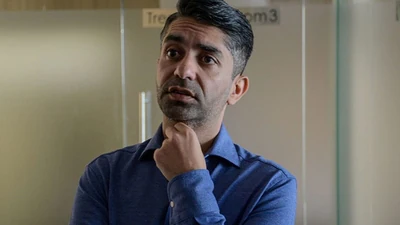
Olympic champion Abhinav Bindra has rarely been associated with political debates during his public life. Throughout his illustrious sporting career and his years as one of India’s most respected sporting ambassadors, Bindra has generally focused on issues related to excellence, performance, athlete development and education. That is why his recent comments regarding student protests and the state of education have attracted significant national attention.
At a time when student demonstrations, concerns about examination integrity and questions surrounding educational accountability continue to dominate public discussion, Bindra’s remarks have resonated far beyond the sporting community. His statement did not directly engage in political arguments or partisan positions. Instead, it focused on a broader principle: the importance of creating an education system that inspires trust, rewards merit and provides opportunities for future generations.
The intervention is notable not simply because it comes from a celebrated Olympian, but because it highlights a growing trend of influential public figures using their platforms to discuss issues affecting young people and the future of the country.
What Did Abhinav Bindra Say?
Bindra’s comments centered on the role education plays in shaping a nation’s future. While emphasizing that he does not consider himself a political figure, he argued that education is an issue that transcends ideological divisions.
His core message focused on the belief that national progress should not be judged solely through economic growth, infrastructure development or international achievements. Instead, he suggested that the opportunities available to young people are among the most important indicators of a country’s success.
The Olympic champion emphasized the importance of an education system that:
- Builds confidence among students.
- Rewards merit and hard work.
- Encourages curiosity and innovation.
- Creates equal opportunities for future generations.
- Remains a source of hope and social mobility.
The statement was widely interpreted as an expression of concern regarding recent developments involving students across different parts of the country.
Why Bindra’s Words Carry Unique Weight
Not every public statement from a celebrity generates meaningful discussion. Abhinav Bindra’s comments are different because of the credibility he has built over decades.
Bindra remains one of the most respected figures in Indian sport. His gold medal at the 2008 Beijing Olympics was a watershed moment in Indian sporting history, making him the country’s first individual Olympic gold medallist.
Unlike many athletes whose influence fades after retirement, Bindra has continued contributing to Indian sport through athlete development initiatives, sports science programs and educational advocacy.
His reputation is built on discipline, preparation and a relentless commitment to excellence. Consequently, when he speaks about education and opportunities for young people, many view his perspective as informed by personal experience rather than political motivations.
The Connection Between Education and National Development
One of the most important aspects of Bindra’s statement is its focus on education as a cornerstone of national development.
Modern economies increasingly depend on knowledge, innovation and skilled human capital. Countries that invest heavily in education often experience stronger long-term economic growth, technological advancement and social mobility.
Education influences virtually every aspect of society, including:
- Employment opportunities.
- Innovation and entrepreneurship.
- Scientific research.
- Healthcare outcomes.
- Social equality.
- Economic competitiveness.
By emphasizing educational opportunity, Bindra highlighted an issue that extends far beyond current events and touches the long-term future of the nation.
Why Student Trust Matters in Any Education System
An effective education system depends not only on schools, universities and examinations but also on public trust.
Students invest years preparing for competitive examinations, often making significant personal and financial sacrifices. Families similarly commit substantial resources in pursuit of educational success.
When confidence in educational processes is challenged, the consequences can extend beyond immediate academic outcomes.
Trust affects:
- Student motivation.
- Mental well-being.
- Perceptions of fairness.
- Career planning.
- Institutional credibility.
Maintaining confidence in educational institutions therefore becomes essential not only for individual students but for society as a whole.
The Growing Role of Athletes in Social Conversations
Historically, athletes were often expected to limit their public engagement to sports-related topics. That expectation has changed significantly over the past two decades.
Many modern athletes use their visibility to discuss issues affecting communities, education, health and youth development.
This shift reflects a broader understanding that successful athletes often possess experiences and perspectives that extend beyond their competitive achievements.
In India, several current and former sportspersons have increasingly participated in discussions involving:
- Education reforms.
- Youth development.
- Mental health awareness.
- Gender equality.
- Sports infrastructure.
- Social opportunity.
Bindra’s comments fit within this larger trend of athletes engaging with issues that influence future generations.
How Elite Sport and Education Share Similar Values
An interesting aspect of Bindra’s perspective is the natural connection between elite sport and education.
Success in both fields depends on several shared principles:
| Elite Sport | Education |
|---|---|
| Discipline | Consistent Learning |
| Preparation | Academic Study |
| Merit-Based Results | Performance-Based Evaluation |
| Continuous Improvement | Skill Development |
| Long-Term Commitment | Career Building |
Bindra’s own career serves as an example of how dedication, structured learning and sustained effort can produce extraordinary outcomes.
His emphasis on merit and opportunity mirrors values that have defined his sporting journey.
Why Education Remains One of India’s Most Important National Priorities
India possesses one of the world’s youngest populations, creating both opportunities and challenges.
A large youth population can become a tremendous economic advantage if supported by quality education, skill development and employment opportunities. However, realizing that potential requires sustained investment in educational systems and institutional capacity.
Experts frequently identify education as one of the most critical factors influencing India’s future competitiveness in areas such as:
- Technology.
- Artificial intelligence.
- Manufacturing.
- Scientific research.
- Healthcare innovation.
- Global business leadership.
This broader context helps explain why discussions surrounding education often generate strong public engagement.
The Mental Health Dimension Often Overlooked
One aspect frequently overlooked during debates about education is the emotional impact on students.
Competitive examinations, academic expectations and career uncertainty can create significant psychological pressure.
Sports psychology research has repeatedly shown that performance environments function best when participants feel supported, respected and confident in the system.
The same principle applies to education.
Students who trust the process are generally better positioned to focus on learning, development and long-term success.
As discussions continue about educational reforms and accountability, mental health considerations are likely to remain an important part of the conversation.
What Bindra’s Message Reveals About Leadership
Leadership is often associated with holding public office or managing institutions. However, leadership can also involve using influence responsibly during important moments.
Bindra’s statement demonstrates a different form of leadership—one focused on values rather than politics.
Rather than offering specific policy prescriptions, he highlighted principles that enjoy broad support:
- Opportunity.
- Merit.
- Innovation.
- Hope.
- Educational excellence.
These themes help shift attention from immediate disagreements toward longer-term goals that affect future generations.
The Broader Conversation About India’s Future
At its core, the discussion sparked by Bindra’s comments is about more than student protests or individual events.
It is ultimately a conversation about the type of future India wants to build.
Economic growth, technological advancement and global influence remain important objectives. Yet sustainable progress also depends on creating pathways through which young people can realize their potential.
Education plays a central role in that process.
Whether through classrooms, universities, vocational training or research institutions, educational opportunity remains one of the most powerful tools available for strengthening society.
Conclusion
Abhinav Bindra’s remarks have attracted attention because they address a fundamental question facing every modern nation: how to create opportunities for the next generation. By emphasizing education, merit and hope, the Olympic champion moved the discussion beyond immediate controversies and toward broader principles that shape long-term national progress.
His statement also highlights the growing role influential athletes can play in conversations about society, youth development and educational opportunity. While debates over policy and accountability may continue, Bindra’s central message remains clear: a nation’s success is measured not only by economic indicators or international achievements but by the confidence, opportunities and future it provides to its young people.
As India continues navigating the challenges and opportunities of the twenty-first century, that perspective is likely to remain highly relevant long after current headlines fade.
For breaking news and live news updates, like us on Facebook or follow us on Twitter and Instagram. Read more on Latest Sports on thefoxdaily.com.






COMMENTS 0