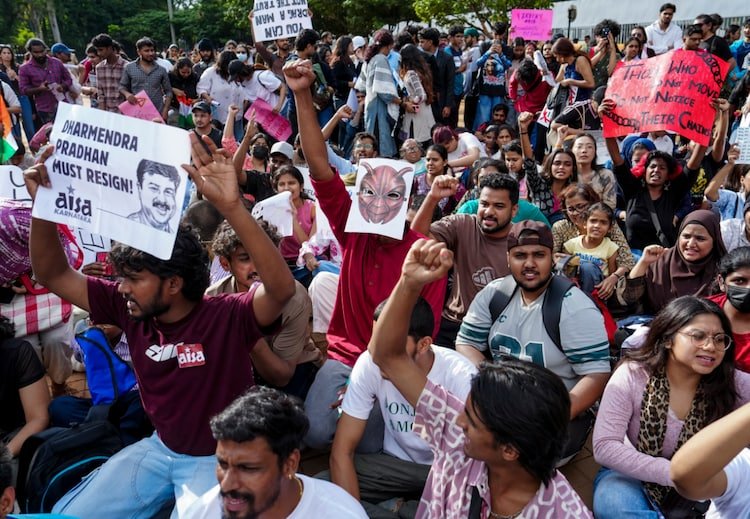
What began as a relatively small demonstration in New Delhi has evolved into one of the country’s largest student-led protest movements in recent years. Triggered by allegations surrounding examination paper leaks and broader concerns over the integrity of competitive examinations, demonstrations have spread to several major cities, drawing students, civil society groups, political leaders, Education activists, and public personalities.
As the movement expands geographically, it is increasingly shifting from a protest focused on a single examination controversy toward a broader debate about transparency, institutional accountability, and the future of India‘s education system. The government’s announcement of faster legal proceedings against paper leak cases has been welcomed by some observers, but many protesters argue that deeper structural reforms remain necessary.
The developments illustrate how issues affecting education and employment can rapidly become nationwide concerns in a country where millions of young people compete annually for university admissions and government jobs.
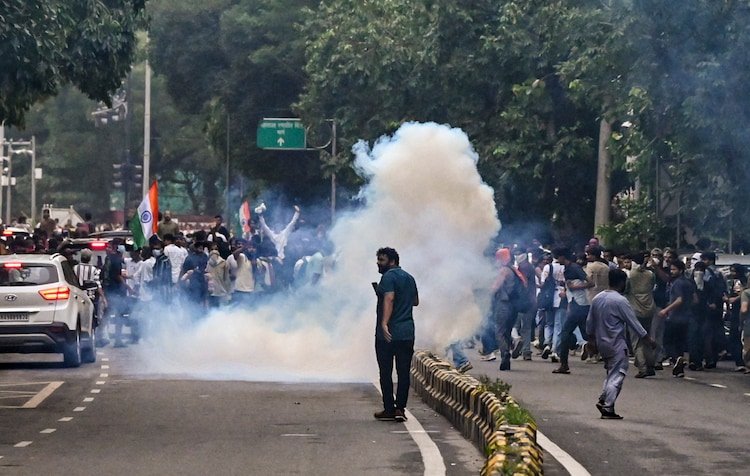
How the Protests Grew Into a Nationwide Movement
The demonstrations initially centered around concerns over alleged irregularities in competitive examinations. However, public participation increased significantly after police action against protesters during a march in the national capital generated widespread discussion across social media platforms and television coverage.
As images and videos circulated online, similar demonstrations began emerging in multiple cities, transforming what had been a localized protest into a broader national movement.
Student organizations, civil rights groups, education activists, and political parties subsequently joined discussions surrounding examination transparency and accountability.
Cities Where Demonstrations Were Reported
| City | Major Developments |
|---|---|
| New Delhi | Jantar Mantar remained the central protest site with heightened security. |
| Mumbai | Large public demonstrations and police detentions following protests. |
| Patna | Student protests alongside political debate inside the state assembly. |
| Bengaluru | Student groups organized solidarity demonstrations. |
| Hyderabad | Protesters demanded accountability in examination administration. |
| Chandigarh | Youth groups held demonstrations supporting education reforms. |
Why the Issue Resonates With Students
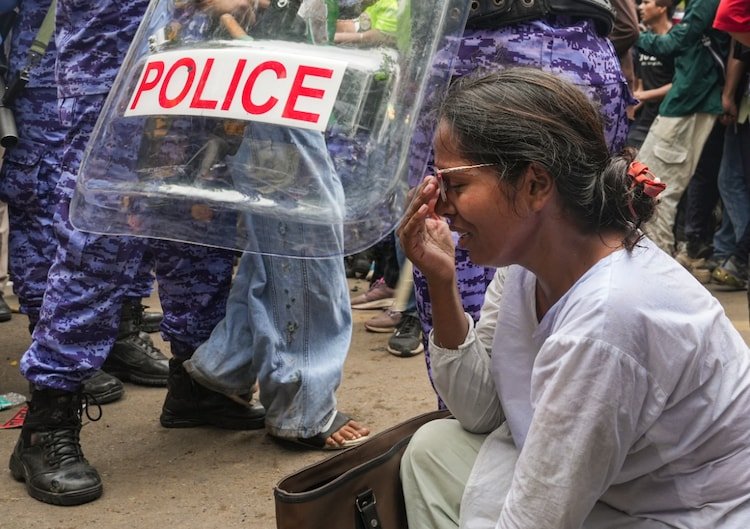
Competitive examinations play an essential role in determining educational and career opportunities for millions of young Indians.
Entrance examinations and recruitment tests determine admission into universities, medical colleges, engineering institutions, and various government services.
Any perceived compromise in examination integrity can affect thousands—or even millions—of candidates WHO invest considerable time, effort, and financial resources preparing for these examinations.
Many students participating in demonstrations argue that maintaining confidence in examination systems is essential for ensuring merit-based opportunities.
Government Announces Measures Against Paper Leaks
In response to growing public concern, the central government announced steps aimed at strengthening action against examination-related crimes.
Among the key measures highlighted were efforts to ensure faster Investigation and prosecution of paper leak cases through expedited judicial processes.
The government has reiterated that safeguarding students’ interests remains a priority and that individuals responsible for examination malpractice will face strict legal consequences.
Officials have also indicated that broader reforms to strengthen examination security continue to be considered.
Why Protesters Say Their Concerns Go Beyond Criminal Cases
Many demonstrators argue that while stronger punishment for offenders is necessary, long-term reforms should also address systemic issues affecting examination administration.
Among the concerns frequently raised are:
- Greater transparency in examination management.
- Improved Cybersecurity for examination materials.
- Independent oversight mechanisms.
- Institutional accountability where lapses occur.
- Protection of students affected by cancelled or delayed examinations.
These issues have become recurring themes in public discussions surrounding education governance.
Role of Civil Society and Public Figures
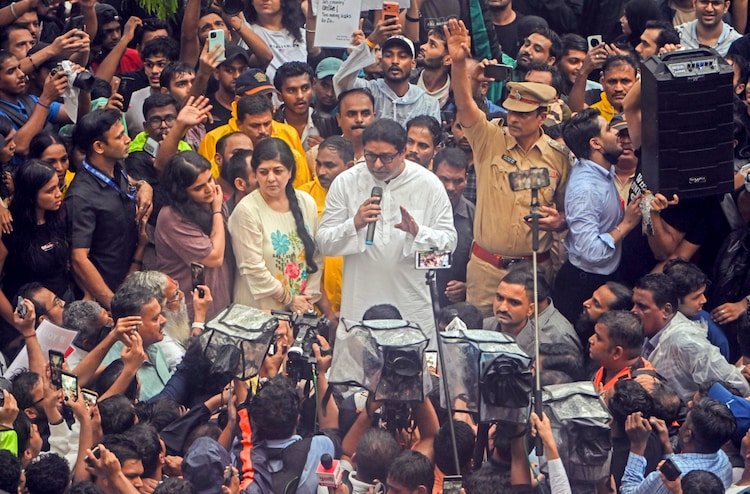
The movement has attracted support from individuals beyond traditional student organizations.
Education professionals, social activists, public personalities, and representatives from civil society have expressed concern regarding examination credibility and have called for dialogue between authorities and student representatives.
Some participants have emphasized that reforms should focus on restoring public confidence rather than simply responding to individual incidents.
Political Reactions Intensify
The protests have also become a major political issue, with opposition parties criticizing the government’s handling of examination controversies while calling for greater accountability.
Government representatives, meanwhile, have defended ongoing reforms and emphasized that action is being taken against those involved in examination malpractice.
The issue has therefore evolved into both an education Policy debate and a significant political discussion.
Why Jantar Mantar Remains the Symbolic Centre
Although demonstrations are now taking place across several states, Jantar Mantar continues to serve as the symbolic focal point of the movement.
The site has historically hosted numerous public demonstrations on issues ranging from governance and social justice to environmental protection and education reforms.
As long as protesters continue gathering there, it is likely to remain the movement’s primary public platform.
Impact on Public Services and Daily Life
Large demonstrations have also affected transportation and public movement in parts of the national capital.
Security arrangements, traffic diversions, and temporary operational changes to public transport services have been implemented during periods of heightened protest activity.
Authorities have stated that these measures are intended to maintain public safety while managing large gatherings.
Comparison: Government Measures vs Protester Expectations
| Government Initiatives | Protester Expectations |
|---|---|
| Faster legal action against paper leak cases. | Comprehensive education system reforms. |
| Strengthened law enforcement. | Greater institutional accountability. |
| Protection of examination integrity. | Independent oversight mechanisms. |
| Administrative improvements. | Higher transparency throughout examination processes. |
Expert Insight: Why Education Issues Can Trigger Nationwide Movements
Education policy experts note that examination-related issues often resonate deeply because they directly affect social mobility, employment opportunities, and public confidence in merit-based systems.
Unlike many political debates, concerns over competitive examinations cut across regional, economic, and ideological boundaries. Families across the country invest heavily in education, making examination integrity a matter of national importance.
When public trust weakens, calls for reform often extend well beyond the original incident that triggered protests.
The Broader Challenge Facing India’s Examination System
India administers one of the world’s largest examination ecosystems, serving millions of students each year.
Maintaining the credibility of such a large system requires continuous improvements in Technology, administration, and governance.
Policy specialists frequently recommend:
- Advanced digital security infrastructure.
- Encrypted question paper distribution systems.
- Artificial intelligence-based monitoring.
- Independent audit mechanisms.
- Rapid grievance redressal procedures.
- Greater transparency throughout examination management.
Many of these reforms are increasingly discussed in education policy circles as essential safeguards for the future.
Potential Long-Term Impact
Regardless of how the current demonstrations conclude, the protests have already succeeded in placing examination reforms firmly on the national agenda.
Future policy discussions may increasingly focus on balancing technological innovation, institutional accountability, and stronger legal safeguards to prevent examination malpractice.
The movement has also highlighted the importance of engaging directly with students when addressing concerns affecting education and employment.
What Happens Next?
Several developments are likely to shape the next phase of the movement:
- Further government announcements on examination reforms.
- Parliamentary discussions on education policy.
- Dialogue between student representatives and authorities.
- Implementation of legal measures against examination fraud.
- Continuation or scaling back of demonstrations across states.
The direction of the protests will likely depend on whether participants believe announced measures adequately address their concerns.
Future Outlook
India’s examination system will continue facing close public scrutiny as policymakers consider additional reforms aimed at strengthening transparency and accountability. Advances in cybersecurity, digital examination infrastructure, and institutional oversight could become central components of future education policy.
At the same time, continued engagement between students, educational institutions, and government authorities will remain essential for rebuilding trust and ensuring that competitive examinations continue to provide fair opportunities for millions of candidates.
Conclusion
The expansion of student demonstrations from Delhi to cities across India marks an important moment in the national conversation on education and examination integrity. While the government has announced measures to strengthen action against paper leak cases, many protesters continue seeking broader institutional reforms that address underlying concerns about transparency and accountability.
Beyond immediate political debates, the protests have drawn attention to the need for a robust, secure, and trusted examination system capable of supporting one of the world’s largest student populations. Whether through legislative reforms, technological upgrades, or stronger institutional safeguards, the coming months are likely to shape the future of examination governance in India for years to come.
For breaking news and live news updates, like us on Facebook or follow us on Twitter and Instagram. Read more on Latest India on thefoxdaily.com.






COMMENTS 0