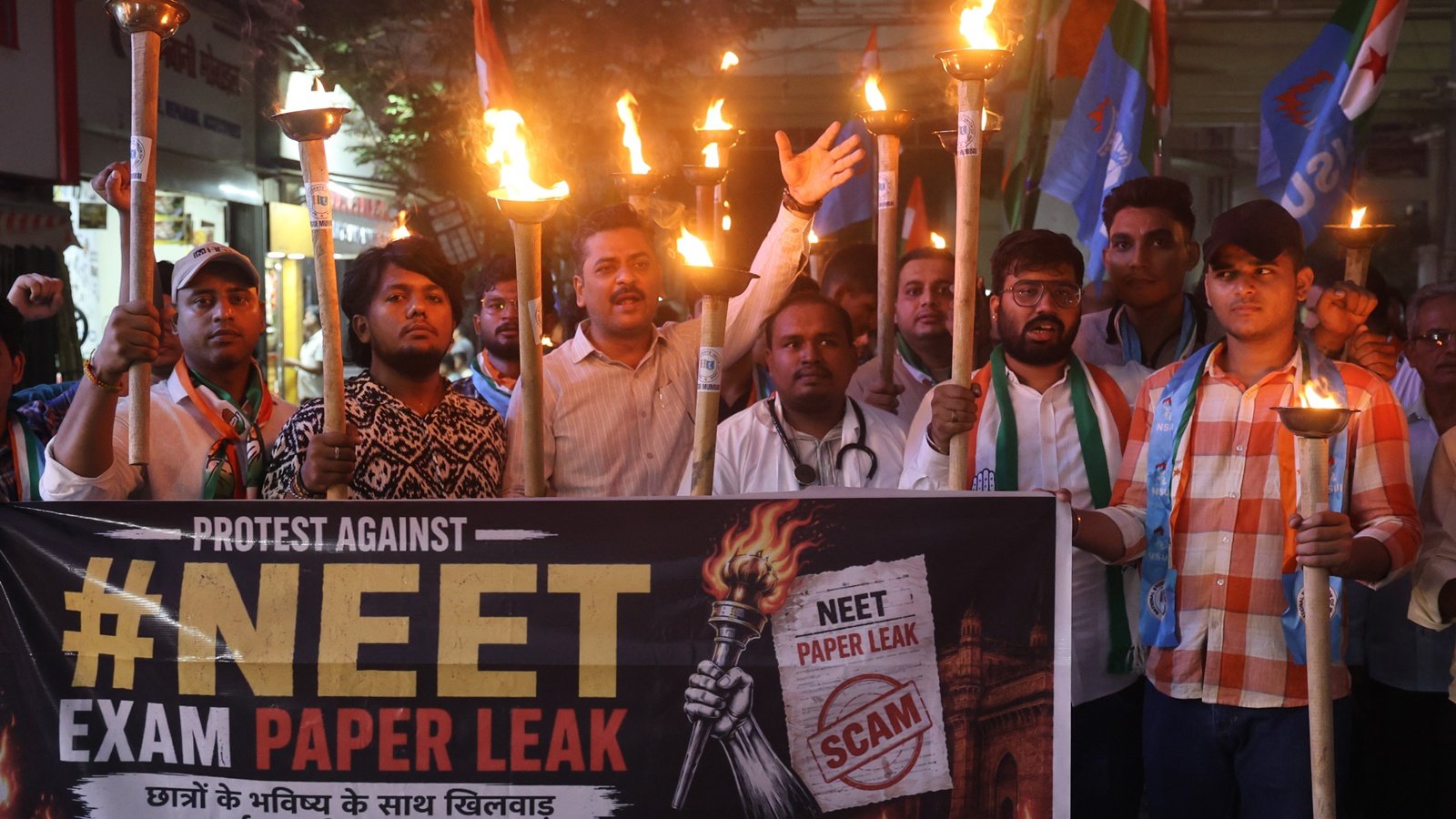
The tragic death of a 24-year-old National Eligibility cum Entrance Test (NEET) aspirant in Dehradun has once again brought India’s student mental health crisis into the spotlight. According to police, Riya Kumari allegedly died by suicide just days before a crucial NEET retest scheduled for June 21, leaving her Family, friends, and the wider education community searching for answers.
While investigations are ongoing, the incident raises broader questions about the immense pressure associated with India’s highly competitive entrance examinations. Beyond a single case, it reflects a growing challenge faced by Students preparing for career-defining tests in an increasingly competitive academic Environment.
What Happened in Dehradun?
According to police officials, Riya Kumari had been preparing for the upcoming NEET retest while pursuing her college education in Dehradun. Her father is a retired Army personnel, and she had reportedly dedicated significant time to exam preparation.
On Tuesday morning, her parents became concerned when she did not come out of her room. After finding the door locked from the inside, they forced it open and discovered her unresponsive. Police were informed shortly afterward.
Authorities said a handwritten note was recovered from the scene. Preliminary reports indicate that the note contained an apology to her family and suggested that she blamed herself rather than any external individual or circumstance.
The family declined a postmortem examination, and her last rites were conducted later the same day.
Why NEET Is One of India’s Most Stressful Exams
NEET is the primary entrance examination for undergraduate medical and dental courses across India. Every year, millions of students compete for a limited number of seats in government and private medical colleges.
For many families, securing admission to a medical college is viewed as a pathway to financial stability, social mobility, and professional success. As a result, students often spend years preparing for the examination, frequently balancing school, college, coaching classes, and self-study.
The competition is intense, making even minor differences in scores potentially life-changing.
| Factor | Impact on Students |
|---|---|
| High Competition | Millions compete for limited seats |
| Multiple Attempts | Many students spend years preparing |
| Family Expectations | Creates additional emotional pressure |
| Career Importance | Exam often viewed as a life-defining opportunity |
| Retests and Delays | Extend stress and uncertainty |
This combination of factors can create an environment where students feel enormous pressure to perform, sometimes at the expense of their emotional well-being.
The Hidden Cost of Competitive Exam Culture
India’s examination ecosystem has become increasingly demanding over the past two decades. Entrance exams such as NEET, JEE, UPSC, and other competitive tests have evolved into high-stakes events that shape educational and career trajectories.
While competition can motivate students to excel, experts warn that prolonged exposure to intense academic pressure can have serious consequences.
Common challenges reported by aspirants include:
- Chronic stress and anxiety
- Sleep disturbances
- Fear of failure
- Social isolation
- Burnout from extended preparation
- Reduced self-esteem after setbacks
- Depression and emotional exhaustion
Students often measure their self-worth through examination outcomes, making failures or delays feel far more devastating than they should.
Why Retests Can Intensify Emotional Pressure
One aspect often overlooked in discussions about competitive examinations is the psychological impact of retests and repeated attempts.
Many aspirants structure their lives around a specific examination date. Months of preparation are designed to peak at a particular moment. When retests become necessary due to administrative issues, controversies, or procedural decisions, students can experience additional emotional strain.
The uncertainty extends the preparation cycle and may intensify feelings of fatigue, frustration, and anxiety.
For older aspirants who have already invested several years pursuing admission, the pressure can become even more pronounced.
Student Mental Health: A Growing National Challenge
The Dehradun incident is part of a larger conversation about student mental health in India.
Mental health professionals have repeatedly highlighted the need for greater awareness and support systems within educational institutions. Despite increasing public discussion, many students continue to hesitate before seeking professional help due to stigma, fear of judgment, or concerns about disappointing their families.
Warning signs that a student may be struggling include:
- Withdrawal from friends and family
- Persistent sadness or hopelessness
- Loss of interest in daily activities
- Extreme anxiety about exams
- Difficulty concentrating
- Changes in eating or sleeping habits
- Frequent emotional breakdowns
Recognizing these signs early can be critical in preventing situations from escalating into crises.
The Important Role of Families
Families often make extraordinary sacrifices to support a student’s educational ambitions. Parents invest time, money, and emotional energy into helping their children succeed.
However, mental health experts emphasize that emotional reassurance is equally important.
Students need to hear that examination results do not determine their value as individuals. Open communication, realistic expectations, and unconditional support can significantly reduce feelings of isolation and fear.
Creating an environment where students feel comfortable discussing their struggles may help identify problems before they become overwhelming.
How Educational Institutions Can Help
The tragedy also highlights the need for stronger mental health support systems across schools, colleges, and coaching centres.
Experts recommend several measures:
- Access to qualified counselors
- Regular mental health awareness sessions
- Stress-management workshops
- Peer-support programs
- Faculty training to identify warning signs
- Confidential counseling services
- Emergency intervention mechanisms
Many countries have increasingly integrated mental wellness initiatives into academic environments, recognizing that educational success and emotional well-being are closely connected.
Rethinking Success Beyond Entrance Exams
One important lesson from such incidents is the need to broaden society‘s understanding of success.
Medicine remains one of India’s most respected professions, but it is not the only path to a meaningful and successful life. The modern Economy offers opportunities across Technology, research, entrepreneurship, Healthcare management, biotechnology, education, creative industries, and numerous emerging fields.
Career counselors increasingly encourage students to explore multiple pathways rather than viewing a single examination as the sole determinant of their future.
A more balanced perspective can help reduce the immense psychological burden associated with highly competitive tests.
Why This Case Resonates Across the Country
The story of a young aspirant preparing late into the night for a career-defining examination resonates because it mirrors the reality faced by millions of students across India.
Behind every examination form is a person navigating expectations, aspirations, uncertainty, and emotional challenges. The pressures may not always be visible, but they are often deeply felt.
As competition for educational opportunities continues to grow, conversations about mental health can no longer remain secondary to discussions about academic performance.
Conclusion: The Need for Compassion Alongside Competition
The death of a NEET aspirant in Dehradun is a heartbreaking reminder that educational achievement should never come at the expense of mental well-being. While competitive examinations will continue to play a vital role in selecting future professionals, the systems surrounding them must evolve to better support students.
India has built one of the world’s largest and most ambitious education ecosystems. The next challenge is ensuring that students pursuing their dreams have access not only to academic resources but also to emotional support, counseling, and a healthy perspective on success.
Ultimately, the goal of education should be more than producing top ranks and high scores. It should also nurture resilient, confident individuals who can pursue their ambitions without feeling overwhelmed by the pressure to succeed at all costs.
If you or someone you know is struggling emotionally or having thoughts of self-harm, seek immediate help from a trusted family member, friend, mental health professional, or local emergency support service. Reaching out for help is an important step.
For breaking news and live news updates, like us on Facebook or follow us on Twitter and Instagram. Read more on Latest India on thefoxdaily.com.






COMMENTS 0