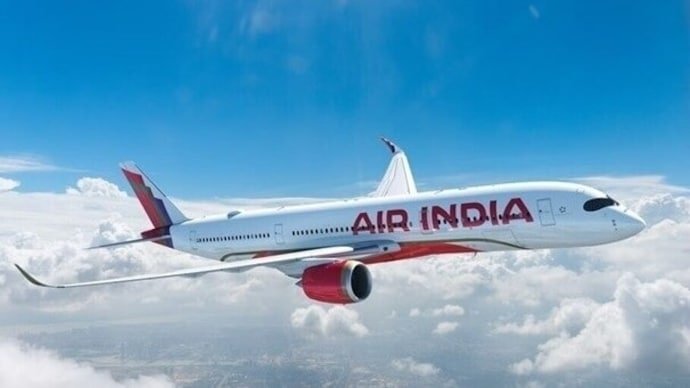
Air India Flight AI2379 landed safely in Delhi after encountering severe turbulence during its journey from Phuket. The incident injured several passengers and cabin crew members, prompted medical examinations after landing, and has triggered an Investigation by India’s aviation regulator.
An Air India flight travelling from Phuket, Thailand, to New Delhi experienced a significant turbulence event on Tuesday that caused the aircraft to briefly lose around 300 feet in altitude during cruise. The unexpected jolt left multiple passengers and crew members injured, although the aircraft completed its journey safely and landed in the national capital without further incident.
Flight AI2379, operated by an Airbus A320, became the focus of an investigation after the Directorate General of Civil Aviation (DGCA) began examining the circumstances surrounding the mid-air turbulence. While initial reports suggested a sharp altitude change and injuries to people onboard, Air India stated that there were no reports of serious injuries and that affected passengers and crew received immediate medical attention after landing.
What Happened on Air India Flight AI2379?
According to Air India, Flight AI2379 encountered what it described as a “brief in-flight turbulence-related event during cruise,” resulting in a momentary change in altitude. Flight-tracking data from Flightradar24 also showed a brief loss of altitude during the journey, consistent with the airline’s description of the incident.
Despite the sudden movement, the aircraft continued its scheduled flight and landed safely at Delhi’s airport. Once the aircraft arrived, passengers and crew disembarked normally while airport medical teams attended to those WHO required evaluation.
Air India said a small number of passengers and crew members with minor injuries were taken to a medical facility at the airport as a precaution.
Passengers and Crew Injured During the Turbulence
Sources indicated that 12 passengers sustained injuries during the turbulence. In addition, two cabin crew members were reportedly hurt while carrying out their duties during the incident.
According to the sources, one cabin crew member suffered injuries described as severe and was shifted to a hospital, while another crew member also required medical attention.
Air India, however, maintained that no serious injuries had been reported and referred only to a small number of passengers and crew requiring precautionary medical assessment.
The difference between unofficial source-based injury figures and the airline’s official statement highlights that the full medical assessment was still underway following the aircraft’s arrival.
Air India’s Official Response
Following the incident, Air India issued a statement confirming the turbulence event and outlining the assistance being provided to those onboard.
“A small number of passengers and crew members with minor injuries requiring medical assessment have been taken to a medical facility at the airport for precautionary examination and care by Air India’s airport team and medical personnel.”
The airline also emphasized that passenger and crew safety remains its highest priority and said it is fully cooperating with the relevant authorities investigating the incident.
“The safety and well-being of our passengers and crew remain Air India’s highest priority. We are providing all necessary support to those affected and are cooperating fully with the relevant authorities as part of the investigation.”
DGCA Launches Investigation
India’s aviation regulator, the Directorate General of Civil Aviation (DGCA), has begun investigating the incident.
According to sources, investigators are examining whether the turbulence alone caused the altitude change or whether any technical issue may also have contributed. At this stage, no official findings have been announced, and the investigation remains ongoing.
Such investigations typically involve reviewing cockpit voice recordings, flight data, weather information, aircraft systems, and crew reports before any conclusions are reached.
What Passengers Experienced During the Flight
A passenger who spoke to News agency ANI described a frightening sequence of events that unfolded roughly an hour and a half after take-off, when many people onboard were asleep.
According to the passenger, the aircraft suddenly dropped and swayed violently for approximately two to three minutes, causing panic inside the cabin and leaving several people injured.
The passenger claimed that between 15 and 20 people were hurt and said legal action would be pursued against Air India. However, Air India has not confirmed that figure, stating only that a small number of passengers and crew required medical examination.
The differing injury estimates are likely to become clearer as investigators complete their assessment and official reports are finalized.
Cabin Footage Circulates on Social Media
Videos circulating on Social Media, purportedly recorded inside the aircraft after the turbulence, appeared to show visible damage to sections of the cabin ceiling.
While the footage attracted widespread attention online, its authenticity and the full extent of the reported damage have not been independently confirmed in official statements.
Investigators are expected to examine the aircraft as part of the DGCA inquiry to determine whether any structural or interior damage occurred during the turbulence event.
Understanding Severe Turbulence
Turbulence is a common feature of air travel and is caused by changes in airflow around an aircraft. Most turbulence is mild and lasts only a short time. However, severe turbulence can produce abrupt changes in altitude or aircraft attitude, making it difficult for passengers and crew to maintain their balance.
Cabin crew members are particularly vulnerable during unexpected turbulence because they are often standing or moving through the cabin while assisting passengers. Likewise, passengers who are not wearing seat belts may face a greater risk of injury if the aircraft suddenly drops or experiences violent movement.
Although a brief altitude change may sound alarming, modern commercial aircraft are designed to withstand turbulence well beyond the levels typically encountered during normal operations.
Why Flight Tracking Data Matters
Data published by Flightradar24 indicated that the Airbus A320 operating Flight AI2379 experienced a brief loss in altitude during the journey.
Flight-tracking information can help corroborate changes in an aircraft’s flight profile, but it does not by itself explain the cause of an incident. Investigators rely on the aircraft’s flight data recorder, cockpit voice recorder, maintenance records, weather information, and crew reports to determine what actually occurred.
As a result, the flight-tracking data provides useful context but should not be viewed as a substitute for the official investigation.
Comparison With Previous Turbulence Incidents
The latest incident comes more than a year after an IndiGo flight travelling from Delhi to Srinagar encountered severe turbulence caused by a hailstorm while approaching Srinagar Airport.
During that event, the aircraft’s nose cone was damaged after being struck by hail. Videos recorded inside the cabin showed intense shaking while frightened passengers could be heard praying as the aircraft flew through the storm.
Although both incidents involved severe turbulence, the available information indicates that the circumstances were different. The earlier IndiGo event occurred during adverse weather associated with a hailstorm, while investigators are still determining the precise factors behind the turbulence experienced by Air India Flight AI2379.
| Incident | Air India AI2379 | Previous IndiGo Flight |
|---|---|---|
| Route | Phuket to Delhi | Delhi to Srinagar |
| Aircraft | Airbus A320 | Not specified in the source |
| Nature of Event | Severe turbulence with brief altitude loss | Hailstorm-induced turbulence |
| Outcome | Aircraft landed safely in Delhi | Aircraft landed safely despite damage |
| Investigation | DGCA inquiry underway | Incident investigated after landing |
Why the Incident Matters
Although commercial aviation remains one of the safest forms of transport, incidents involving severe turbulence continue to receive close attention because they can lead to injuries even when an aircraft itself remains fully airworthy.
This event also highlights the importance of following cabin safety instructions, particularly keeping seat belts fastened whenever passengers are seated. Unexpected turbulence can occur with little or no warning, including while an aircraft is cruising at high altitude.
For airlines, incidents of this Nature typically prompt detailed operational reviews, including an examination of weather information, flight planning, cockpit procedures, and cabin safety measures.
What Happens Next?
The next stage will depend on the findings of the DGCA investigation.
Investigators are expected to review flight recorder data, aircraft systems, meteorological information, and crew reports to establish the sequence of events that led to the sudden altitude change. If the inquiry identifies any operational or technical issues, appropriate recommendations or corrective actions could follow.
At the same time, Air India is continuing to assist the affected passengers and crew members while cooperating with the regulator’s investigation.
Timeline of the Incident
| Event | Development |
|---|---|
| August 4, 2026 | Air India Flight AI2379 departs Phuket for Delhi. |
| During cruise | The aircraft encounters severe turbulence and briefly loses around 300 feet in altitude. |
| Following the turbulence | Passengers and cabin crew sustain injuries during the sudden movement. |
| After landing in Delhi | The aircraft lands safely and injured passengers and crew receive medical evaluation. |
| Later the same day | DGCA begins investigating the turbulence incident while Air India issues an official statement. |
The Bottom Line
Air India Flight AI2379 completed its journey safely despite a severe turbulence event that briefly caused the aircraft to lose approximately 300 feet in altitude and injured several passengers and crew members. While the airline has stated that no serious injuries have been reported, the incident has prompted a formal DGCA investigation to determine exactly what happened.
Until that investigation is completed, the precise cause of the turbulence and whether any additional factors contributed remain matters for the aviation authorities to determine. The findings will likely provide greater clarity on one of the most significant in-flight turbulence incidents involving an Air India service in recent months.
For breaking news and live news updates, like us on Facebook or follow us on Twitter and Instagram. Read more on Latest India on thefoxdaily.com.






COMMENTS 0