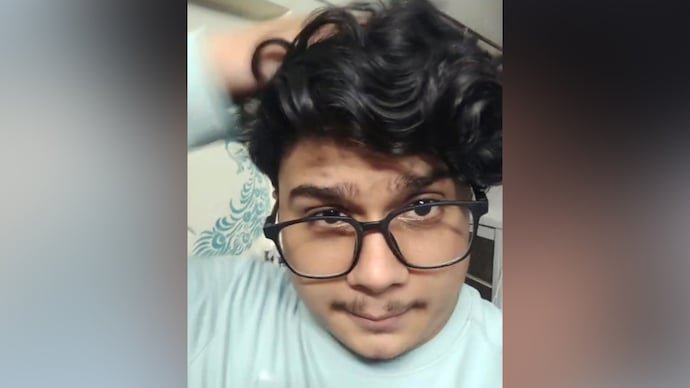
The death of a young medical aspirant preparing for the National Eligibility-cum-Entrance Test (NEET-UG) has once again drawn attention to the immense psychological burden carried by students pursuing medical education in India. The 22-year-old student from Ghaziabad reportedly died by suicide two days before the scheduled re-examination, leaving behind a video message in which he spoke about exhaustion from repeated attempts to clear one of the country’s toughest entrance examinations.
The tragedy comes at a time when the NEET examination system is already under intense public scrutiny following controversies surrounding exam cancellations, alleged irregularities, and growing concerns about student stress. While investigations into the incident continue, the case highlights a larger issue that extends far beyond a single examination cycle: the enormous pressure created by India’s highly competitive entrance examination ecosystem.
For policymakers, educators, parents, and students, the incident serves as a painful reminder that academic success and mental well-being must be treated as equally important priorities.
What Happened in the Ghaziabad Case?
According to police officials, the 22-year-old aspirant had been preparing for NEET for several years and had reportedly been unable to secure the qualifying score needed for admission into a medical college despite multiple attempts.
Family members stated that he entered his study room on Thursday night. The following morning, when he did not respond, relatives checked the room and discovered him.
Police and forensic teams subsequently arrived at the residence and began an Investigation.
Authorities reportedly recovered a video from the student’s mobile phone in which he spoke about feeling exhausted by the cycle of preparation and examinations.
Officials are examining the contents of the video and recording statements from family members as part of the ongoing inquiry.
A Separate Incident Raises Additional Concerns
The Ghaziabad case was followed by another tragic incident involving a NEET aspirant in Madhya Pradesh.
A 21-year-old student preparing for the same examination died after falling from a residential building in Indore under circumstances currently being investigated by authorities.
Police are reviewing evidence including:
- CCTV footage.
- Mobile phone records.
- Witness statements.
- Other forensic evidence.
While investigators have not reached a final conclusion in that case, the occurrence of two incidents involving NEET aspirants within a short period has intensified public discussion around examination-related stress.
Why NEET Is One of India’s Most Competitive Examinations
NEET serves as the gateway to undergraduate medical education across India.
Every year, millions of students compete for admission into medical colleges, but only a fraction ultimately secure seats.
The examination’s significance stems from several factors:
- Medicine remains one of India’s most prestigious professions.
- Government medical college seats are limited.
- Private medical education is often expensive.
- Competition increases each year.
- Many students spend years preparing exclusively for the exam.
For countless families, NEET represents not just an examination but a life-changing opportunity.
That expectation often creates immense pressure on aspirants.
The Reality of Multiple Attempts
One aspect frequently overlooked in discussions about entrance examinations is the emotional impact of repeated attempts.
Many students spend several years preparing for NEET after completing school.
During this period, they may:
- Delay college admissions elsewhere.
- Take gap years.
- Enroll in coaching programs.
- Face social expectations.
- Experience uncertainty about their future.
Each unsuccessful attempt can make the next examination emotionally more significant, increasing stress levels and feelings of pressure.
The Growing Mental Health Challenge Among Competitive Exam Aspirants
Mental health experts have increasingly warned about the psychological burden associated with high-stakes examinations.
Common challenges reported among aspirants include:
- Performance anxiety.
- Sleep disturbances.
- Burnout.
- Social isolation.
- Fear of failure.
- Loss of self-confidence.
These pressures can become especially intense when students tie their entire identity and future aspirations to a single examination outcome.
While ambition can be motivating, excessive pressure can become harmful when adequate emotional support systems are absent.
How Exam Delays and Controversies Add Stress
The recent examination cycle has been particularly challenging for students.
Questions surrounding exam administration, allegations of irregularities, and subsequent decisions regarding re-examinations have created uncertainty for many candidates.
When examination schedules change unexpectedly, students often face:
- Extended preparation periods.
- Emotional fatigue.
- Difficulty maintaining motivation.
- Increased anxiety.
- Disruption of personal plans.
Even highly resilient students may find prolonged uncertainty mentally exhausting.
The Numbers Behind Medical Aspirations in India
India’s demand for medical education continues to grow rapidly.
Every year:
- Millions of students register for NEET.
- Competition for government medical seats remains intense.
- Cut-off scores often remain exceptionally high.
- Only a small percentage secure admission into top institutions.
This gap between aspiration and available opportunities contributes significantly to the pressure experienced by candidates.
Comparison: Healthy Preparation vs Excessive Academic Pressure
| Healthy Exam Preparation | Excessive Academic Pressure |
|---|---|
| Balanced study schedule | Constant study without breaks |
| Multiple career options | Single-definition of success |
| Strong social support | Isolation and withdrawal |
| Realistic expectations | Fear of disappointing others |
| Focus on learning | Focus solely on results |
Why Failure in an Exam Should Not Define a Life
One of the most important lessons emerging from such incidents is that examination results represent only one aspect of an individual’s journey.
Many successful professionals, entrepreneurs, scientists, civil servants, and innovators have experienced academic setbacks at various stages of their lives.
Career paths today are more diverse than ever before.
Students WHO do not achieve a desired outcome in one examination still have opportunities in:
- Healthcare sciences.
- Biotechnology.
- Nursing.
- Research.
- Pharmacy.
- Allied medical professions.
- Numerous other fields.
Recognizing these alternatives can help reduce the perception that a single exam determines an entire future.
An Overlooked Insight: The Pressure Often Extends Beyond Students
Public discussions frequently focus on students, but examination pressure often affects entire families.
Parents invest substantial emotional, financial, and personal resources into their children’s preparation.
This shared investment can unintentionally create additional expectations.
Many students report feeling pressure not only to succeed for themselves but also to justify sacrifices made by their families.
Addressing examination stress therefore requires a broader conversation involving parents, educators, institutions, and policymakers.
What Educational Institutions Can Do
Experts increasingly recommend integrating mental health support into competitive examination preparation.
Possible measures include:
- Professional counseling services.
- Mental wellness workshops.
- Stress management programs.
- Peer support networks.
- Early intervention systems.
Educational institutions and coaching centers are increasingly recognizing that emotional resilience is as important as academic preparation.
The Role of Society in Changing Success Narratives
Indian society has traditionally celebrated academic achievement, particularly in fields such as medicine and engineering.
While educational excellence deserves recognition, experts argue that broader definitions of success are equally important.
Students should feel valued for:
- Effort.
- Growth.
- Character.
- Skills.
- Creativity.
- Contribution to society.
Reducing stigma around academic setbacks may help create a healthier environment for future generations.
Warning Signs That Should Never Be Ignored
Mental health professionals often advise families and educators to pay attention to signs that may indicate severe emotional distress.
These may include:
- Withdrawal from social interaction.
- Persistent hopelessness.
- Sudden behavioral changes.
- Expressions of worthlessness.
- Extreme anxiety about examinations.
- Loss of interest in daily activities.
Early support and professional intervention can make a significant difference.
Future Outlook
The tragedy is likely to intensify ongoing discussions about student mental health, examination reforms, and support systems for competitive exam aspirants. Policymakers, educators, and mental health experts may face increasing calls to address not only examination integrity but also the emotional well-being of students navigating highly competitive academic environments.
As India’s Education System continues to evolve, balancing academic excellence with mental wellness will remain one of its most important challenges.
Conclusion
The death of a young NEET aspirant shortly before a major examination is a heartbreaking reminder of the immense pressures many students face while pursuing their dreams. While investigations will determine the specific circumstances of the case, the broader issues it highlights are clear.
Competitive examinations can open doors to extraordinary opportunities, but they should never become measures of personal worth. Academic success is important, yet mental health, emotional resilience, and human well-being are equally essential.
As India continues striving for educational excellence, creating an environment where students can pursue ambitious goals without sacrificing their psychological well-being may be one of the most meaningful reforms of all.
For breaking news and live news updates, like us on Facebook or follow us on Twitter and Instagram. Read more on Latest India on thefoxdaily.com.






COMMENTS 0