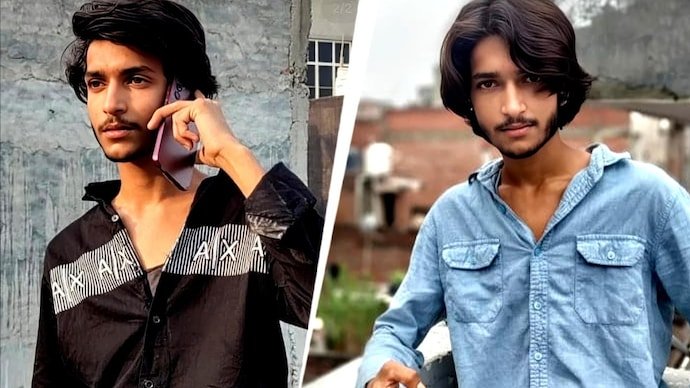
The murder of 17-year-old Surya Pratap Chauhan in Ghaziabad’s Khoda area has taken a dramatic turn after the main accused, Asad, was killed in a police encounter during an operation aimed at capturing him. The development comes just days after the teenager was allegedly stabbed multiple times following a dispute, sparking public anger and demands for swift justice.
Police have also arrested three additional accused, including Asad’s father, as investigators continue to piece together the circumstances that led to the brutal killing. The case has generated intense public interest not only because of the violent nature of the Crime but also due to the questions it raises about youth crime, group violence, and preventive policing.
What Happened in the Ghaziabad Teen Murder Case?
The incident occurred on May 28 in the Khoda area of Ghaziabad when Surya Pratap Chauhan was allegedly attacked with knives by a group of individuals following an argument.
According to investigators, the dispute escalated into a deadly confrontation that resulted in the teenager sustaining multiple stab wounds. Despite attempting to escape, Surya reportedly collapsed on the road after being chased and attacked repeatedly.
The incident shocked residents of the area and quickly became a major law-and-order issue, leading to Protests and calls for immediate arrests.
Police identified Asad as the primary accused and launched an extensive search operation after he fled the area following the attack.
How the Police Encounter Unfolded
According to officials, Law Enforcement agencies received intelligence inputs suggesting that Asad was attempting to flee after arranging financial assistance from associates.
Based on this information, multiple police teams established checkpoints and intensified surveillance operations in strategic locations.
During the late-night operation, police attempted to intercept the suspect.
Officials stated that Asad allegedly opened fire on the police team, leading to an exchange of gunfire.
During the encounter:
- Police personnel attempted to stop the suspect
- The accused allegedly fired at officers
- Police returned fire
- Asad sustained critical injuries
- A police officer was also injured
- The accused was later declared dead at a hospital
Authorities reported recovering a firearm and a motorcycle from the encounter site.
The Arrests That Followed
While the encounter dominated headlines, investigators simultaneously expanded their probe into the broader conspiracy behind the attack.
Three additional individuals were arrested, including:
- Nawab
- Farhan
- Atif
One of the most significant developments was the arrest of Nawab, who is reportedly the father of the deceased main accused.
Investigators believe the murder may have involved planning and active participation by multiple individuals rather than being a spontaneous act of violence.
The Alleged Motive Behind the Attack
According to information emerging from the investigation, tensions between Surya and Asad may have existed before the fatal incident.
Family members stated that both individuals were acquainted and belonged to the same social circle.
Reports suggest that an earlier dispute may have contributed to deteriorating relations between the two.
Investigators are examining whether the argument on May 28 was merely the trigger for a Conflict that had been building over time.
Such cases often reveal a pattern where unresolved personal disputes escalate due to peer pressure, group involvement, or retaliatory behavior.
The Family’s Version of Events
The victim’s family has provided a disturbing account of the events leading up to the murder.
According to family members, Surya received a call inviting him to join a gathering. Initially reluctant to attend, he eventually agreed after repeated requests.
Relatives allege that the invitation was used to lure him to the location where the attack occurred.
The family further claims that multiple individuals armed with knives participated in the assault.
One particularly troubling allegation is that Surya attempted to flee and ran a considerable distance before being caught and attacked again.
If confirmed through investigation, these details could significantly influence the legal proceedings against the surviving accused.
Public Reaction and Community Response
The killing triggered strong reactions across Ghaziabad.
Residents, community groups, and various organizations organized demonstrations demanding swift action against all individuals involved in the crime.
The public response reflects a growing concern about violent crimes involving teenagers and young adults.
Cases involving youth violence often generate particularly intense reactions because they involve individuals at the beginning of their lives, making the loss especially painful for families and communities.
The Growing Challenge of Youth Violence in India
Beyond the immediate criminal investigation, the Ghaziabad case highlights a broader social issue.
Across urban and semi-urban regions, law enforcement agencies increasingly encounter cases where minor disputes escalate into serious violence.
Several factors can contribute to such incidents:
- Peer group influence
- Social media-fueled conflicts
- Lack of conflict resolution mechanisms
- Easy access to weapons
- Escalating personal rivalries
- Community tensions
Experts often emphasize that early intervention and community engagement are crucial for preventing disputes from turning deadly.
Police Response and Investigation Strategy
The speed of the police response became a major factor in the case.
Following the murder, authorities:
- Registered a criminal case
- Formed multiple investigation teams
- Conducted raids across various locations
- Announced a cash reward for information
- Used intelligence-based tracking methods
- Arrested several suspects within days
The use of multiple specialized teams demonstrates how modern investigations increasingly rely on coordinated operations rather than traditional policing methods alone.
Understanding Police Encounters in India
The death of the main accused during a police encounter is likely to generate discussions about the role of encounters in India‘s criminal justice system.
Police encounters typically occur when officers claim they were forced to respond to armed resistance during an arrest operation.
Supporters argue that encounters occur in dangerous situations involving armed suspects and help prevent further crimes.
Critics, however, often emphasize the importance of independent investigations and adherence to legal procedures whenever lethal force is used.
As a result, encounter cases frequently attract close scrutiny from judicial authorities, human rights organizations, and the public.
A Comparison: Traditional Gang Violence vs Modern Group Crimes
| Traditional Criminal Gangs | Modern Group Violence Cases |
|---|---|
| Organized criminal structures | Informal social groups |
| Long-term criminal operations | Often triggered by personal disputes |
| Financial motives | Personal revenge or conflict |
| Professional criminal networks | Friends or acquaintances involved |
| Planned criminal activity | Rapid escalation of disputes |
The Ghaziabad case appears to fit a pattern increasingly observed in urban areas where personal disagreements escalate into coordinated acts of violence involving multiple participants.
A Missing Angle: The Importance of Early Conflict Intervention
One aspect often overlooked after such crimes is the possibility of prevention.
Many violent incidents involving young people do not emerge suddenly. They are often preceded by arguments, threats, rivalries, or previous confrontations.
Schools, families, community leaders, and local authorities can play important roles in identifying and addressing conflicts before they escalate.
Programs focused on conflict resolution, counseling, and community engagement have shown success in reducing youth-related violence in various regions around the world.
The Ghaziabad tragedy serves as a reminder that intervention before violence occurs is often more effective than punishment afterward.
Legal Proceedings Against the Remaining Accused
With the main accused dead, the focus of the investigation is now shifting toward the remaining individuals allegedly involved in the conspiracy and execution of the crime.
Investigators will likely examine:
- The planning of the attack
- The roles of each accused
- Whether weapons were supplied deliberately
- Evidence from witness statements
- Digital communications
- Forensic findings
Prosecutors will attempt to establish individual responsibility for each surviving accused as the case moves through the judicial process.
Future Outlook
The Ghaziabad teen murder case is expected to remain under public scrutiny as legal proceedings continue against the remaining accused. Authorities are likely to intensify efforts to address youth-related violent crimes and improve intelligence gathering to prevent similar incidents.
The outcome of the investigation and subsequent court proceedings may also influence discussions about criminal accountability, policing strategies, and community-based violence prevention measures. Public attention will remain focused on whether justice is delivered comprehensively and transparently.
Conclusion
The murder of Surya Pratap Chauhan and the subsequent police encounter involving the main accused have transformed a local criminal case into a broader conversation about youth violence, law enforcement, and public safety. While the death of the primary suspect marks a significant development in the investigation, the legal process is far from over.
As authorities continue pursuing accountability for all those allegedly involved, the tragedy underscores the devastating consequences of escalating personal disputes into acts of extreme violence. For Ghaziabad and communities across India, the case serves as both a warning and a call for stronger efforts to prevent such incidents before they occur.
For breaking news and live news updates, like us on Facebook or follow us on Twitter and Instagram. Read more on Latest India on thefoxdaily.com.






COMMENTS 0