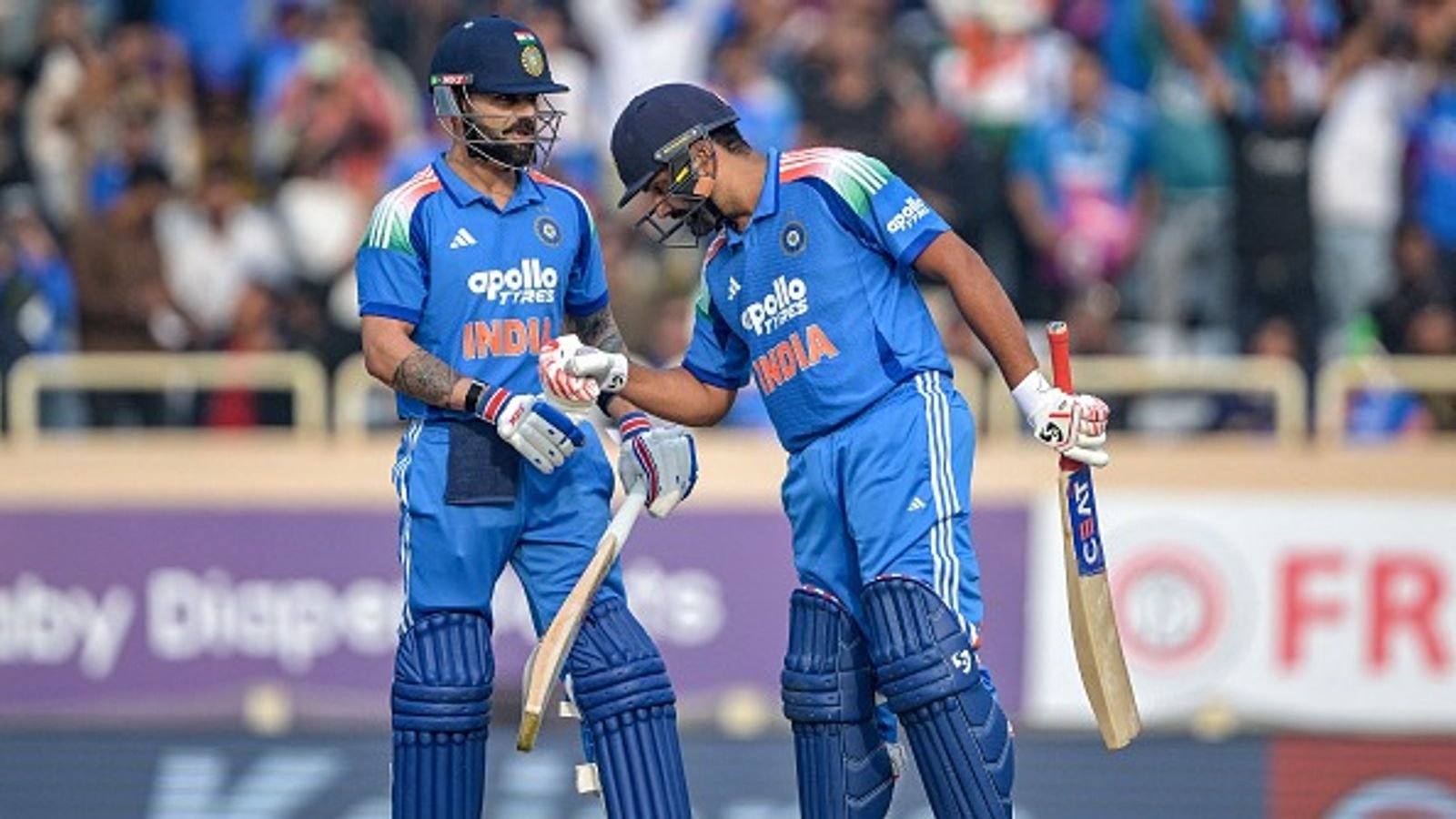
The BCCI is considering match availability as a possible new criterion for Indian cricketers’ central contracts, according to a top board source familiar with the development. The proposal is still at a preliminary stage, but it could bring a significant change to how players are assessed for annual contracts.
Under the idea being discussed, the Board of Control for Cricket in India could track how often players are available throughout the season before deciding who qualifies for a central contract. The proposed system could include a minimum number of matches or a percentage of matches that a player would need to be available for.
No final decision has been taken, and the BCCI has not formally introduced the proposed rule. The board is currently examining whether such a system would be practical and how the eligibility formula could work.
If implemented, the change could make player availability and fitness more important factors alongside performance when the BCCI reviews its central-contract list.
What Is the BCCI Considering?
The central-contract system currently provides Indian cricketers with an annual contractual arrangement based on factors including their importance and involvement with the national team. The new proposal would potentially add another measurable requirement: how frequently a player is available for selection and matches.
The exact threshold has not yet been decided. Discussions are reportedly focused on whether players should be required to be available for a particular number of matches or a specific percentage of the matches scheduled during a season.
For example, the board could eventually consider a player’s availability across India’s Test, ODI and T20I schedule, although the precise structure of any future formula remains unknown.
The important point is that no percentage or match number has been finalised. The BCCI is still working out whether the proposal can be implemented fairly and effectively.
Why Match Availability Is Being Discussed
The proposed change comes amid concerns about player availability, particularly after several India players have missed matches in recent months because of injuries.
From the board’s perspective, central contracts represent an investment in players who form an important part of India’s international setup. The thinking behind the proposal is that contracted players should ideally be fit and available for a significant portion of the team’s schedule.
However, international cricket involves a demanding calendar, and injuries are not always predictable. This makes the proposed system complicated because the BCCI would have to distinguish between unavoidable injury absences and situations where a player is unavailable for other reasons.
That distinction could become one of the most important issues if the board moves forward with the plan.
No Decision Has Been Taken Yet
The BCCI’s discussions remain at an early stage. A top source told Sports Tak that the idea is being discussed internally and that the board could monitor players’ availability throughout the season before making its annual contract decisions.
The source also made it clear that nothing has been formalised so far. The board will first assess the feasibility of the proposal before deciding whether it should become part of the central-contract process.
This means players should not currently assume that missing a particular number of matches will automatically affect their contract status. Until the BCCI officially approves a formula, the proposal remains under consideration.
How a Match-Availability Formula Could Work
Although the BCCI has not revealed a final model, there are several ways a match-availability criterion could theoretically be structured.
| Possible approach | How it could work | Potential challenge |
|---|---|---|
| Match threshold | Players must be available for a minimum number of matches | Different players have different schedules |
| Percentage threshold | Players must be available for a set percentage of eligible matches | Injuries could make the calculation complicated |
| Format-based system | Availability could be assessed separately for Tests, ODIs and T20Is | Players have different roles across formats |
| Season-wide assessment | Availability could be reviewed across the entire annual calendar | International schedules can change |
These are possible models rather than confirmed BCCI plans. The board is yet to establish the exact formula, according to the information currently available.
Injuries Could Be the Biggest Complication
The biggest challenge for the BCCI would likely be determining how injury-related absences should be treated.
A player can miss matches because of an injury sustained while representing India or during another cricket assignment. In such cases, reducing the player’s contract eligibility simply because of an absence could potentially create an unfair outcome.
On the other hand, the board wants players who are available to contribute regularly to the national team’s plans. Finding a balance between these two considerations would therefore be crucial.
A future system could potentially need separate categories for injury-forced absences and other forms of unavailability, but the BCCI has not announced any such mechanism.
Could Performance and Availability Be Linked?
If the proposal is eventually approved, match availability would likely become another factor in the overall assessment rather than necessarily replacing performance-based evaluation.
A player could still be highly valuable because of their performances, experience and role in the national team. At the same time, the board could place greater emphasis on whether that player is regularly available when India need them.
This would create a broader evaluation model in which performance, fitness and availability could all influence contract decisions.
The approach could be particularly relevant for players who occupy important positions but have frequently missed matches. However, exactly how such cases would be handled remains unknown.
What It Could Mean for India Players
If the BCCI introduces a minimum availability requirement, Indian players may have another reason to prioritise fitness and consistent participation in the national team’s schedule.
For established players, central contracts provide an important indication of their standing within Indian Cricket. A new availability criterion could therefore make contract discussions more closely connected to a player’s ability to remain fit and available.
For younger players, the change could also create a clearer incentive to maintain fitness while competing for regular selection. However, the impact would depend heavily on the final rules and exemptions.
It is too early to identify specific players who could gain or lose under the proposed system because the BCCI has not yet decided the eligibility threshold.
Why the Proposal Could Change Central Contracts
The introduction of a match-availability criterion would represent a notable shift in the way central contracts are viewed.
Traditionally, contracts can be seen primarily as recognition of a player’s importance and contribution to Indian cricket. A formal availability requirement would add a practical dimension: whether the player can consistently be part of the team’s plans during the season.
This could encourage a more data-driven approach to contract decisions. Instead of simply assessing a player’s reputation or past contribution, the BCCI could also examine how many matches the player was actually available for.
However, such a system would need to be carefully designed so that unavoidable circumstances do not unfairly influence a player’s contract status.
Central Contracts Could Put Greater Focus on Fitness
The possible rule also reflects the increasing importance of fitness management in modern cricket. India’s international schedule involves multiple formats, long tours and a large number of matches.
Managing workloads has therefore become an important part of keeping players fit for major assignments.
The BCCI has not said that the proposed availability rule would punish players for being injured. Instead, the current discussion is focused on whether overall availability should become a consideration when contracts are reviewed.
That distinction will be important if the board eventually formalises the proposal.
What Happens Next?
The BCCI is expected to continue discussing the idea before deciding whether to implement it. The board would first need to establish several details, including the definition of an eligible match, the required availability level and how injury-related absences would be considered.
It would also need to determine whether the same threshold should apply across all formats or whether players should be assessed according to their individual roles.
Until those questions are answered, the proposal cannot be treated as an official change to India’s central-contract rules.
Potential Benefits and Concerns
- Greater accountability: A formal availability measure could encourage players to remain consistently available when selected.
- Fitness focus: The system could reinforce the importance of physical preparation and workload management.
- Clearer evaluation: A measurable threshold could make one part of the contract assessment more transparent.
- Injury concerns: The BCCI would need safeguards so unavoidable injuries do not unfairly hurt players.
- Different player roles: Test specialists and white-ball players may require different approaches to availability.
The potential benefits therefore come with several practical questions. A simple percentage-based rule may appear straightforward, but international cricket does not give every player the same schedule or role.
The Road Ahead for BCCI Central Contracts
The proposed match-availability criterion could eventually become an important part of India’s central-contract structure, but the BCCI is not yet at that stage.
For now, the board is discussing the concept and assessing whether it can be applied effectively. The final decision will depend on the formula developed and how the BCCI chooses to treat factors such as injuries, workload management and format-specific roles.
If the idea becomes official, players could find that central contracts depend not only on how well they perform but also on how consistently they are available across a season.
Final Verdict
The BCCI is considering match availability as a possible criterion for India’s central contracts, but no decision has been finalised. The board is discussing whether players should meet a minimum number or percentage of available matches during a season.
The proposal comes amid concerns over player availability and injuries and could make fitness and participation more important in annual contract assessments.
However, the exact formula, threshold and treatment of injury-related absences remain undecided. For now, the proposal is only under discussion, and the BCCI will assess its feasibility before making any formal change.
If implemented carefully, the system could bring greater structure to central-contract decisions. But its success would depend on creating rules that reward consistent availability without unfairly penalising players for circumstances beyond their control.
For breaking news and live news updates, like us on Facebook or follow us on Twitter and Instagram. Read more on Latest Cricket on thefoxdaily.com.






COMMENTS 0