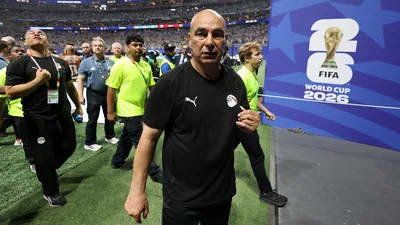
The FIFA World Cup 2026 has delivered dramatic comebacks, unforgettable goals, and emotional storylines. Yet few matches have generated as much controversy as Argentina’s dramatic 3-2 victory over Egypt in the Round of 16.
What initially appeared to be a thrilling Football comeback has evolved into a wider debate about VAR consistency, refereeing standards, tournament transparency, and the emotional fallout that follows high-stakes decisions.
The latest development came when a video circulated across social media showing Egypt head coach Hossam Hassan appearing to angrily confront Argentina manager Lionel Scaloni in the tunnel following the match. Scaloni, meanwhile, appeared to ignore the confrontation and continued walking toward the dressing room.
While the incident itself did not directly affect the result, the footage has become symbolic of the frustration felt within the Egyptian camp after a match that continues to dominate headlines long after the final whistle.
The viral video has also renewed focus on broader questions surrounding VAR intervention and consistency at the 2026 FIFA World Cup.
Why Argentina vs Egypt Became One of the Tournament’s Biggest Talking Points
Football matches are often remembered for goals and tactical battles. This match may ultimately be remembered for controversy.
Argentina entered the knockout fixture as one of the favorites to defend its World Cup title. However, Egypt produced one of its finest performances of the tournament and appeared on course for a historic upset.
At one stage, Egypt led 2-0 and looked fully in control.
Argentina seemed vulnerable, frustrated, and dangerously close to elimination.
Then everything changed.
A late Argentine resurgence transformed the game, with three goals in the closing stages securing a dramatic comeback victory.
Normally, such a turnaround would dominate post-match discussions.
Instead, officiating decisions became the primary focus.
The Disallowed Goal That Changed the Match
The biggest flashpoint arrived during the second half when Egypt believed they had extended their advantage.
A fast counterattack ended with the ball finding the back of the net, seemingly placing Egypt in an almost unassailable position.
Celebrations were short-lived.
Following a VAR review, officials identified a foul during the build-up phase and disallowed the goal.
The incident immediately became one of the most debated moments of the World Cup.
Supporters, analysts, and former players offered differing interpretations regarding whether the foul justified overturning a goal scored much later in the attacking sequence.
Although VAR was applied according to the referee’s interpretation of the laws, the decision triggered intense reactions from Egypt’s players and coaching staff.
The Penalty Appeal That Increased Frustration
Egypt’s anger did not end with the disallowed goal.
Another controversial moment arrived late in the match.
As Argentina searched for a winner and Egypt fought to survive, Egyptian players appealed for a penalty after Mohamed Salah went down inside the box following contact.
No penalty was awarded.
Equally significant in the eyes of Egyptian officials was the perception that the incident did not receive the same level of scrutiny as the earlier disallowed goal.
Moments later, Argentina launched another attack and eventually scored the decisive winner.
The timing amplified emotions and intensified criticism.
For many Egyptian supporters, the sequence became the defining image of the match.
The Viral Tunnel Video Explained
The newly surfaced footage offers a rare glimpse into the emotional atmosphere after the match.
In the video, members of Egypt’s coaching staff appear visibly upset while interacting with officials.
As Lionel Scaloni walks through the tunnel area, Hossam Hassan can be seen directing animated comments toward the Argentina coach.
Scaloni’s response was notably restrained.
Rather than engaging, he continued walking without escalating the situation.
That contrast between visible frustration and calm indifference quickly attracted attention online.
The footage spread rapidly because it captured the raw emotions surrounding a match that many already considered controversial.
Why Emotions Run High After Major VAR Decisions
Football managers spend months preparing for major tournaments.
World Cup opportunities are rare.
For many players and coaches, a single match can define an entire cycle of preparation.
When controversial decisions influence the outcome, emotional reactions are almost inevitable.
Several factors contribute to these intense responses:
- National pride.
- Tournament pressure.
- Career-defining stakes.
- Limited opportunities for redemption.
- Public scrutiny from millions of supporters.
In Egypt’s case, the sense of disappointment was magnified by the belief that the team had performed well enough to eliminate the defending champions.
Egypt’s Official Complaint to FIFA
The controversy moved beyond emotional reactions when the Egyptian Football Association formally submitted a complaint to FIFA.
According to reports, the federation requested a review of key officiating decisions and sought clarification regarding the application of VAR during critical moments.
The complaint reportedly focused on three major concerns:
- The disallowed Egyptian goal.
- The non-awarded penalty appeal.
- Consistency in VAR intervention.
Such complaints are not unusual following controversial international matches.
However, they rarely result in changes to completed match results.
Instead, they typically serve to encourage internal reviews and discussions regarding officiating procedures.
Understanding FIFA’s Position on VAR
VAR was introduced to reduce clear and obvious errors, not eliminate controversy entirely.
This distinction is important.
Even with multiple camera angles and video reviews, football still contains subjective elements.
Officials must interpret:
- Physical contact.
- Intent.
- Advantage.
- Foul severity.
- Game context.
As a result, two experienced referees may occasionally reach different conclusions when reviewing identical incidents.
This reality explains why VAR remains both influential and controversial.
The Broader Debate About Consistency
The biggest issue emerging from the Egypt-Argentina match is not necessarily whether individual decisions were correct or incorrect.
The larger debate centers on consistency.
Football supporters generally accept difficult decisions when they believe the same standards are being applied equally throughout a match.
Problems emerge when fans perceive differences in how incidents are reviewed.
That perception has become a recurring theme throughout discussions surrounding this World Cup.
For governing bodies, maintaining confidence in consistency may be just as important as the decisions themselves.
How Social Media Amplifies Modern Football Controversies
Twenty years ago, controversial moments were debated primarily through television broadcasts and newspaper columns.
Today, social media transforms every incident into a global conversation within minutes.
The tunnel footage demonstrates this perfectly.
Without social platforms, the confrontation might have remained a minor detail.
Instead, it became a worldwide discussion point almost instantly.
Modern football operates in an environment where:
- Every camera angle becomes available immediately.
- Clips spread globally within minutes.
- Fans analyze decisions frame by frame.
- Narratives evolve rapidly.
- Controversies remain visible for days or weeks.
This environment places unprecedented pressure on players, coaches, and referees.
Argentina’s Perspective: A Historic Comeback Overshadowed
Lost amid the controversy is the football achievement itself.
Argentina produced one of the most dramatic recoveries of the tournament.
Overcoming a two-goal deficit against an organized opponent in a World Cup knockout match requires extraordinary composure and belief.
Lionel Messi played a central role in the comeback, helping shift momentum when elimination appeared imminent.
From Argentina’s perspective, the focus remains on resilience, character, and survival.
Yet the continuing officiating debate has inevitably overshadowed aspects of that achievement.
What FIFA Can Learn From This Controversy
Regardless of individual opinions about the decisions, the match highlights several areas where football’s governing bodies may seek improvement.
| Issue | Potential Improvement |
|---|---|
| VAR Transparency | More detailed explanations of reviews |
| Communication | Public clarification of key decisions |
| Consistency | Standardized review protocols |
| Fan Understanding | Greater educational content on VAR laws |
Many sports have increased transparency around officiating decisions, and football continues exploring ways to improve public understanding.
What Happens Next?
Argentina has already moved on to the quarter-finals, where the team remains focused on its pursuit of another World Cup title.
Egypt, meanwhile, faces a different challenge: processing a painful elimination while seeking answers regarding the match’s most controversial moments.
FIFA will likely review the complaint through its standard procedures, although historical precedent suggests the match result itself is unlikely to change.
The debate, however, may continue long after the tournament concludes.
Conclusion
The viral tunnel confrontation between Hossam Hassan and Lionel Scaloni has added another layer to what has become one of the most controversial matches of the FIFA World Cup 2026. While the footage itself does not alter the outcome, it reflects the intense emotions generated by disputed VAR decisions and a dramatic knockout-stage defeat.
At the heart of the controversy lies a broader discussion about consistency, transparency, and trust in modern football officiating. Egypt’s official complaint to FIFA ensures that the debate will remain part of the tournament narrative, while Argentina continues its pursuit of World Cup glory.
Whether remembered for Argentina’s remarkable comeback or the refereeing controversies that followed, the Egypt-Argentina clash has already secured its place as one of the defining stories of the 2026 World Cup.
For breaking news and live news updates, like us on Facebook or follow us on Twitter and Instagram. Read more on Latest Sports on thefoxdaily.com.






COMMENTS 0