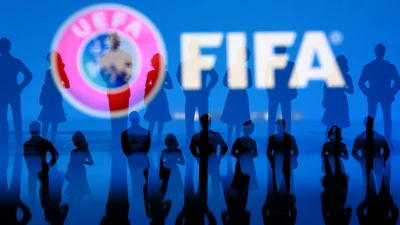
The FIFA investment plan has emerged as one of the most significant stories in global football, with UEFA leading strong opposition to FIFA President Gianni Infantino’s proposal to create a commercial subsidiary that would allow private investors to purchase a minority stake in FIFA’s tournament business. While FIFA believes the move could unlock billions of dollars for football development worldwide, critics argue it risks changing the very nature of international football.
The debate is no longer simply about investment—it has become a struggle over governance, transparency, and who ultimately controls the world’s biggest sporting competition. If the disagreement escalates into a full boycott, it could reshape the future of the FIFA World Cup and international football for years to come.
What Is FIFA’s Investment Plan?
FIFA wants to separate the commercial operations of its tournaments—including broadcasting rights, sponsorships, licensing, hospitality, and media rights—into a dedicated commercial company. The new business would then sell a minority stake to outside investors while FIFA retains majority control.
The governing body believes this strategy could generate billions in fresh capital, allowing greater financial support for its 211 member associations and accelerating football development across emerging nations.
According to FIFA, the proposal is designed to create long-term financial sustainability rather than simply generate immediate profits.
Why UEFA Is Strongly Opposed
UEFA believes football’s biggest tournaments should never become investment products. European football officials argue that allowing private investors into the commercial structure could create pressure to prioritize financial returns over sporting integrity.
The confederation also criticized the speed of the proposal and questioned whether sufficient consultation had taken place before asking member associations to make such a historic decision.
For UEFA, the issue extends beyond money. It concerns maintaining football’s traditional governance model, where sporting decisions remain independent from investor expectations.
| Issue | UEFA’s Concern |
|---|---|
| Private Investment | Commercial interests may influence football decisions. |
| Governance | Insufficient consultation before introducing the proposal. |
| Tournament Integrity | Risk of prioritizing profits over sporting values. |
| Long-Term Control | Potential reduction in football’s independence. |
Why Europe Holds Enormous Influence
Europe remains football’s biggest commercial market. Many of the world’s highest-ranked national teams, largest television audiences, richest clubs, and most valuable football brands are based within UEFA.
If European nations refuse to participate in FIFA competitions, broadcasters, sponsors, and commercial partners could reconsider the value of major tournaments. A World Cup without several traditional football powers would inevitably reduce global excitement and commercial appeal.
Growing International Resistance
Although UEFA has taken the strongest public position, concerns have spread across multiple football confederations. Several organizations have expressed reservations about governance, transparency, and the timeline for approving such a significant structural change.
This broader resistance demonstrates that the debate is not limited to Europe but reflects wider concerns about how international football should be managed in the future.
Why FIFA Believes the Proposal Makes Sense
FIFA argues that football must evolve financially to meet growing global demand. Expanding tournaments, improving infrastructure, investing in women’s football, and supporting developing football nations all require substantial long-term funding.
Supporters believe attracting outside investment could accelerate these goals without forcing member associations to contribute additional funding.
FIFA also points to similar commercial models adopted in other major sports leagues, arguing that private investment has helped increase revenues while maintaining sporting competition.
Potential Benefits of the Investment Model
- Higher development funding for smaller football associations.
- Improved youth academies and grassroots football programs.
- Greater investment in women’s football.
- Expansion of football infrastructure worldwide.
- More financial stability for future FIFA competitions.
Potential Risks Critics Highlight
- Growing influence of commercial investors.
- Pressure to maximize financial returns.
- Reduced independence in tournament decision-making.
- Possible conflicts between sporting values and business priorities.
- Loss of trust among football stakeholders.
Historical Context: Football Has Seen Governance Conflicts Before
This is not the first major disagreement between FIFA and UEFA. Previous disputes over tournament expansion, scheduling, and international calendars have highlighted ongoing tensions between the organizations. However, the current disagreement is arguably the most significant because it concerns ownership, governance, and the commercial future of football itself.
How Fans Could Be Affected
Supporters ultimately care about seeing the world’s best players compete on the biggest stage. Any prolonged conflict that results in major national teams missing FIFA tournaments would reduce competitive quality, television interest, sponsorship value, and overall fan engagement.
Beyond the World Cup, uncertainty surrounding governance could also affect tournament planning, qualification pathways, and future international calendars.
What Happens Next?
The coming months are likely to determine whether compromise remains possible. FIFA may seek further negotiations with continental confederations, revise parts of the proposal, or provide additional governance safeguards designed to reassure member associations.
Equally, UEFA and other confederations may continue pressing for broader consultation before any investment agreement moves forward.
Expert Insight: This Debate Is Bigger Than Money
While financial headlines dominate discussion, the underlying issue is governance. Modern sport increasingly relies on commercial partnerships, but football’s global popularity has always depended on sporting credibility and competitive fairness.
The challenge for FIFA is finding a model that attracts investment without undermining confidence among national associations, players, clubs, supporters, and commercial partners.
Conclusion
The FIFA investment plan represents one of the most consequential decisions in international football’s modern history. Supporters view it as an opportunity to unlock unprecedented funding for global development, while critics fear it could fundamentally change how football’s biggest competitions are governed.
Whether the proposal proceeds, is revised, or is ultimately abandoned, the debate has already exposed deep divisions within world football. The outcome will influence not only FIFA’s financial future but also the governance, integrity, and identity of the FIFA World Cup itself. As discussions continue, the football community will be watching closely, knowing that the decisions made today could shape the sport for generations.
For breaking news and live news updates, like us on Facebook or follow us on Twitter and Instagram. Read more on Latest Sports on thefoxdaily.com.





COMMENTS 0